
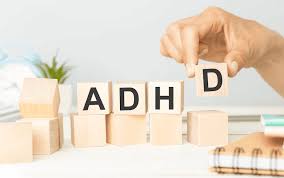
Finding Calm and Focus: How Craniosacral Therapy Supports People with ADHD
Living with ADHD can feel like your mind and body are always on the go. Thoughts race ahead, focus slips away, and it’s hard to find a moment of true calm. Medication and behavioral tools help many people, but some are also looking for a more natural way to settle the nervous system and feel grounded in daily life. That’s what I offer in my Worthington office, serving the Columbus area.
What Is Craniosacral Therapy?
Craniosacral therapy is a gentle, hands-on approach that works with the body’s deepest rhythms. Using a very light touch, I listen to subtle motions in the tissues and fluids around the brain and spinal cord, helping release tension and restore balance to the central nervous system. If you’d like the fuller picture, I explain it in How Does Craniosacral Therapy Work?
Why This Matters for ADHD
ADHD isn’t only about attention; it’s about how the nervous system regulates itself. Many people with ADHD feel restless inside, as if the body can’t fully settle. Craniosacral therapy helps by:
- Calming the nervous system. Gentle touch signals safety, helping the body shift from constant alertness into deeper relaxation.
- Releasing hidden tension. The body often holds tightness in the head, neck, and spine that adds to mental overwhelm.
- Creating grounded presence. Sessions bring a sense of stillness and connection, making it easier to focus and feel centered.
- Supporting self-regulation. Over time, people find it easier to reach this calm state on their own.
This is the same nervous-system work I describe in Craniosacral Therapy for Brain Health — ADHD simply calls for a particularly patient, steady touch.
What People Experience
Clients often leave a session feeling deeply relaxed and clear-headed. Some describe it as if the mental “static” has quieted, so thoughts come through one at a time instead of all at once. Parents tell me their children seem calmer and more settled afterward, which can make daily routines, homework, and transitions easier. Children and teens do well with this work because the touch is so light, and parents are always welcome in the room.
Is It a Standalone Treatment?
No. Craniosacral therapy isn’t a replacement for medical care or other therapies. It’s a supportive practice that works alongside what you’re already doing, giving body and mind an extra layer of ease and integration. For many families it pairs well with body-centered somatic work.
A Final Thought
ADHD can make life feel scattered and overwhelming. Craniosacral therapy offers a gentle pathway back to stillness. It’s not about changing who you are. It’s about helping your system find its natural rhythm, so you can move through the world with more clarity and peace.
Ready to feel better? I’m Sharon Hartnett, a Diplomate-Certified Craniosacral Therapist (CST-D) through the Upledger Institute, with about 30 years of experience listening to the body and helping it heal. My office is in Worthington, Ohio, and I serve the greater Columbus area.
If you’re curious whether this gentle work is right for you or your child, I offer a free 15-minute phone consultation. Call or text me at (614) 653-8111.
Learn more about craniosacral therapy in Columbus, read answers to common questions about craniosacral therapy, or find out how to choose the best craniosacral therapist for you.