
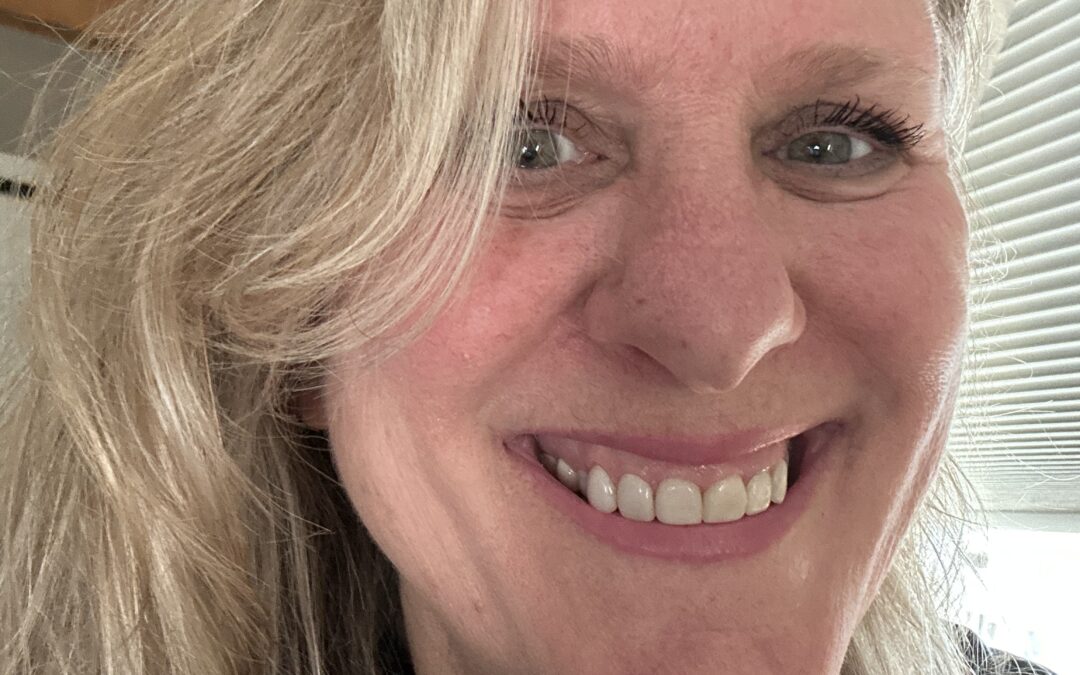
By Sharon Hartnett, CST-D, Lighten Up Therapies, Worthington, Ohio
When people search for a craniosacral therapist, they see letters after names — LMT, CST, CST-T, CST-D — and have no way of knowing what those letters mean or whether they matter. I get asked about it often enough that I decided to write it down. This is what the Upledger Institute’s certifications actually are, what the Diplomate level required of me, and why I think it is worth knowing before you choose who puts their hands on your head.
The short version
Craniosacral therapy can be learned at very different depths. A massage therapist can take an introductory weekend course and add “craniosacral” to a menu of services. The Upledger Institute, which developed and still teaches the method Dr. John Upledger brought into mainstream practice in the 1970s, offers two levels of certification beyond coursework:
- CST-T (Techniques Certification) — the practitioner has completed the core and SomatoEmotional Release coursework and passed written, practical and essay examinations. It shows hands-on competence and a solid foundation.
- CST-D (Diplomate Certification) — the advanced level. It requires the Techniques certification first, then years of further coursework, documented case studies, a presentation, and oral and practical examinations before Upledger examiners. It is the Institute’s highest clinical credential, and relatively few practitioners hold it.
I am Diplomate certified. I say that not to boast but because it is the single most useful fact a prospective client can know about me, and most people have never heard the term.
What “Diplomate” actually required
I took my first craniosacral therapy class in 2003, already a licensed massage therapist and already years into structural integration and energy work. I knew within that first class that I had found my calling. What I did not know was how long the road to Diplomate would be.
The Diplomate process is not a course you sign up for. It is a demonstration, over years, that you can do this work at a clinical level — with the anatomy and physiology behind it, with trauma, with the dialogue skills that SomatoEmotional Release demands, and with the therapeutic presence to hold a client safely through whatever surfaces. Case studies are written up and reviewed. You sit for examinations in front of senior Upledger instructors who have been doing this work for decades. You are expected to explain not just what you did with your hands but why, in the language of the craniosacral system, and to show it on a table. [Sharon: confirm the year you earned CST-D, and anything specific you want said about the exam.]
Along the way I served as a teaching assistant for Upledger courses, led a craniosacral therapy study group, and for many years worked as a SomatoEmotional Release therapist in group settings at Integrative Intentions. Those were not requirements so much as the natural result of wanting to go deeper.
Why the foundation under the certification matters too
A credential tells you a practitioner passed an exam. It does not tell you what they bring to the table besides the technique. In my case, craniosacral therapy sits on top of almost thirty years of other training, and clients feel the difference even when they cannot name it:
- Barbara Brennan School of Healing — eight years as a student and then a teacher, trained in Brennan Healing Science and spiritual psychology. This is where I learned to read the human energy field, and it is why my craniosacral work so often becomes energy work without a seam. [Sharon: confirm years attended.]
- Hakomi Institute — a two-year training in body-centered psychotherapy, followed by first-year trauma-informed training at the Sensorimotor Psychotherapy Institute. This is the somatic, trauma-informed part of what I do: knowing when a nervous system is ready to go deeper and when it needs to rest.
- Structural Integration (ISI) — my fascination with fascia came before craniosacral therapy and shaped everything after it. See Structural Integration with a Craniosacral Lens.
- Visceral Manipulation, Barral Institute — listening to the organs and their connective tissue, which is why visceral work shows up in my sessions for digestive and pelvic issues.
- Reiki, Ken Kole’s Unwinding the Meridians, Angelic Energy Healing, yoga teacher training, equine work with Spirit of Leadership — each one another way of listening.
- Licensed Massage Therapist, Ohio, since the mid-1990s, and a Bachelor’s degree from Ohio State.
None of that is on the Upledger certificate. All of it is in the room when I work with you.
How to use this when you are choosing a therapist
I am not going to tell you that only a Diplomate can help you. Many CST-T practitioners are excellent, and some people with no certification at all have good hands. But if you are dealing with something complex — a concussion, trauma held in the body, chronic pain that has not responded to anything else, TMJ that needs intraoral work — the level of training matters, and you are allowed to ask about it. A few things worth asking any craniosacral therapist:
- Where did you train, and are you certified through the Upledger Institute? At which level?
- How many years have you been doing this work specifically?
- Have you trained in SomatoEmotional Release, and in working with trauma?
- What else do you bring — somatic training, energy work, structural work?
You can verify any Upledger certification in the International Association of Healthcare Practitioners directory. I would rather you check than take my word for it.
What this means for your session
In practice, the Diplomate training is why I do not follow a fixed ten-step protocol. I listen to where your body is asking for attention and start there, whether that is the cranium, the sacrum, the fascia around an old injury, or the energy field itself. Sessions are 75 minutes, in my office in historic downtown Worthington, a short drive from Columbus. If you are not local, energy and somatic work are also available by phone or video.
If you have questions about my training or whether this work is right for what you are carrying, call or text me. I am happy to talk it through before you book.
Sharon Hartnett CST-D
Lighten Up Therapies
6797 N High Street Ste 333, Worthington, Ohio 43085
(614) 653-8111
Learn more about craniosacral therapy, read the frequently asked questions, or see the full range of integrative therapies I offer.