614 653-8111 Sharhartnett@aol.com

ADHD Help

The percentage of drugs that children take for ADHD has gone up dramatically.

I have no judgement about this.  Physicians are doing what they can to help children who feel inattentive, high energy and are having a difficult time integrating into mainstream daily life. Medications can help.  Maybe there are some more integrative treatments as well.

ADHD can be challenging. On top of the child’s own inherent challenges, they often can face rejection by other children, teachers and their community as well.

So what else can be done to help our children?

How about trying a more natural approach that will support the best qualities of your child to shine ?

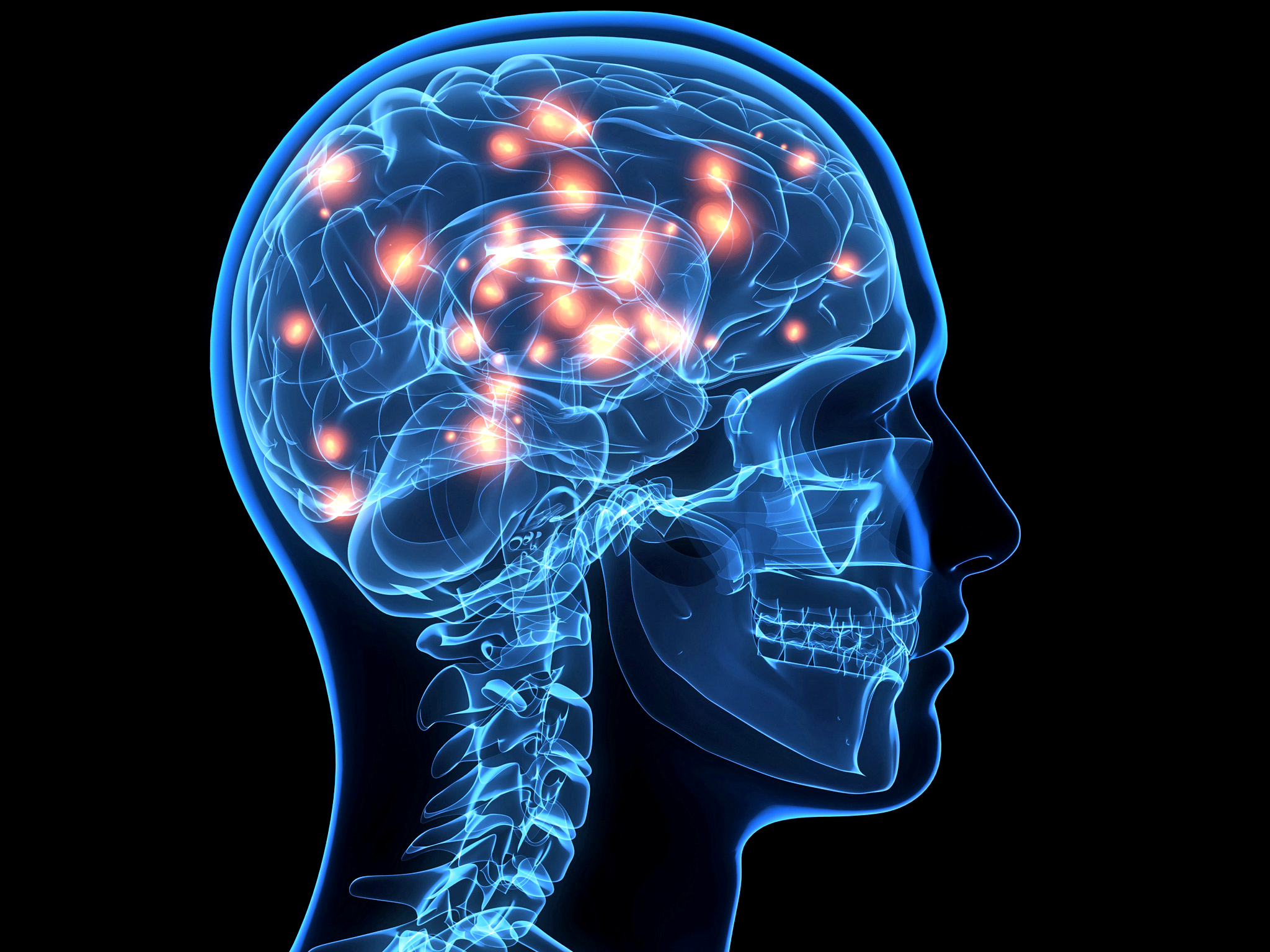
Craniosacral Therapy has been able to help lots of kids with ADHD to calm down and feel more centered.  Personally,  there is nothing better than having a child get up off the table and give me a big hug because they finally have a sense of peace and balance.  If we can encourage the child to lay down and receive the work, the Central Nervous System often will feel some huge shifts.  By working with the brain, spine, and surrounding tissues, we can assist the cerebrospinal fluid to function optionally, allowing the CNS to do its work more efficiently.

When one’s mind is busy, one of the best experiences can be to relax and feel quiet.

Here are some benefits CST can provide:

Craniosacral therapy (CST) is a gentle, hands-on technique that focuses on the craniosacral system—comprising the membranes and fluid surrounding the brain and spinal cord. It’s used to release tension and improve the functioning of the central nervous system. CST is often considered a complementary therapy and is sometimes suggested for children with Attention Deficit Hyperactivity Disorder (ADHD) to help manage symptoms. While the evidence supporting its effectiveness for ADHD is limited and more research is needed, proponents believe that CST may help in the following ways:

1. Reducing Stress and Tension

Children with ADHD often experience heightened stress levels and may have difficulty relaxing. CST is thought to promote relaxation by gently releasing physical tension in the body, which could help improve emotional regulation and reduce hyperactivity.

2. Improving Focus and Attention

Some children with ADHD struggle with concentration and maintaining focus. CST may help improve the flow of cerebrospinal fluid around the brain and spinal cord, which in theory could support cognitive function, leading to better focus, clarity, and overall mental performance.

3. Enhancing Emotional Regulation

Children with ADHD often have difficulties with emotional control, including impulsivity and difficulty managing frustration. CST may help by promoting a sense of calm and balance, possibly improving emotional regulation over time.

4. Promoting Better Sleep

Sleep disturbances are common in children with ADHD, and poor sleep can exacerbate ADHD symptoms. By supporting relaxation and reducing physical tension, CST may improve sleep quality, which in turn could help with mood, attention, and behavior during the day.

5. Supporting Sensory Integration

Children with ADHD sometimes have sensory processing issues, such as being oversensitive to certain stimuli or having difficulty filtering out irrelevant sensory input. CST is thought to help normalize sensory processing, which may improve how a child responds to stimuli and help with focus and behavioral regulation.

6. Increasing Overall Calm and Self-Regulation

CST’s gentle techniques might help a child feel more grounded, leading to improved self-regulation, which is often a challenge for children with ADHD. By working with the body’s natural rhythms and promoting balance, CST can support overall well-being.

7. Addressing Underlying Physical Tension

Many children with ADHD have been shown to have heightened muscle tension, particularly in the neck, shoulders, and jaw. CST could help alleviate this physical tension, which may contribute to reduced anxiety and better mental and emotional functioning.


If you would like to try a Craniosacral Session, look at the Upledger site for a practitioner in your area.  I’d recommend looking for someone who is certified to make sure they have a thorough understanding of the work.

If you have questions about how Craniosacral can help alleviate some of  your child’s ADHD symptoms, I would love to chat.


For more information on ADHD:

Sharon Hartnett Craniosacral Therapist Columbus

614 653-8111

Serving the Columbus, Ohio Area

For information, go to my main page. 
 

Can Craniosacral Help Resolve Post-Concussion Symptoms?

Can Craniosacral Help Resolve Post-Concussion Symptoms?

Post-Concussion Symptoms

If you have persistent symptoms after a head injury lasting over three months, your physician may diagnose you as having Post-Concussion Syndrome.  Some the indications that might lead you to your doctor’s office are: dizziness, insomnia, fatigue, irritability- or just not feeling normal.  If you have hit your head, make sure that you get checked out because the effects can last a very long time if left untreated.

If a concussion is your diagnosis, you may want to research and interview Craniosacral Therapists to help you recover. Personally, in my Cranosacral Therapy practice, I have worked with clients who have experienced headaches, memory issues, nausea, cognitive impairments and a sense of disorientation, along with other day to day challenges.  In a matter of just a few sessions, clients begin to see improvements. The quality of their lives gradually change for the best.

Concussion

Craniosacral Therapy


When clients come in with a concussion diagnosis,  a Craniosacral Therapist (CST) will interview the client and evaluate the whole body.  They will ask that their clients come at least 10 days after the injury before treating with hands on. This gives the client’s body time to rest which is very important. Once in the office and on the table, the CST will listen at different stations to determine how the work should move to support more optimal functioning. Often a client may think that the session should be spent on the head for most of the time, but that has not been my finding.  Because the client has usually experienced a fall or been hit with some type of traumatic influence, the rest of the body can be pulling some of the tension throughout the whole craniosacral system. So it is necessary to address the symptoms as a whole body issue.  It’s important to help the cerebral spinal fluid to flow and work properly along the spine and within the brain. An example might be if someone is knocked off their feet, it may be important to balance the feet, the pelvis, especially the sacrum first, to ready the body for the work to the cranium. When everything is functioning better below the head, it enhances the work around the brain. Structural restrictions release more easily and fall back into order.

What is so great about Craniosacral Therapy is that the touch is so light, yet because of its ability to work to release fascial adhesions, and to engage the Craniosacral System to support the Central Nervous System, it can boost and restore with minimal discomfort if any at all.  Most clients get off the table deeply relaxed and feeling integrated in a whole new way.

There has been a recent growing attention to Concussions lately, especially with children in sports. If you or someone you know has received a blow to the head, make sure that he/she gets into see their physician. It’s best to catch and treat concussions early on. An integrative approach, including Craniosacral Therapy, may help you to feel healthier, clearer, energized and more on target.


For further information:  Craniosacral Therapy Research for Concussions


Sharon Hartnett CST, SI, LMT

703 509-1792

www.massgeincolumbusohio.com

www.craniosacraltherapistcolumbus.com


7 Reasons Why You Should Get Craniosacral Therapy

7 Reasons Why You Should Get Craniosacral Therapy

How Can Craniosacral Therapy Help You…

Simple and  Easy:  this is an easy way to release stress.  When the mind and body can calm down and balance, the internal healing potential can do wonders.


Craniosacral Therapy

Craniosacral Therapy


Just to name a few benefits:
  • Relieves Neck and Back Pain
  • Improves Range of Motion
  • Reduces Anxiety and May Help with Depression
  • Helps Resolve post-surgery adhesions
  • Boosts the immune system
  • Alleviates Fibromyalgia discomfort
  • Balances the spinal alignment with Scoliosis

Bonus:  It can help with post-concussion symptoms!

Experiences vary from session to session.  This light touch can bring about profound changes as it works directly  with the Central Nervous System to balance.  Clients may fall asleep, become very talkative, feel deep emotions that come to surface as the stress leaves the body.

CST can unleash your healing potential.

If you want to find a therapy that is gentle and effective to help you let go of tension, check out the Upledger Institute for a local practitioner near you.

FAQ Page

Sharon Hartnett CST-D

Worthington, Ohio|Serving the Columbus Area

614 653-8111

To find out more about Craniosacral Therapy, check out my main page.


Can Craniosacral Help with the Winter Blues?

Can Craniosacral Help with the Winter Blues?

Whether you are experiencing the winter blues or a more extreme case of SAD,  Craniosacral Therapy can help you you to reconnect to joy and wellbeing.


What do you know about Craniosacral Therapy?

Winter Blues

Alleviate Winter Blues


Craniosacral Therapy may help. One in five Americans fall into “seasonal mood disorder”. The shorter days and colder weather brings us inward.  It’s a time when we get to be more quiet and reflective. For some people, this isn’t so easy. Women, in particular, can be negatively impacted by the lack of sunlight.  By finding out more,  you may realize that there is some help. Learn more about your symptoms.

Symptoms that may show up:

  1. Low Energy
  2. Problems Getting Along
  3. Agitation
  4. Staying in Bed
  5. Depression
  6. Overeating
  7. Feeling Anxious
  8. Trouble Concentrating
  9. Losing Interest

If you are one of those people that feels more stressed and disconnected during the winter season,  you might want to consider some type of massage therapy. Craniosacral Therapy in particular which focuses on balancing the Central Nervous System can help alleviate anxiety, depression symptoms, and moodiness.  With its gentle touch and potential for deep connection, clients can feel more vital, more optimistic and able to face life each day. The internal process of Craniosacral Therapy often helps people to feel more interconnected inside, thus making it more possible to express that with their external environment too. With a more integrative approach, if you are experiencing more extreme symptoms of depression,  combining Craniosacral Therapy with psychotherapy can increased you chances let go of debilitating patterns. Current research is showing more and more how beneficial Massage Therapy is for improving life’s outlook. Contact your local Craniosacral Therapist to see if together you can help chase the winter blues away.


Sharon Hartnett LMT, CST, SI

740 966-5153

Serving the Columbus, Ohio Area

www.massageincolumbusohio.com


A Great Way to Help with Plantar Fasciitis

A Great Way to Help with Plantar Fasciitis

What is Plantar Fasciitis?

Do you wake up in the morning feeling stiffness or pain in your feet as you stand up?  If so,  you may be experiencing plantar fasciitis.

The thick ligament that connects your heel to toes (along the arch) is called the plantar fascia.  When this tissue is weak, it can cause pain either when you get up or are walking uphill.  The pain may come on gradually or it may feel sharp and immediate. There are a few reasons that can contribute to this condition:  overweight, high arches or flat feet, running, tight achilles tendons, or walking in shoes that don’t support your feet well.

plantar fasciitis

plantar fasciitis

One of the modalities of hands on work that can be very helpful with this condition is myofascial therapy.  In conjunction with rest when necessary, wearing good shoes with arch support, stretching and exercising joints, it is possible to get some relief.  One of the things that needs to happen from a massage perspective is that the fascia all the way from surrounding foot bones and muscles need to find good tone and relaxation balance. Often from improper posture, the fascia can get rotated, twisted or adhere to the bones causing lack of healthy mobility.  I find that by working with the fascia and with the Craniosacral system, that clients have seen wonderful changes as the tissues begin to soften,  unwind as the foot gets more properly aligned.  This work can be done either with patience and a soft gentle touch, or more strongly as long as the therapist is listening and responding to the information they are receiving from the fascia.

It does take time for plantar fasciitis to clear up with many clients. It’s important to remember though that the stress patterns that created the pain were built over time, and long-term resolution takes time too in some cases.

If your pain continues to get worst, do consult a physician.  They can test and diagnose your condition properly.

Sharon Hartnett LMT, CST, SI

703 509-1792

Serving the Columbus Ohio area