(614) 653-8111 Sharhartnett@aol.com
Neck Pain Relief with Myofascial Massage

Neck Pain Relief with Myofascial Massage

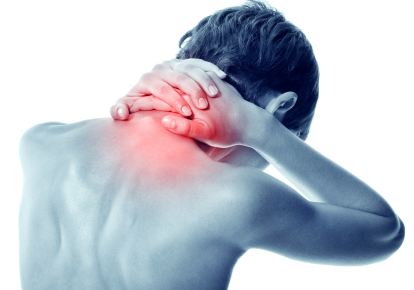
Neck Pain can occur for numerous reasons.

It could be the aftermath effect of an accident, poor postural strain,  a pinched nerve or the result of an illness. Whatever the reason for your pain and discomfort, what matters most is finding the best method that will work to help alleviate your symptoms.

There are some basic things that you can do at home:

  • Taking a warm epsom bath full of Magnesium Sulfate can help wonders.
  • Put two tennis balls in a sock and place them on the back of the neck while lying on the ground.  Relax.
  • Place your hand on the back of your neck and press where it hurts.  Stretch slowly and gently away in the areas that feels good.  Overstreching could make it feel worst so listen to your body.
  • Ask your sports trainer to give you some strength building exercises.  Very important for long-term recovery.
  • Breath and gently turn head in easy directions that are unusual.  Various planes of motion benefit.
  • Use a Stillpoint Inducer from Upledger for a minute or so, thereafter increasing time each day to help diminish pain.
  • Buy a neck traction machine and use as needed.
  • Eat healthy foods and exercise.  Stay away from processed food and perhaps check in with a functional physician or nutritionist to make sure you are using food as medicine.  Changing your diet can help fight against arthritis.
Neck Pain Relief

Neck Pain Relief

Things that you can do outside of this are:

  • Find a good Physical Therapist who does manual work as well as giving you exercises.
  • Swedish Massage helps with Circulation and Lymphatic Flow.
  • Find a Structural Integration Therapist who works with posture and movement to help you getting better aligned.
  • Craniosacral Therapy helps to relieve dysfunction along the spine and cranium, often helping to relieve pain symptoms.
  • Chiorpractors vary in their methods as much as Massage Therapists.  Ask questions and state what you want.  Some can apply abrupt moves and others can manipulate much more gently.
  • Myofascial Massage works with the muscles and the fascia primarily.  By lengthening the layers releasing trigger points and knots, clients often feel much better.
  • Sometime emotional issues needs to be expressed.  Speak with a healer or counselor about what is going on in your life and work towards resolution.

Listening to your body and taking a holistic approach to health is your best option.  If you are suffering from neck pain,  take this opportunity to turn it around.  There is no reason why you should neglect your self-care!

Sharon Hartnett LMT, CST, SI, Brennan Healer

(614) 653-8111

Columbus, Ohio


Myofascial Release for Sports Performance

Myofascial Release for Sports Performance

Craniosacral Therapy and Fascia: Supporting Ease, Balance, and Freedom of Movement

How can craniosacral therapy help the body find greater ease and freedom of movement? One important part of the answer is fascia—the remarkable web of connective tissue that surrounds, supports, and connects muscles, organs, nerves, bones, and other structures throughout the body.

In my practice, craniosacral therapy (CST) is always a whole-body experience. Although we work with fascia and its relationships to the surrounding tissues, the primary focus is the craniosacral system (CSR) and the body’s own capacity to find greater balance, relaxation, and integration.

As a craniosacral therapist serving Columbus, Ohio, I approach each session with gentle touch, attentive listening, and a willingness to follow the body’s cues rather than force a particular outcome. Sometimes the most meaningful work happens when we slow down, listen, and allow the body space to respond.

What Is Fascia, and Why Does It Matter?

Fascia is a continuous network of connective tissue that surrounds and interconnects muscles, organs, nerves, blood vessels, and other structures. It helps provide structural support while allowing different tissues to glide and move in relationship to one another.

When we experience repetitive movement, physical strain, injury, stress, or prolonged periods of restricted movement, we may also notice changes in comfort, flexibility, and the way our bodies move.

This is where gentle, attentive bodywork can play a supportive role.

Rather than focusing on a single muscle or isolated area of discomfort, craniosacral therapy considers how different parts of the body relate to one another. The fascia surrounding the muscles, the connective tissues associated with the organs, and the tissues surrounding the spine and head are all part of this interconnected landscape.

How Does a Craniosacral Therapist Work With Fascia?

Craniosacral therapy is different from conventional massage. Instead of relying on vigorous kneading or forceful stretching, CST uses gentle touch, stillness, and skilled palpation to listen to the body’s subtle responses.

I think of this process as listening, melding, and allowing.

Listening: Through gentle contact, I listen to the craniosacral system and the tissues beneath my hands. Rather than deciding in advance what the body needs, I pay attention to subtle changes in tension, movement, and tissue response.

Melding: Melding describes the quality of presence and connection that develops through touch. It is not about pushing tissue into a particular position. It is about meeting the body where it is, allowing time for a response, and working with the body’s natural patterns rather than against them.

Allowing: As the tissues respond, there may be a sense of softening, settling, or greater ease. My role is to provide a supportive environment in which the body can explore a more comfortable relationship with itself.

This approach can include attention to the fascia surrounding muscles, the connective tissues associated with organs, and the relationships between the head, spine, pelvis, and the rest of the body.

The intention is to support greater ease and freedom of movement while respecting the body’s individual needs and pace.

Fascia, Hydration, and Tissue Mobility

Healthy connective tissue depends on more than flexibility alone. Fascia contains a fluid-rich ground substance that helps tissues maintain their structure and supports the movement of substances through the body’s connective-tissue environment.

The ability of fascial layers to glide in relation to one another is also important for comfortable movement.

Gentle manual therapy can encourage awareness of restricted movement and may help some people experience a greater sense of softness, mobility, and ease in the tissues. Although bodywork does not directly rehydrate tissue or guarantee improved nutrient delivery, supporting comfortable movement and relaxation can be valuable parts of an overall approach to well-being.

The goal is not to force the fascia to change, but to listen carefully and allow the body to respond in its own way.

Craniosacral Therapy for Chronic Tension, Stiffness, and Limited Mobility

People seek craniosacral therapy for many reasons. Some live with persistent muscle tension or chronic discomfort. Others notice stiffness, postural imbalances, or a reduced range of motion that affects everyday activities.

Gentle craniosacral therapy may be a supportive complement to an individualized wellness plan for people experiencing:

  • Chronic muscle tension and persistent discomfort.
  • A sense of stiffness or restricted movement.
  • Physical strain associated with repetitive activities.
  • Stress and difficulty relaxing.
  • A desire to feel more connected to their bodies.
  • A need for a gentle, attentive approach to bodywork.

Every person is different, and results vary. Craniosacral therapy is not a replacement for appropriate medical care, physical rehabilitation, or other indicated treatments.

For people who are sensitive to deep pressure or vigorous massage, the gentle nature of craniosacral work may be particularly appealing.

Craniosacral Therapy, Trauma-Informed Care, and Sensory Sensitivity

Our physical experiences and emotional well-being are closely connected. Stressful experiences can influence how we carry tension, respond to touch, and experience our bodies.

For people who have experienced trauma, a gentle, respectful approach can provide an opportunity to rest and notice bodily sensations without being pushed beyond their comfort level.

For people with sensory sensitivities, including some autistic individuals, the pace, pressure, and predictability of bodywork can be especially important. Sessions should be adapted to individual preferences, communication needs, and comfort with touch.

Craniosacral therapy does not treat autism itself, and it is not a cure for trauma-related conditions. Rather, it may be explored as a complementary wellness practice when it aligns with a person’s preferences and broader care plan.

People living with arthritis or other conditions affecting mobility may also appreciate a gentle approach that respects areas of sensitivity and avoids unnecessary force. Treatment should always be adapted to the person’s health needs and tolerance.

How Can Craniosacral Therapy Support Athletes and Active People?

Whether you run, swim, cycle, dance, practice yoga, lift weights, or enjoy recreational sports, the quality of your movement matters.

Training often involves repeating the same movements many times. Over time, athletes may become aware of areas of tightness, fatigue, or restricted mobility that affect how comfortable and fluid their movements feel.

Craniosacral therapy takes a whole-body perspective, exploring how the craniosacral system and surrounding tissues relate to overall comfort and movement.

By encouraging relaxation and greater body awareness, CST may complement an athlete’s existing recovery and movement practices. Some people find that they feel more relaxed, balanced, and connected to their bodies after a session.

Craniosacral therapy is not a substitute for strength training, mobility exercises, appropriate conditioning, or sports medicine care. It can, however, be considered as one part of a broader approach to maintaining an active lifestyle.

Craniosacral Therapy Is More Than Working on One Area

One of the things I value most about craniosacral therapy is that it invites us to look beyond the location of a symptom.

The body is an interconnected whole. The muscles, fascia, organs, nervous system, and craniosacral system do not function in isolation. Each person’s experience of movement, tension, and relaxation is unique.

Rather than forcing a change in one area, I work with gentle touch and attentive listening to support the body’s own process of finding greater ease and integration.

Clients sometimes describe feeling lighter, more relaxed, more energized, or more at home in their bodies after a session. These experiences are personal, but they reflect something important about the value of taking time to slow down and reconnect with ourselves.

Experience Craniosacral Therapy in Columbus, Ohio

If you are looking for a gentle, whole-body approach to wellness, I invite you to learn more about craniosacral therapy with Sharon Hartnett, LMT, CST-D, SI.

With decades of experience in bodywork, I offer a thoughtful approach centered on the craniosacral system, with attention to the fascial relationships that influence how the body feels and moves.

Whether you are experiencing chronic tension, seeking support for greater ease of movement, or simply wishing to feel more connected to your body, each session is tailored to your individual needs.

Ready to explore craniosacral therapy in the Columbus area?

Visit www.craniosacraltherapistcolumbus.com to learn more about my approach and schedule a session.

Sharon Hartnett, LMT, CST-D, SI
Craniosacral Therapist serving Columbus and Worthington, Ohio
Phone: (614) 653-8111

Gentle listening. Thoughtful touch. Space for your body to find greater ease.

Listening with Craniosacral Therapy

Listening with Craniosacral Therapy

In Daily life,  most people stay busy, and it’s easy to become distracted.

One of the best things that I like best about Craniosacral Therapy, is that it creates a sacred space for silence.  During a session, clients lay on a table fully clothed, close their eyes, and relax.  Stress is let go. In the quiet of the moment, many layers of consciousness have the time and ability to arise and be expressed.  For many people, this means that they have a unique opportunity to be mindful, introspective and have an experiential of unfolding.  Wonderful healing can take place, along with integration and growth.


I believe that this state of Grace in awakening is always available to us, however; it’s easy to miss due all the things we schedule or how we decide to live.  It is in our best interest to balance action with receiving,  thereby giving us the chance to live in “Being”.

As a Certified Craniosacral Therapist,  my priority is to align with “listening” and help my clients to find their Inner Physician through resonance.  What this means is that I focus on the CST rhythm primarily as it allows me to emphasize around the brain and spinal cord and how they relate to the rest of the body.  By supporting balance, strength, rate and symmetry, the client optimizes through inner dialogue in the moment.  In many instances, one can feel this as the therapeutic pulse picks up and sounds its healing potential.  In other cases, tissues release and energy is flows or an electrical buzz travels under the fingers.  In addition to the CSR (Craniosacral Rhythm), there are so many other things going on that intuition can lead me towards-the beating of the heart, the way the body moves with each inhale and exhale,  the sound that loudens or softens as the body changes,  all of these have a voice that the wisdom of the body is ready to reveal.  By using the fascia and the bones as my prime manual tools,  change is encouraged and a sense of wellbeing is the end result.

Another reason why I recommend Craniosacral Therapy to many people is that it is very gentle.  This type of hands on therapy can be used during pregnancy, right after birth to seniors with sensitive skin and/or health issues.  We use about a nickels worth of pressure until the tissue takes us deeper.  No forcing or tough manipulating.  Yet believe it or not-  profound change can occur through this quiet listening and supporting through the craniosacral system.

If you are needing some help with energizing, or quieting CST is quite helpful.  If you are in pain- helping restrictions or adhesions to dissolve opens the pathways to healthier dialogue.  The body is a whole being and awakening it to its possibilities is exciting as it brings one back to center and wellness.

FAQ Page

Sharon Hartnett CST-D

Worthington, Ohio|Serving the Columbus Area

614 653-8111

To find out more about Craniosacral Therapy, check out my main page.


Sports Related Knee Injury

Sports Related Knee Injury

Knee injury is one of the most common sports related reasons that bring patients to the doctors office.

knee injury

knee injury


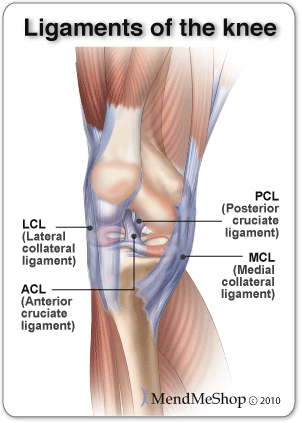
Be proactive if you feel any pain, notice popping sounds, see any swelling or can’t walk properly.  It is important that you don’t put off getting the proper treatment for knee injury if you want to avoid long-term negative repercussions.  If you are fortunate, with your physician’s recommendation, you can apply basic first aid, and take some Ibuprofen and everything will heal nicely.  However, you don’t have to stop there.  Structural Integration with its fascial massage can be very helpful in alleviating any stress around the knee, the quads, and the hamstrings.  This can be done for minor ailments, or once your doctor recommends if surgery if needed.  The body is miraculous at healing itself.  However, the new tissue that is laid is not going to give you the same mobility you once had in many cases unless the fascia is spread, balanced and lengthens, allowing for more natural alignment.

If you are interested in playing sports and performing to your optimal level,  Structural Integration can be very helpful in supporting you to relate movement to your activities with higher performance.

Working with the fascia can be done starting with the superficial layers to help ease the pain around the joint.   As the work is deepened, it unlocks habitual patterns, and also those that resulted from the injuries.  Often clients feel the positive effects from doing a series of session more than with other types of basic massage.  That is because the adhesions and rotations, once they are released, stay that way,  allowing for more freedom and flexibility.

If you have had a knee injury and are looking for a therapy that can make a difference, call Sharon Hartnett LMT at (614) 653-8111 in  Columbus, Ohio.  

www.massageincolumbusohio.com


Healing… How Long Will It Take to Feel Better?

Healing… How Long Will It Take to Feel Better?

Curious about how many healing sessions you need to resolve pain issues?

Well, the truth is no healer or therapist can give you that answer if they are being honest.

What we can offer is that we will use whatever tools and compassion we have to help you along on your journey back to health.  And if you are looking for the best massage therapist, healer, health coach that can help you to re-connect to that force inside of you that can shift things toward wellbeing, the best thing you can do is interview, try new healing modalities, and make a commitment to stay with your own process as you learn from each relationship and experience.


Healing

Healing


When you interview possible massage therapists, the first thing you want to do is check in with your own intuition to see if you feel comfortable with yourself when you meet.  If his/her presence sets the space as a comforting and an honest environment for you to open up, then that is a good indication.  Next, it is important that you feel like your needs are really heard.  Some therapists have routines and just do their thing.  It is much more helpful to clients if each session is set up as a unique and moment-to-moment type of therapy.  That way the dialogue between you and the therapist is based on the body’s own wisdom to self-correct through positive intervention.  On the same note,  in regards to communication,  let your therapist know what pressure works best for you.  Often the body will say one thing, but the ego has a completely different itinerary.   Both of these need to be alignment for the best results. Lastly, look online for testimonials and google reviews.  There is a huge difference between beginner practitioners and people will experience.  You do actually pay for what you get for the most part when it comes to massage and healing.  This is not to say that you won’t receive a good session from someone right out of school, but they won’t hold the same depth and width of hands on experience.

I have lots of clients who tell me that they have tried everything and nothing works.  Well-  that can be a challenge if the client doesn’t learn and see the benefits of each interaction.  What I can say is that if you are in pain,  that is your body or spirit telling you that something needs to change and your own system doesn’t have the answer yet.  With this said,  the history in the biology has often taken a lot of time to go awry,  it takes time to work through restrictions, compensations and such before getting to the Source sometimes.  Open your mind to new things.  Allow yourself to trust your intuition and the people you work with. With time and patience, and good work- things can and often do change toward the positive.  

Stay committed to your healing process.  Nobody can fix you, but plenty of people and life itself will help you to heal.  Dance in the new relationships you make, and don’t let anything or anyone take you off course from yourself.

Pain is an indicator that lets you know that something needs to change.   Trust what is being created and let go of what you no longer need.  Whether it is physical, emotional or spiritual-  with positive intention- you can find your way back to Source.

Sharon Hartnett LMT

(614) 372-6598

www.massageincolumbusohio.com

Sports Injuries and Craniosacral Therapy

Sports Injuries and Craniosacral Therapy

Repetitive or Acute sports injuries can take their toll on athletes.

Most accidents only lead to bruises and mild soft tissue injuries, however, about 25% can be serious. Especially in contact sports such as football, hockey and such, more and more athletes are facing PTSD and other emotional stress.

Injury

Supporting sport injuries with Craniosacral Therapy.

When to call the doctor:  If you are experiencing persistent pain or anxiety, which is interfering with your daily life, make sure to contact your physician before things get worst.

Once you have followed your physician’s advice, explore some Craniosacral Therapy options as the work can be very helpful.

On a physical level,  Craniosacral Therapy supports the nervous system by directly working with the brain, spinal, membranes and fluid within.  The Craniosacral System has a rhythm that allows the CS fluid to nourish and keep the nervous system balanced.  Releasing restrictions and working to help the body let go of fascial dysfunctions can improve overall functioning throughout the body, reducing pain and helping with other disorders such as digestive issues,  TMJ, migraines, fibromyalgia, just to name a few.  On an emotional level, when there is any flow disruption, the mind can become anxious resulting with tension, headaches, and difficulty breathing. Nowadays, we are hearing more and more about football players ending up with PTSD and other brain disorders.  Craniosacral Therapy is a gentle, non-invasive type of therapy that is restorative and can re-educate clients to feel more relaxed and centered.  

If you are local to Columbus, Ohio- and you have questions about how this therapy can help you, call Sharon Hartnett CST at:  (614) 653-8111.

*For Massage Therapists with Advanced training in Craniosacral Therapy, while they are not necessarily trained in psychotherapy,  if they have studied with the Upledger Institute through the higher levels of Somato-Emotional Release, they can support you to express repressed feelings without judgment or analysis.

FAQ Page

Sharon Hartnett CST-D

Worthington, Ohio|Serving the Columbus Area

614 653-8111

To find out more about Craniosacral Therapy, check out my main page.