
Craniosacral Therapy
Post-Concussion Symptoms: When Recovery Takes Longer Than Expected
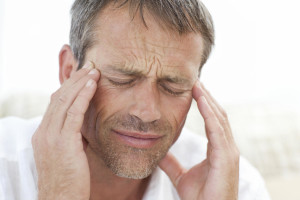
If symptoms linger for more than three months after a head injury, your physician may diagnose Post-Concussion Syndrome. Common symptoms include:
- Dizziness
- Insomnia
- Fatigue
- Irritability
- Headaches, nausea, or memory and concentration problems
- Just not feeling like yourself
If you’ve hit your head, get checked by a physician, even if the injury seems minor. Symptoms can last a long time when they go unaddressed. Seek emergency care right away for a worsening headache, repeated vomiting, confusion, seizures, weakness or numbness, unusual drowsiness, or loss of consciousness.
How Craniosacral Therapy Fits In
Once you have a diagnosis and your doctor’s guidance, you may want to add supportive care. In my craniosacral therapy practice, I’ve worked with clients dealing with headaches, memory issues, nausea, difficulty concentrating, disorientation, and other day-to-day challenges. Many report feeling better within a few sessions, though every person and injury is different.
What a Session Looks Like
- Interview and whole-body evaluation. I begin by learning about your injury and symptoms.
- Rest first. I ask clients to wait at least 10 days after the injury before hands-on work, because early rest is essential to healing.
- Listening hands. On the table, I use very light touch at different areas of the body to sense where tension is held and how the work should proceed.
- A whole-body approach. Many people expect the whole session to focus on the head, but that hasn’t been my experience. After a fall or blow, tension can be pulled through the entire craniosacral system. If someone was knocked off their feet, for example, I may start by balancing the feet, pelvis, and especially the sacrum to prepare the body for work around the cranium. When the body below the head is working better, the work around the brain tends to go more smoothly.
Why Gentle Touch?
Craniosacral therapy uses very light pressure to release fascial restrictions and support the craniosacral system and central nervous system, with little or no discomfort. Most clients leave deeply relaxed and feeling more integrated. Craniosacral therapy complements, and does not replace, medical care.
Concussion Awareness Matters
Concussions have received growing attention, especially in youth sports. If you or someone you know has taken a blow to the head, see a physician promptly, since early care matters. An integrative approach that includes craniosacral therapy may help you feel clearer, more energized, and more like yourself.
Ready to explore gentle support for concussion recovery? Book a craniosacral therapy session in Columbus, Ohio.
Sharon Hartnett, CST, SI, LMT
📞 614-653-8111
🌐 www.craniosacraltherapistcolumbus.com
Good post! Thankyou for writing it. Good information for clients to know.