(614) 653-8111 Sharhartnett@aol.com
Finding the Best Somatic Therapist to Help Resolve Your Chronic Pain and Discomfort.

Finding the Best Somatic Therapist to Help Resolve Your Chronic Pain and Discomfort.
Healing Touch with Craniosacral Therapy

Finding the Best Somatic Therapist for Chronic Pain and Discomfort

I’m a craniosacral therapist working with an integrative somatic approach in Worthington, serving Columbus, Ohio. “Somatic” simply means I work through the body. I draw on decades of training and experience to help you feel better and more at home inside your own body — with ease, with peace, and often with a more natural flow of energy by the time you leave. When you book a somatic session with me, I want you to feel the value and quality of the work.

Symptom Relief: What My Holistic Therapy Can Help With

Through mindful listening and skilled, gentle touch, I work with people dealing with:

The body is deeply intelligent. With the right support, it moves in its own healing direction. If you’re wondering what this work actually does, I explain it plainly in What Does Craniosacral Therapy Do?

My Background as a Craniosacral and Somatic Therapist

My path started with energy healing in the 1990s. About 27 years ago I became licensed in massage therapy, though I didn’t practice massage for long — I invested instead in learning and practicing Structural Integration, and later attended and taught at the Barbara Brennan School of Healing. One thing led to another: I studied Hakomi, then trauma-informed work with Sensorimotor Psychotherapy. As the work evolved with my clients, I moved in the early 2000s into Craniosacral Therapy at the Upledger Institute and Visceral Manipulation at the Barral Institute. Today I’m certified at the highest level Upledger offers: Diplomate (CST-D). You can read more about my energy healing work and visceral manipulation on their own pages.

Why I Wrote This

When I searched for other therapists in the Columbus area, I found a lot of confusing marketing. I felt I had to speak up, because you — as a paying client — deserve to know what you’re getting when you call and book. Interview by phone and get a clear picture of credentials. Someone may rank at the top of a search for a modality they’ve never actually trained in. There’s also a big difference between a person who took one weekend class and someone committed to years of training and practice. And when someone markets craniosacral therapy as a kind of massage, that isn’t accurate. It’s not massage; it’s a whole other system.

My Recommendations

  • If someone advertises as, say, a visceral manipulation practitioner, ask about their training and experience. Are they being upfront?
  • If you want an expert craniosacral therapist, ask whether they’re certified — and at which level.
  • If you want a manual therapist trained in body-centered psychotherapy or trauma-informed work, ask which school they attended.

My hope is that when you search, you get accurate, useful information, so you end up in “hands of integrity.”

Ready to feel better? I’m Sharon Hartnett, a Diplomate-Certified Craniosacral Therapist (CST-D) through the Upledger Institute, with about 30 years of experience listening to the body and helping it heal. My office is in Worthington, Ohio, and I serve the greater Columbus area.

If you’re curious whether this gentle work is right for you, I offer a free 15-minute phone consultation. Call or text me at (614) 653-8111.

Learn more about somatic therapy and trauma-informed healing, read answers to common questions about craniosacral therapy, or find out how to choose the best craniosacral therapist for you.

Best Craniosacral Therapist in the Columbus Area

Sharon Hartnett CST-D

 (614) 653-8111

Text: To learn about my Craniosacral Therapy services, visit my  my Main Page Here.   Link
 

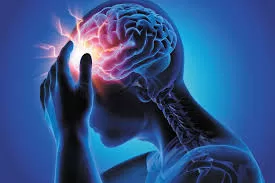
Find Someone to Help Me With My Headaches and Migraines|Columbus Ohio Area

Find Someone to Help Me With My Headaches and Migraines|Columbus Ohio Area

Find The Best Manual Therapist For Migraines and Headaches in the Columbus, Ohio area.

Look at www.Upledger.com to find a Craniosacral Therapist with an Integrative Approach to Help with Pain Relief if you want to get to the core potential to heal.


What to ask when you contact a therapist


When you reach out, here are some questions to help vet whether they’re a good match:

Experience

“Have you worked with clients who have chronic migraines or recurring headaches?”

“Do you use pain psychology, cognitive behavioral therapy, biofeedback, or mindfulness-based approaches with people in pain?”

Approach / Modality

  • “What methods or frameworks do you use (e.g. CBT, ACT, MBSR, somatic work)?”

  • “How do you integrate the fact that I have a neurological / physical health condition into therapy?”

Coordination of care

“Are you willing to communicate with my neurologist or headache specialist (with my consent)?”

“Have you worked in multidisciplinary teams (doctors, physical therapists, pain clinics)?”

Practicals

Do you accept my insurance (in-network)?

What’s your rate if out-of-network?

Do you offer sliding scale?

Are sessions in person, telehealth, or hybrid?

How often do you typically see clients in similar situations?

Sure mediation can help.  But wouldn’t you rather reach for your body’s own ability to deeply heal the core issue?  There are no guarantees, however-I have seen many people get much better over a series of Craniosacral Therapy and other manual therapies.  Often my clients feel well after a the orignal sessions and then end up coming about once a month to maintain.

If you have severe neck issues, it might be best to work with a team of practitioners/doctors.

Sharon Hartnett CST-D

 (614) 653-8111

Text: To learn about my Craniosacral Therapy services, visit my  my Main Page Here.   Link


Brain Healing Through Craniosacral Therapy: Manual Biomechanics for Individual Recovery

Craniosacral Therapy for Brain Health: Gentle Healing Through Mindful Touch

How I use Upledger craniosacral therapy and hands-on listening to support brain healing and a calmer nervous system — Worthington, Ohio, serving Columbus

So many of the people who come to see me are tired of being pushed, adjusted, and medicated. They’re looking for something gentler that still works. Craniosacral therapy (CST) is that. It works with the craniosacral system — the delicate membranes and cerebrospinal fluid that surround and protect your brain and spinal cord — using touch so light you may wonder whether anything is happening. Something is.

What the Craniosacral System Is

Your craniosacral system has its own slow rhythm, separate from your heartbeat and breath. It runs from the bones of the skull, face, and mouth all the way down to the sacrum at the base of your spine. Cerebrospinal fluid moves through it, nourishing the brain and spinal cord and carrying away waste. When that system is restricted — after a fall, a concussion, long stress, or old injury — the brain is living in a cramped, congested environment, and it shows up as headaches, fog, poor sleep, anxiety, and exhaustion.

How I Listen With My Hands

I use about the weight of a nickel. With that light a touch, after more than 30 years of practice, I can feel the gentle expansion and contraction of the cranial bones, the flow of the fluid, and the pull of the fascia throughout the body. I’m not correcting anything. I’m following what your body is already trying to do and giving it a quiet place to do it. I can pick up the rhythm anywhere on the body, and the Upledger 10-step protocol gives me a whole-body map to work from, but most of what I do is listen for where you’re held and wait for the tissue to let go.

A lot of the work happens in stillness. Some of the most powerful moments in a session are the quiet ones, when the body finds a stillpoint and reorganizes itself. This isn’t energy work — CST is grounded in anatomy and physiology — but the presence I bring to it matters as much as the technique.

What Craniosacral Therapy Does for the Brain

  • Better fluid flow and circulation. Releasing restrictions lets cerebrospinal fluid and blood move more freely around the brain, which is how the brain feeds itself and cleans house.
  • A calmer nervous system. The work switches on the parasympathetic “rest and repair” side of the nervous system, so the harmful effects of chronic stress on the brain start to ease.
  • Deeper sleep. Sleep is often the first thing clients notice improving, and sleep is when the brain clears and consolidates memory.
  • Emotional release. Stored tension — physical and emotional — has room to surface and settle.
  • Resilience. Working directly with the central nervous system helps it function better and bounce back faster.

Why the Relationship Matters

Your nervous system can’t heal while it’s on guard. The quality of attention I bring — gentle touch, no agenda, no force — gives your system permission to come down from high alert and into the state where repair happens. That’s why this work is so well suited to people recovering from trauma, chronic stress, or neurological injury, and why it’s safe for everyone from newborns to the elderly.

Every Brain Heals Differently

Some people feel a big shift in the first session. Others notice gradual changes over weeks. Some feel warmth or tingling on the table; others feel almost nothing until they realize a few days later that the headache didn’t come back. All of that is normal — it’s your body’s own intelligence leading the way, at its own pace.

In my practice I’ve seen craniosacral work support people with chronic headaches and migraines, fibromyalgia, and persistent musculoskeletal pain; people managing anxiety, stress, and trauma responses; and people recovering from concussions and mild traumatic brain injury who were still struggling with headaches, dizziness, fog, and emotional ups and downs long after the scans came back “normal.” Progress with brain work tends to be cumulative rather than dramatic, which is why I always start with an honest conversation about what to expect.

Why Certification Matters

Many practitioners take a weekend course and add “craniosacral” to their menu. There’s a real difference between that and a therapist who has spent years in advanced training, mentorship, and clinical practice. I’m Diplomate-certified (CST-D) through the Upledger Institute — the highest level available — because this work deserves that depth. When you’re choosing someone to work with your brain, ask about certification and ask how long they’ve been doing it.

Ready to feel better? I’m Sharon Hartnett, a Diplomate-Certified Craniosacral Therapist (CST-D) through the Upledger Institute, with about 30 years of experience listening to the body and helping it heal. My office is in Worthington, Ohio, and I serve the greater Columbus area.

If you’re curious whether this gentle work is right for you, I offer a free 15-minute phone consultation. Call or text me at (614) 653-8111.

Learn more about craniosacral therapy in Columbus, read answers to common questions about craniosacral therapy, or find out how to choose the best craniosacral therapist for you.

Still Hurting After an Accident? Craniosacral Therapy May Help You Recover

Still Hurting After an Accident? Craniosacral Therapy May Help You Recover

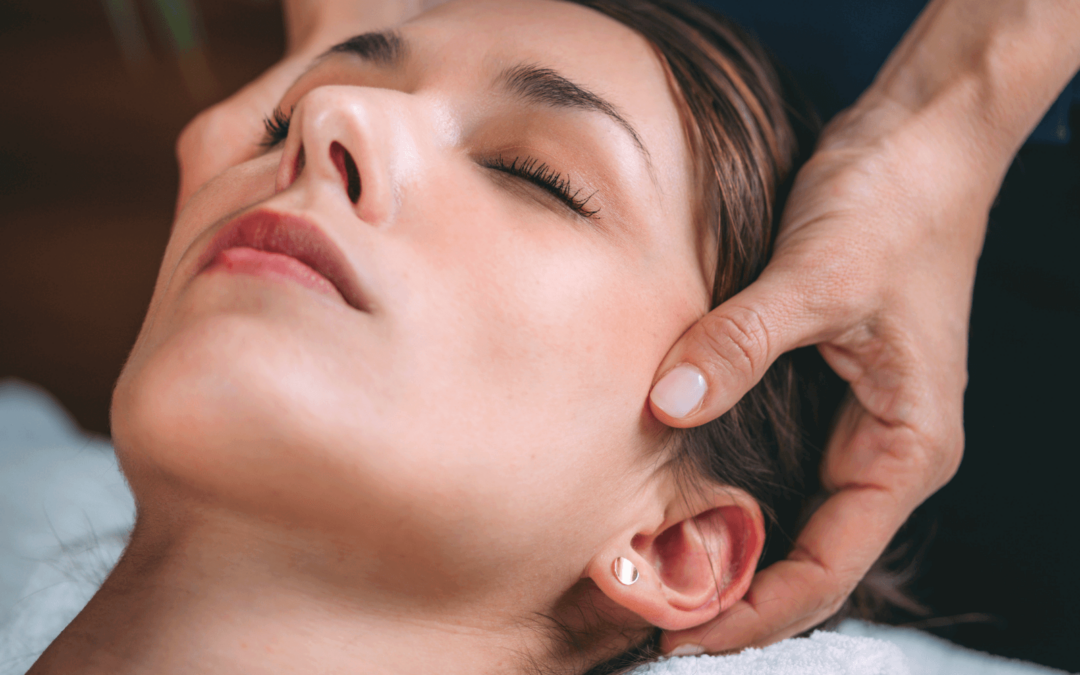
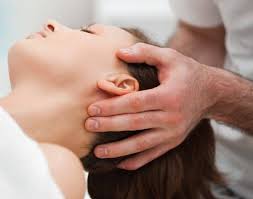
Craniosacral therapist using light touch to help a woman recover from injury-related headaches and tension"

Still Hurting After an Accident? Craniosacral Therapy May Help You Recover

If you’ve been in a car accident, taken a hard fall, or suffered a head injury, you might still be feeling the effects — long after the moment has passed.

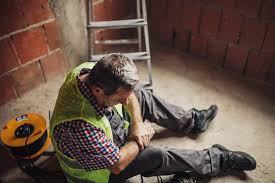
Every year, thousands of people experience accidents that leave invisible marks. Car crashes. Ladder falls. Horseback riding injuries — I’ve had my own. Some walk away feeling lucky, until the symptoms start creeping in.

Lingering headaches. Jaw tension. Brain fog. Dizziness. Chronic neck and back pain. For many people these symptoms don’t show up right away, and when they do, conventional medicine may not offer full relief.

That’s where craniosacral therapy comes in.

Accidents Are More Common Than You Think

  • Over 6 million car accidents happen in the U.S. every year. Even minor fender benders can cause whiplash or head injuries.
  • 500,000+ people are injured annually in ladder falls.
  • Horseback riding leads to 100,000+ injuries a year — many involving the head, neck, or spine.

Emergency care handles broken bones and life-threatening trauma. But many people are left with unresolved tension or dysfunction that lingers long after the body appears “healed.”

Traditional Medicine Offers Essential — But Sometimes Incomplete — Relief

After an accident, most people turn to:

  • Pain relievers (NSAIDs, muscle relaxants)
  • Physical therapy
  • Rest or immobilization
  • Imaging and diagnostics (MRIs, CT scans)

These treatments matter, and I always want you to follow your doctor’s guidance. But for people living with post-concussion symptoms, chronic headaches, or nervous system overload, the path to recovery can feel frustratingly slow — or stalled. Migraines, tension headaches, jaw pain (like TMJ), and hypersensitivity can persist long after the scans say “nothing wrong.”

Craniosacral Therapy: Gentle Support for Deeper Healing

Craniosacral therapy works with your body’s own rhythm to release tension stored in the central nervous system. Using a light, therapeutic touch — no more than the weight of a nickel — I listen to the subtle patterns in your body and help unwind the areas of restriction or shock that an impact leaves behind.

Craniosacral therapy may help:

  • Reduce headaches and migraines
  • Ease neck and jaw tension after whiplash
  • Support post-concussion recovery
  • Calm the fight-or-flight response
  • Improve sleep, mood, and focus

Unlike forceful manipulation or invasive treatment, this work creates a safe space where your nervous system can reset and self-correct — which matters most when the trauma is still “held” in the tissues.

What the Research Says

A growing body of studies supports craniosacral therapy’s role in pain and trauma recovery:

  • One clinical trial showed reduced pain and frequency of migraines after CST compared to traditional massage.
  • Case studies report improvements in post-concussion symptoms, including dizziness, fogginess, and neck pain.
  • CST has been shown to help with cervicogenic headaches, which often trace back to trauma in the neck.

Larger studies are still needed, but the evidence points to craniosacral therapy as an effective complementary therapy alongside medical care — especially when symptoms persist past the acute phase.

You Don’t Have to Do It Alone

Healing takes time, especially after trauma. It’s normal to feel frustrated when you’re not getting answers, or when people tell you “you should be fine by now.”

Craniosacral therapy offers another way: a craniosacral therapist who meets your body where it is, listens deeply, and supports you gently back into balance.

Ready to Explore a Different Path?

If you’re still hurting after an accident, you’re not alone — and you’re not broken. Your body may simply need the right kind of support to let go of what it’s been holding.

Ready to feel better? I’m Sharon Hartnett, a Diplomate-Certified Craniosacral Therapist (CST-D) through the Upledger Institute, with about 30 years of experience listening to the body and helping it heal. My office is in Worthington, Ohio, and I serve the greater Columbus area.

If you’re curious whether this gentle work is right for you, I offer a free 15-minute phone consultation. Call or text me at (614) 653-8111.

Learn more about craniosacral therapy for post-concussion recovery, read answers to common questions about craniosacral therapy, or find out how to choose the best craniosacral therapist for you.

Relieve Headache Pain with Craniosacral Therapy

Relieve Headache Pain with Craniosacral Therapy

Headache Pain Relief with Craniosacral Therapy

Find Headache Relief with an Upledger Certified Craniosacral Therapist…

Local Columbus Ohio Craniosacral Therapist:  Sharon Hartnett CST-D

Experience Lasting Headache Relief with Craniosacral Therapy

Headaches can disrupt your day, leaving you reaching for painkillers and wondering if relief will ever come. Craniosacral therapy offers a gentle, non-invasive approach to headache relief by addressing the root causes of tension and imbalance. Rather than simply masking symptoms, this holistic headache treatment works with your body’s natural rhythms to restore balance, calm the nervous system, and reduce the frequency and intensity of headaches.

What Is Craniosacral Therapy?

Craniosacral therapy (CST) is a light-touch manual therapy that focuses on the craniosacral system—the membranes and cerebrospinal fluid surrounding your brain and spinal cord. During a session, a certified therapist uses subtle manipulations to:

  • Release tension around the head, neck, and spine

  • Enhance cerebrospinal fluid flow, supporting detoxification

  • Balance the central nervous system, reducing stress-triggered headaches

How Craniosacral Therapy Helps with Headaches

  1. Tension Release
    Many headaches stem from tight muscles and restricted connective tissue. CST gently eases tension around the cranial bones and surrounding fascia, alleviating pressure that contributes to headaches.

  2. Stress Reduction
    By promoting deep relaxation, Craniosacral Therapy for migraines helps reset your body’s stress response, calming the fight-or-flight reaction that can trigger chronic headaches.

  3. Improved Fluid Dynamics
    Optimizing cerebrospinal fluid circulation supports nutrient delivery and waste removal in the brain, which can reduce headache frequency and intensity naturally.

Why Choose Craniosacral Therapy for Headache Relief?

  • Safe & Non-Invasive: Perfect for all ages, including children and seniors

  • Drug-Free Pain Management: Avoid potential side effects of medications

  • Personalized Care: Treatments are tailored to your unique craniosacral rhythm

  • Long-Term Results: Many clients report lasting improvements in headache frequency and quality of life

Ready to Discover Natural Headache Relief?

Don’t let headaches hold you back. Schedule a craniosacral therapy session today and experience the difference of a truly holistic headache treatment. Your body already knows how to heal—let us help you unlock its potential.

Call Sharon Hartnett  for a Free Phone Consultation.  Find out more about Craniosacral Therapy at: My home Page or  The Upledger Institute

FAQ Page

Sharon Hartnett CST-D

Worthington, Ohio|Serving the Columbus Area

614 653-8111

To find out more about Craniosacral Therapy, check out my main page.

Is A Head Massage Different Than Craniosacral Therapy?

Is A Head Massage Different Than Craniosacral Therapy?

Craniosacral Therapist Columbus

Head Massage Feels Great!

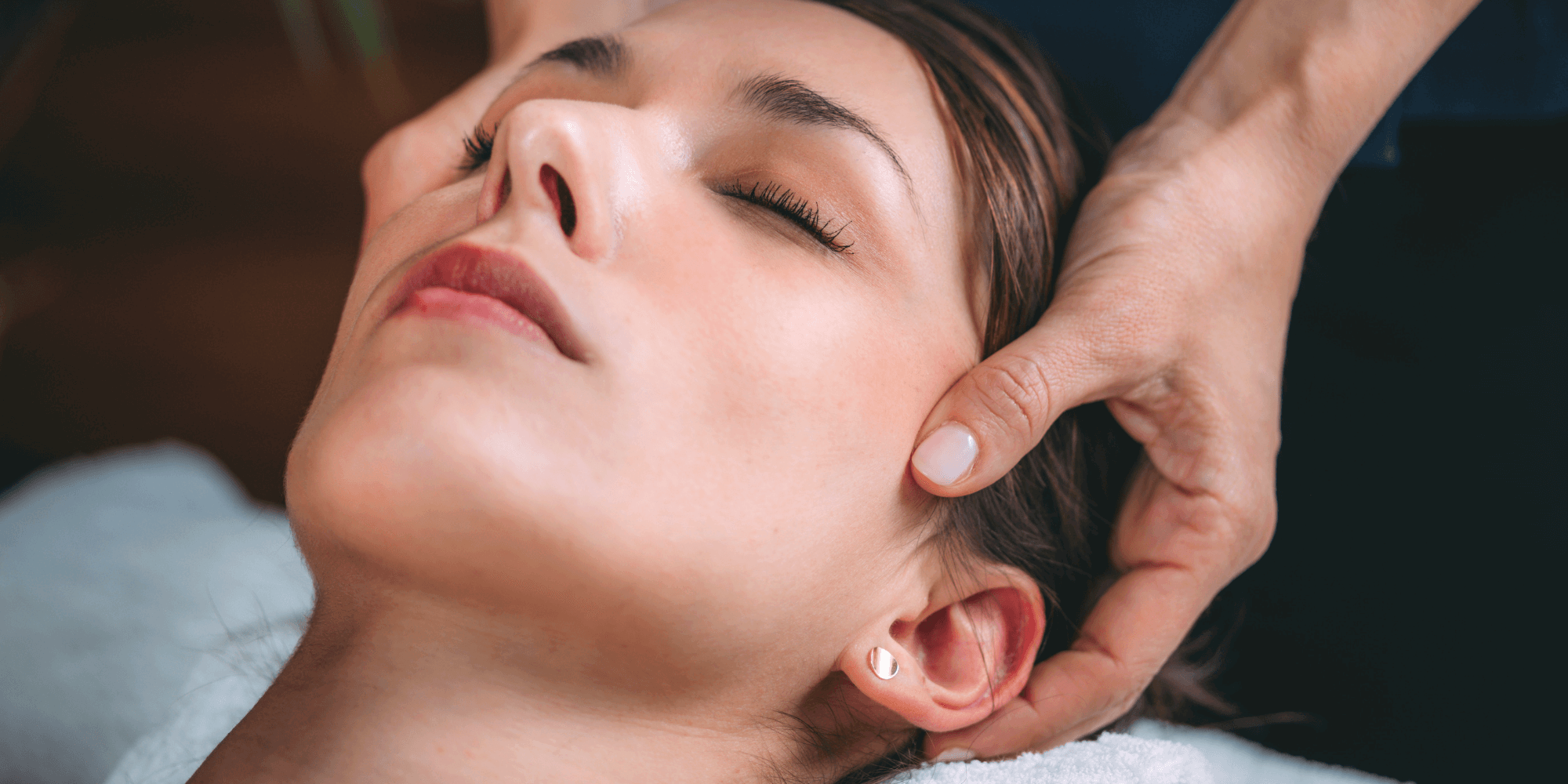
Imagine warm hands offering head massage after a stressful day. It feels wonderful creating better circulation and helping the soft tissues relax.

Even better though, when your head hurts, or you are suffering post concussion symptoms, Craniosacral Therapy is the better bet. In a Craniosacral Therapy session, you are going to have a Craniosacral Therapist listen to all the internal motions and work with the restrictions going on in your head, as well as your body at a much deeper level.

That’s right, an experienced Certified Craniosacral Therapist can listen and follow the patterns throughout the whole system by placing our hands in one place and listening intently. The amazing thing is the body shows us through the Craniosacral System where there is dysfunction and how to help achieve integration.

This is primarily done by noticing and working with the sutures and allowing our hands to follow the patterns and rhythm into releasing from superficially to the deeper issues.  This can be exceptionally helpful for people with migraines, headaches, and who have hit their head.

The gentle biomechanical light pressure we use, gives small nudges to create deeper flow throughout the brain. It’s almost like an unwinding of disconnected communication patterns inside the head.  Allowing more space and dialogue. Beyond this, it affects the whole body and nervous system through all the interconnections.  When the brain is feeling healthy, the body does as well.

Head Massage can feel great.  Especially if someone focuses on their massage this way and becomes an expert.  Comparatively, a Certified Craniosacral Therapy learns about the cranium, the mouthwork, the different parts of the brain and nervous system and more.  Helping to create better motion in the brain, and throughout the whole body by working with the craniosacral system can alleveiate so many challenging symptoms.  Truly, it helps the whole body to heal itself.

Certified through the Upledger Institute

FAQ Page

Sharon Hartnett CST-D

Worthington, Ohio|Serving the Columbus Area

614 653-8111

To find out more about Craniosacral Therapy, check out my main page.