614 653-8111 Sharhartnett@aol.com
How to Move out of Trauma Toward Health

How to Move out of Trauma Toward Health

You are Not Your Trauma

How Craniosacral Therapy can Help You Release Your Trauma to Find Inner Peace…


Craniosacral Therapy (CST) can be particularly helpful for individuals who have experienced trauma, whether it is physical, emotional, or psychological. CST is a gentle, hands-on therapy that works with the body’s craniosacral system—comprising the brain, spinal cord, and the surrounding cerebrospinal fluid. The idea behind CST is that by applying subtle pressure, perhaps a nudge, to the craniosacral system, the therapist can help release tension, balance the flow of cerebrospinal fluid, and encourage the body’s own natural healing processes.

Here’s how CST may assist in trauma recovery:

1. Release of Stored Trauma

Trauma can manifest not only in the mind but also in the body. The body has a natural way of storing emotional and physical stress, and often, unresolved trauma can become “trapped” in tissues, fascia, and muscles. CST encourages the release of these stored tensions. The gentle listening and touch help to bring awareness to areas where trauma might be held, allowing the body to release these patterns in a safe and non-invasive way.

2. Regulation of the Nervous System

Trauma often leads to dysregulation of the autonomic nervous system (ANS), resulting in a state of hyperarousal (fight or flight) or hypoarousal (freeze or dissociation). CST can help regulate the nervous system by activating the parasympathetic nervous system (rest and digest), promoting a sense of calm and safety. This is crucial in trauma recovery, as it helps to shift the body out of a chronic stress response and back into a more balanced state.

3. Reducing Muscle Tension and Physical Pain

Many trauma survivors experience chronic pain or muscle tension as a result of the body’s protective response to trauma. CST can help release deep muscle tension and reduce physical discomfort. For people who have had physical trauma (such as accidents, injuries, or surgery), CST can also promote healing and alleviate pain associated with these injuries by improving circulation and reducing inflammation.

4. Improved Somatic Awareness

Trauma often leads to disconnection from one’s body, as individuals may dissociate or shut down in response to overwhelming experiences. CST encourages a reconnection with the body by increasing somatic awareness (the awareness of physical sensations). This process can be empowering, as it allows individuals to gently explore and process their experiences, fostering a sense of safety in their own bodies.

5. Promoting Emotional Healing

Trauma is not only stored in the body but also in the emotions. The gentle touch of CST may help to release emotional blockages that are tied to traumatic experiences. As the body relaxes and tension is released, clients often report emotional shifts, such as feelings of relief, lightness, or even the ability to access and express previously repressed emotions.

6. Trauma-Informed Approach

CST practitioners are trained to create a safe, supportive environment for trauma survivors. The non-invasive nature of CST and the respect for the client’s pace can make it an ideal therapy for those who may feel overwhelmed or unsafe with more traditional forms of bodywork or therapy. Practitioners are trained to be sensitive to the subtle cues of the body and ensure that any work done is within the client’s comfort zone.

7. Healing from Early Childhood Trauma

Craniosacral Therapy is also effective for individuals who have experienced early childhood trauma, including birth trauma. The craniosacral system plays a critical role in the early stages of development, and CST can help address any disruptions that may have occurred during birth or early childhood. This is particularly important as early trauma can affect neurological development and attachment patterns, and CST can support the healing of these early wounds.

8. Support for Dissociation

Dissociation is a common response to trauma, where an individual feels disconnected from themselves or their surroundings. CST can help with reintegration by gently guiding the body back into a state of balance and grounding. The physical touch can help bring attention back to the present moment and provide a sense of containment and stability.

9. Facilitates Deep Relaxation

CST induces a deeply relaxing state, which can be very beneficial for trauma survivors who experience hypervigilance or constant anxiety. By promoting relaxation and reducing the intensity of the body’s stress response, CST can help break the cycle of chronic stress that trauma survivors often experience.

10. Support for Complex PTSD

For individuals dealing with complex PTSD (C-PTSD), which may arise from prolonged or repeated trauma, CST can provide ongoing support. The gentle nature of CST allows individuals to slowly process trauma at their own pace, without the need for verbal confrontation of traumatic memories, which can sometimes be overwhelming.

Conclusion

Craniosacral Therapy provides a holistic, body-based approach that helps trauma survivors address the physical and emotional aspects of their healing journey. By promoting relaxation, releasing tension, balancing the nervous system, and encouraging somatic awareness, CST can be a powerful tool in trauma recovery, especially when combined with other therapeutic modalities like talk therapy or somatic therapies. It offers a gentle, non-invasive option for individuals looking to heal from the effects of trauma and reclaim a sense of safety and well-being in their bodies.

As always, it’s important for individuals to consult with trained professionals, as each person’s experience with trauma and healing is unique.

For more information about how Craniosacral Therapy can work for you,

Sharon Hartnett Craniosacral Therapist Columbus

614 653-8111

Serving the Columbus, Ohio Area

For information, go to my main page. 


Great Deal for a Holiday Gift

Great Deal for a Holiday Gift

Great Holiday Deal

Looking for a Caring Holiday Gift?

Columbus Ohio Area

Holiday Gift Craniosacral Session Series:

Offering a 5 package group of 75 minutes sessions for $675.00.  Discounted from $750.00.

Self-Care is so delicious.  Taking the time to relax and receive is healing. Yet often people don’t invest in themselves to feel good inside.  But what can be a better value than to feel more deeply connected?  To let go of stress and tension?  Finally to have a comfortable body and a smile on your face?

Why not give this holiday gift to yourself or another for Christmas?

Two Locations: One in Worthington, and the other in Johnstown.

Specific Niches of Expertise:

Concussions/Headaches/Migraines, Neck and Back Pain, Women’s Health, and Unlocking Trauma in a Safe Place. Of course Craniosacral Therapy is great as a proactive therapy to balance the nervous system and to free the body from stress and tension patterns. It’s very gentle, yet profound work.

Trained at the Upledger Institute

PS. Neck Work can get deeper to release the cervical area upon request.

www.upledger.com
www.cranosacraltherapistcolumbus.com

Sharon Hartnett Craniosacral Therapist Columbus

614 653-8111

Serving the Columbus, Ohio Area

For information, go to my main page. 


Plz Call me at 703 509-1792 if you would be interested in gifting this to a loved one!

How to Learn from Your Mistakes

Learn through Self-Awareness

Learn from Your Mistakes. We all do our best. We all try. All the tools we have been  given until any present moment is what we know, and what we have accepted.  No more.  No less.

The way to move and grow through change and to find joy is by:

1.  Being mindful of your choices.  This means actively observing yourself and your relationships. When the consequences limit you more than benfit, question.

2.  Look for the best in any given moment.  The choices we make are based on our past resources quite often. Still, inside every moment is a gem somewhere. Look for the light. It will reveal itself.  This does take an open mind perspective.  Nothing leads you into more peace and clarity than connection to your True Self internally.  That diamond is you.

3.  Many people are programmed to feel bad about their choices when they step out of a box. Yet, this choice is a growth opportunity. To move beyond what once felt safe and comfortable takes tremendous courage. Trusting the more open point of view and moving from there is powerful and life changing in the most beneficial way.  There will probably be some rough bumps.  Most probably.  However,  rising after you fall down develops resilience and a sense of real power.

4.  Go to your heart, and forgive others.  Not for who they are or what they did.  Truly for you. So you don’t have to carry that burden of anxiety or hate.  Free yourself from the weight of other’s problems.

5.  Pay attention to patterns.  If your relationships continue to withold love, punish or try to control you, step away.  Become more objective and find the new path. Love is important is the way which we try and fill our needs.  But a more authentic love also includes kindness, fulfillment, and acceptance.

We all deserve to find love, peace and joy.  However, we need to realize we deserve it all.  We need to learn from the past, to make a better future.

Sharon Hartnett Craniosacral Therapist Columbus

614 653-8111

Serving the Columbus, Ohio Area 

To find out more about Craniosacral Therapy, check out my main page.


Love is You and Love is Enough

Love is You and Love is Enough

Love

Love is Everything

When it comes to Love, have you ever questioned how much of our energy we put into convincing other people of our self-worth?  It’s so easy to want to get people to like us. It’s validating when they do.  However, it can hurt when our efforts pay no return.  Are you familiar with this life strategy?

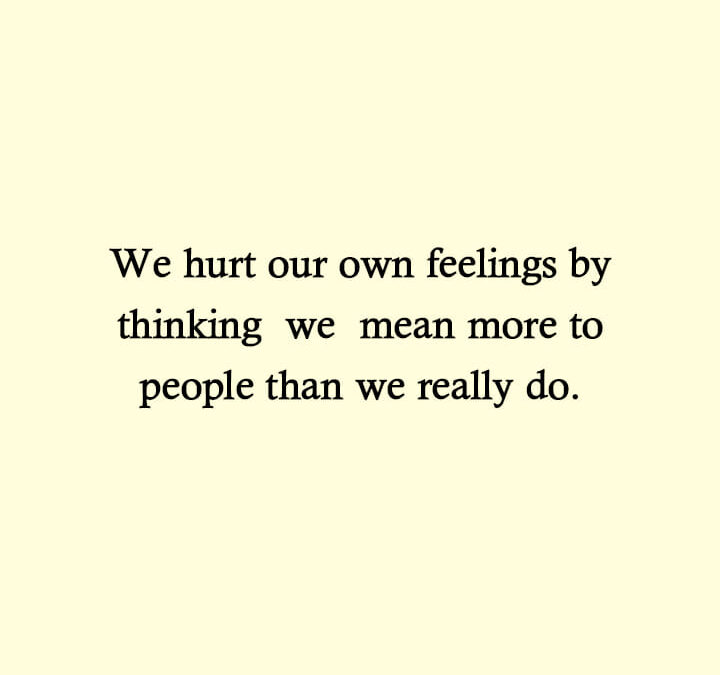
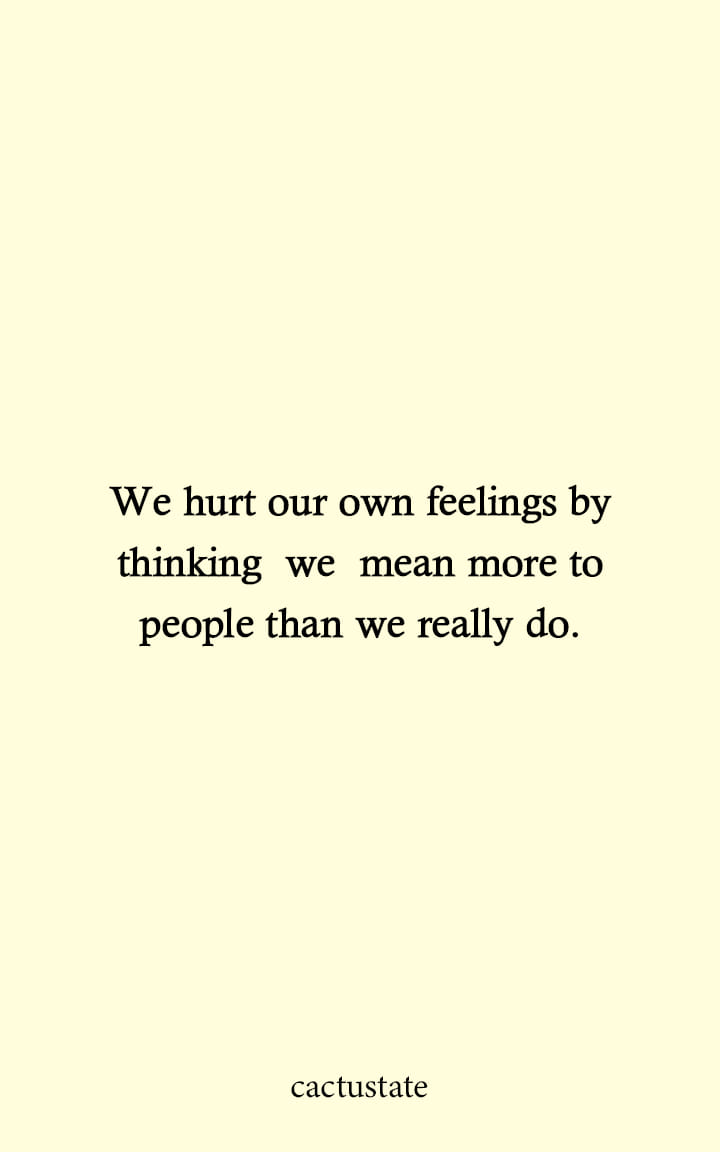
This is a common theme for many.  “We hurt our own feelings by thinking we mean more to people than we really do”.  Such disappointment!  How in the world did our thinking arrive at such a conclusion to act this way towards ourselves?

It’s in our culture, it’s in our family lineages, in our belief institutions to put our energy out towards others first.  “Others are more important than ourselves.”  But it is a set up really.

Begin by being your own friend and Ally first. Unless we begin to come inward and find out who we really are, we will be slaves to the dynamic of putting others first, and wanting something badly in return.  The love we think we want isn’t’ “out there.”  It’s living inside of you.  You only need to find and discover this internally to stop hurting yourself.  Mindfulness is a good place to start.  Moving toward restoration of mind, body and spiritual alignment is grounding and fulfilling.

Now I am not saying that we shouldn’t care about each other.  We are all part of the interconnected web of life.  But we can’t afford to neglect ourselves at the expense of others.  It does us no good to demand from others what we won’t do for ourselves.  Fill your wine glass right up.  Take in pleasure and nourishment.  Love yourself enough to welcome joy into your heart.  Clear away the cobwebs and discover your own true nature and the rest of that flow has a bridge to stream out and from to clear a path to connect with others in a healthy way.

We all have love within simply through Being Who we are.

I recognize the love of all humanity within each human being.  Even if it’s not always clear.  The more I clear in myself though, the more clear I get in knowing this experientially in relationships.  I only know this because I know myself.  Get to know yourself too!  Love is you!

With love,

Sharon Hartnett CST-D

614. 653-8111

To find out more about Craniosacral Therapy, check out my main page.

Sensing into the Ticklish Body

Sensing into the Ticklish Body

Ticklish

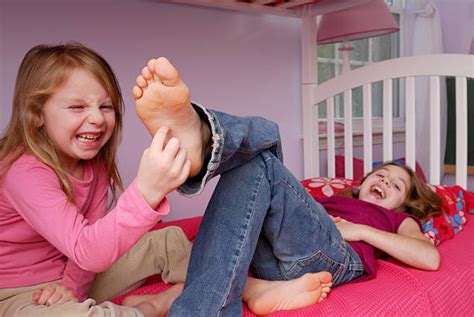
Have you gone to get a pedicure only to find that your feet are super ticklish. Or maybe a massage where you twist and turn at the hips, the legs or under the armpits as the laughter bubbles up?
This is not unusual. After working close to 30 years with people, mostly on the table, my curiosity asked me again to consider what this ticklish business is all about. I have experienced more than a few people start to smile and laugh at the same time as trying to move away. Especially with light touch. Obviously, these two reactive expressions seem a bit at odds, right? You know how that feels when you want to get away from the tickles with your eyes sparkling while your legs twitch and activate to run away.

Not all things are equal when it comes to tickling.  Usually the places where we are most ticklish are the location with a high amounts of nerve endings.  Some places on the body may feel quite soothed with the same quality touch as compared to the ticklish zones.  What I have read is that areas like the bottom of the feet or the rib cage are more vulnerable. Who knows how true this always is but it does makes sense from what I have experienced.  What is known though is that the ticklish response is a mind (hypothalamus part of the brain) body communication between the brain and body when you don’t feel comfortable with what is happening. What I have seen is that tickles mean the body is reacting to not feeling safe.  It’s usually a pattern which is reactive to outside and unexpected influences.

As a Craniosacral Therapist and bodyworker for so many years, I have found it intriguing and fun to help people work through the “tickles”.  Especially since I have been so curious about the differences between the many other people who actually quietly enjoy the light stroking while on the other hand invokes the ticking response from others. So, if the body draws me into an area and I see the dynamic begin, I like to ask if we can explore the ticklish sensation.  This is done with mindful consideration, and also permission. We explore the feelings and the sensations together.  Quite often, the brain becomes desensitized by helping the person to release the associated energy fairly quick.  Sometimes it is actually fun because the client laughs genuinely as they let go of the protective response. A light seems to go on for the ticklish person that this is a life strategy and it can be funny too.

Personally, my feet have always been ticklish.  I was often tickled as a child. I liked it-perhaps because of the smiles and attention, but it stressed my body.  What I do know is if a child is tickled, and it doesn’t stop, the body holds that tension.  Whatever the reason for your ticklishness, consider it may be a protective mechanism, and it is possible to honor your body and also to free it from the feedback loop.  Makes me think that one day I might need to go have my tickles set free from my feet as I write this.  Smile.

Sharon Hartnett CST-D
614 653-8111
To find out more about Craniosacral Therapy, check out my main page.