614 653-8111 Sharhartnett@aol.com
Healing Together Through The Invitation of God

Healing Together Through The Invitation of God

Listening During A Session| Awakening
Energy Moves

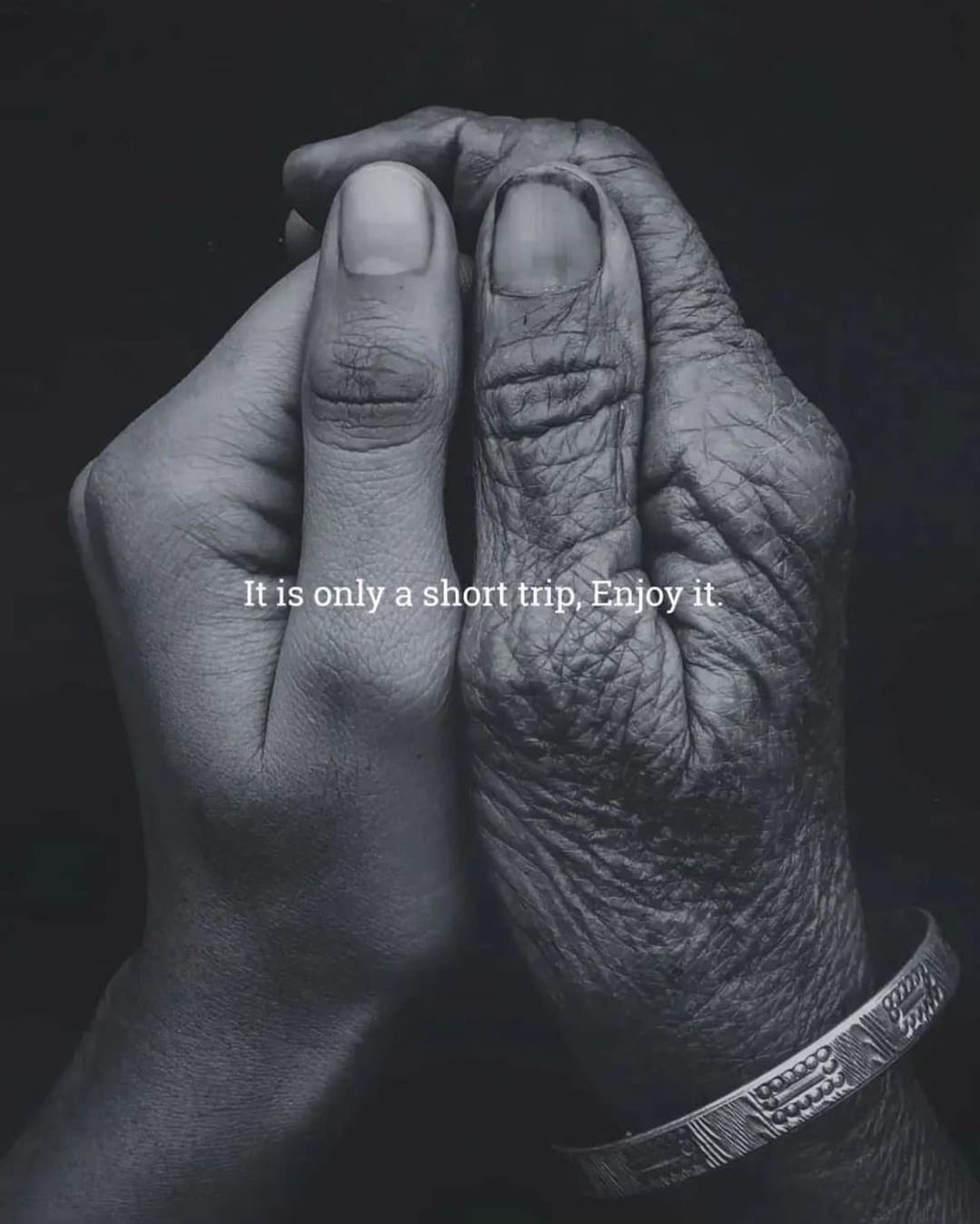
In the work that I do with people, I hold space.I listen to the body, but I also listen to the voice, the emotions that arise organically.I hold the sacred container of the human heart.I accept freely the creative twists and turns that make themselves known as life emerges freely in a therapeutic relationship between me and my client.My job is the be the container for healing and growth as new form and movement is born.

Yes, clients come in with chronic pain, migraines, concussions and such.They talk about past trauma and fears of the future.I listen, but I am more interested in what is underneath and at the core of each person, and of the collective as well. My hope is to move through the stories and touch reality Within. I always trust the deeper intelligence of life to lift up. I long for the betterment of each and all.My main intention is to be mindful and to nudge our way back to Source, what most of us call “God”.We do this together because healing is bringing together that which has been broken in illusion.

I am no more nor any less than any individual or group.Although my heart is in a very special place focused on evolution to the Higher Self.In each session, I recognize the similarities between us, and also acknowledge the Unknown segments.As I continue to listen and learn in the relationship, I realize that we are not so far apart.Mostly, we are just confused by our learned beliefs about ourselves and each other.The body and groups as well hold fields of energy that push to separate, distort and defend quite well. Remembering that we are indeed animals- we tend to use fear as an alert and protect the biological sense of self.With our sense of reason- we get lost in what is not real through projection and misunderstanding.That turbulence can lives in our biology until peace is found and centered.

Working with the Craniosacral System, but also in so many other ways as humans connect or divide, I am always opening up to the truth that we are all ONE.When we take away the fragmentation of an individual or the collective, we are free to be ourselves, creative, centered, and in higher union.To know God more deeply, I believe we have to know ourselves without the burden of other peoples stories.

In our world- we have allowed darkness and manipulation to control.But I keep my eye on the prize- the Higher Self- the relationship with God because we all have this potential.Nobody stands between us and the Creator.No person can interpret, teach, convince a true believer more than the direct willingness and openness to conversing with God 1:1.

All these old stories about ourselves and the past keep us stuck in violence and war.It’s time to stop.It’s time to forgive for ourselves as well as our enemies.Choose value.

Real values:Compassion. Integrity. Truth.Kindness.Courage. Peace. Freedom.Choose the Higher Self and the ONE True God.We have got this.But it’s time to take action. Move aside the dark chaos, and invite the essence of reality back into humanity.

My thinking for the day….

Sharon Hartnett CST-D.   614 653-8111

Craniosacral Therapist

Energy healer

Somatic Therapist

Serving the Greater Columbus, Ohio Area and Available for Remote Sessions


Listening to the Energy to Move toward health and wellness
Finding the Best Somatic Therapist to Help Resolve Your Chronic Pain and Discomfort.

Finding the Best Somatic Therapist to Help Resolve Your Chronic Pain and Discomfort.

Healing Touch with Craniosacral Therapy

I am a Craniosacral Therapist, working with an integrative somatic approach  in Worthington-serving Columbus, Ohio.

What “Somatic”  means is that I use my various trainings and experience to help you feel better, and feel more at home inside of your body with ease and peace through using techniques in connection with the body. Often clients end up leaving with a  more embodied natural flow of energy as well.  It is important to me that you find value and quality when you sign in for a somatic session.

Symptom Relief:  Through mindful listening and skill, Sharon’s Holistic Therapy can help you with:

  • Brain and Spinal Cord Dysfunction
  • Concussions
  • TMJ
  • Chronic Neck and Back Pain
  • Chronic Fatigue
  • Fibromyalgia
  • Learning Disabilities in Children
  • Tinnitus
  • Headaches/Migraines,
  • Foot and Ankle stiffness/Circulation
  • Grief
  • Addiction 
  • Autism 
  • Anxiety/PTSD
  • Increased Mobility
  • Postural Alignment
  • Deep Relaxation
  • Support for Trauma Recovery

 The body is super intelligence, and with the right support can move into its own healing direction.


Background as a Craniosacral Therapist

My background started off with energy healing in the 90’s, but then about 27 years ago, I decided to become licensed in massage therapy. Never did that very long, but invested  and worked in learning and practicing Structural Integration, and later attended and taught at the Barbara Brennan School.  One thing led to the other, and next I studied Hakomi, and Trauma Informed Work at SPI.  The work evolved with my clients, so I decided in the early 2000’s to move into Craniosacral Therapy at the Upledger Institute, and Visceral Manipulation at the Barral Institute.  Now I am certified at the highest level, “Diplomate”.

One reason I decided to write this particular blog is because when I searched other therapists, I realized there was some confusing marketing out there. I felt compelled to speak up about this because, you-as paying clients-deserve to understand what you are getting when you call and make an appointment.  Make sure that you interview by phone and get a real clear idea of credentials. For example, you may search someone and they list at the top, but never took a class in what they are marketing.  Also, there is a big difference between a person who takes one class, and someone who is committed to extensive training and practice. When someone markets Craniosacral Therapy as a massage-that isn’t accurate.  It’s not massage- it’s a whole other system.  Also- ask direct questions to make sure that the therapist are marketing according to their real backgrounds.  This is so you can find the best match for you.  I want you to receive what you are looking for!

My recommendations to you is:

  • If someone is advertising or coming up in searches as for example, a visceral manipulation practitioner- ask them about their training and experience.  Are they being upfront with you about their training?
  • If you are looking for an expert Craniosacral Therapist- ask if they are certified, and at which level.
  • If you want to find a manual therapist who has trained in body centered psychotherapy and/or trained in trauma inflormed work- ask which school they attended.

My hope is that when you do your searches you are getting accurate and beneficial information to assure you that you are in “hands of integrity”.

Best Craniosacral Therapist in the Columbus Area

Sharon Hartnett CST-D

614 653-8111

To learn about my Craniosacral Therapy services, visit my main page here

Situated in Worthington, Ohio, and serving the Columbus, Ohio area.


Book An Initial Craniosacral Therapy Session with Sharon Hartnett CST-D

Book An Initial Craniosacral Therapy Session with Sharon Hartnett CST-D

Book a Craniosacral Therapist in Worthington, Ohio.  Minutes from Columbus.

Looking for A Craniosacral Therapist in the Columbus, Ohio area?

No Need to Look Further-

LaI’d like to welcome you into the World of Craniosacral Therapy This Fall.

You know, lots of people have not heard about Craniosacral Therapy. Although, it’s been around for a long time in some form or another- based on an Osteopathic Approach to manual Therapy.  So here we go to share the good news about CST!

The first osteopathic doctor was Andrew Taylor Still, who developed the osteopathic medical philosophy in 1874 and founded the first osteopathic medical school, the American School of Osteopathy (now A.T. Still University), in Kirksville, Missouri, in 1892. His approach was based on the idea that the body’s structure is central to its ability to heal, focusing on the musculoskeletal system and preventive care.

There have been many physicians since that time who have learned and evolved this business of an ostepathic approach to healing.  The doctor who made a big impression on me as a Structural Integration Therapist years ago was Dr. John Upledger.

Dr. Upledger was recognized as an innovator and leading proponent in the investigation of new therapies. His development of CranioSacral Therapy in particular earned him an international reputation.  Dr. Upledger produced a protocol with fresh techniques which could be taught to anyone working hands on with people hoping to feel better. The Upledger Institute was created in 1985 and thousand and thousands of therapist have been offering this work ever since.

Personally, I have enjoyed doing as a somatic therapist over the last 30 uears Craniosacral Therapy and SI and Brennan healing sciencce.

I have melded all of my training into a listening of each person who comes into the office.  The primary intention is to discover what inside of you is ready to heal and how do I help to activate that with a gentle nudge and sacred holding. Most often this is done with Craniosacral Therapy as sthe primary modality.

What does a CST session look like?

CST is known for being very gentle and supporting the deeper intelligence of the body to self-correct, change and integrate.  My clients often come in once a week for a month or two, then shift to every other week, then to a month, eventually to once in a while to maintain.  It really depends on each individual and what is happening in their body.

What Kind of Symptoms Does CST help?

Craniosacral Therapy is not used to diagnosed or to fix.  Instead it is a listening of the Craniosacral System and how it affects the Nervous System and other cells, tissues, and organs so that the therapist can help ease things into a healthier dynamic motion.  People often feel much more relaxed, balanced and stronger after a session.   Sometimes, issues like migraines, concussions, fibromyalgia,tinnitus, headaches, anxiety, PTSD, back and neck pain, and other ailments clear up.  People with autism have experienced very positive results as well.   Quite often in fact.

Craniosacral Therapy is not massage.  You come in and stay fully clothed, and the therapist will examine your rhythm and perhaps, like me also check for visceral manipulation possibilities, lymhatic issues or some do add massage therapy.

What I recommend is that if you are seriously hoping to work with an experienced craniosacral therapist in the Columbus, Ohio area or anywhere else, check the Upledger site to see who is best certified and experienced.  There is a wide difference in education and experience.

If you have any further question, I’d like to answer them.  I offer a free 15 phone consultation at 614 653-8111.

I have a special promotion going on for the first session through the end of December, call and check it out!

Warmly,

Sharon Hartnett CST-D

To learn about my Craniosacral Therapy services, visit my main page here


Craniosacral Therapy in Columbus: How Gentle Touch, Somatic Awareness, and Visceral Manipulation Support Deep Healing

Craniosacral Therapy in Columbus: How Gentle Touch, Somatic Awareness, and Visceral Manipulation Support Deep Healing

craniosacral therapy worthington ohio

Call Craniosacral Therapist Near Me

Sharon Hartnett CST-D is a Certified Diplomate Craniosacral Therapist through the Upledger Institute

30 years of experience in mind/body centered healing and somatic work.

Telephone:  614 653-8111

Located in Worthington, Ohio and Serving the Columbus area.

Listening to the Body’s Deeper Intelligence

Craniosacral Therapy (CST) is a gentle approach to listening to the body’s own deeper mind-body intelligence. Rather than trying to “fix” a symptom, I listen with my hands and my presence to what your system is already communicating. When the body feels safe enough to express itself, the central nervous system begins to balance, nourish, and restore itself from within.

This work opens communication with the essence and core of each individual. When the craniosacral rhythm is flowing freely, people often feel deeply relaxed, more aligned, and connected to themselves again. Over the years, I’ve seen clients leave sessions feeling lighter, clearer, and more at peace in both body and spirit.

Why I Was Drawn to Craniosacral Therapy

I first experienced craniosacral therapy decades ago. What struck me most was how such light touch could create such profound change. My body softened. My mind quieted. I felt healthier and more whole.

As a practitioner now, I use CST as the foundation of my work because it meets people exactly where they are. The body knows what it needs — my role is to listen deeply, stay neutral, and help the system find its own natural balance.

Many people assume that light touch is less effective than deep tissue work. In reality, working gently with the tissues and dialoguing with the nervous system is often far more powerful for lasting healing. The change arises organically rather than being imposed from the outside.

An Integrative, Trauma-Informed Approach

My practice combines craniosacral therapy, somatic therapy, visceral manipulation, and energy healing in an intuitive, trauma-informed way. Every session is customized to the person in front of me. I draw on what I’ve learned from the Hakomi Method, Barbara Brennan Healing Science, Upledger CST, and years of working with clients through trauma, injury, and personal transformation.

This integrative model allows the body to unwind from multiple levels — structural, emotional, energetic, and spiritual. Healing is never just physical; it’s a whole-person process.

What Happens in a Typical Session

When a client arrives, I begin by listening. The first few minutes are about connecting — hearing what brings them in, noticing their tone of voice, posture, and how they inhabit their body. Everything tells a story about how their system is adapting and compensating.

After about ten minutes, the client lies fully clothed on the table. I place my hands gently at different areas — head, sacrum, feet — and listen to the craniosacral rhythm. This subtle motion naturally goes into flexion and extension with pauses in between. I assess its quality, rate, and symmetry. Where there are restrictions, I support the tissues in finding balance.

Sessions last about 75 minutes, longer than most bodywork sessions, because I want clients to have time to drop into deep stillness without feeling rushed. Afterward, I ask what shifts they noticed and how they might integrate these changes into daily life. Healing continues long after the session ends.

How I Track Progress

Progress often shows up in small but meaningful ways — easier movement, deeper sleep, less anxiety, or feeling more “present” inside the body. Each session, I ask questions to help clients notice what’s changing.

Because the work is so individualized, I often suggest people start with three sessions to feel how their system responds. From there, we adjust frequency based on their goals and progress. Some people come short-term for an acute issue; others choose ongoing sessions for maintenance, stress relief, and emotional regulation.

Somatic Therapy: Bringing Awareness and Empowerment

Somatic therapy helps clients develop awareness of how emotions and experiences live in the body. Using a Hakomi approach, I notice subtle cues — a breath held, a shoulder tightening — and may reflect or ask mindful questions to bring unconscious patterns to light.

Sometimes, we explore these through small “experiments” in awareness. This isn’t talk therapy; it’s an embodied inquiry that helps people discover their own inner wisdom. When someone becomes more self-aware, they naturally become more self-empowered. They begin to trust their body again and make new choices from a grounded place.

Visceral Manipulation: Restoring Internal Balance

Visceral manipulation focuses on the gentle mobilization of the organs and their connective tissues. Every organ in the body needs a certain freedom of motion to function optimally. When there’s restriction — from injury, surgery, posture, or emotional tension — it can affect digestion, breathing, or pelvic health.

I often work with women who experience pelvic discomfort, digestive issues, or breathing limitations. Through subtle assessment and touch, I help release restrictions so the organs can move in harmony again. This work often relieves pain, improves range of motion, and restores vitality throughout the entire system.

A Trauma-Informed Lens

Over the years, I’ve worked with many women who have experienced sexual abuse or boundary violations. Healing touch must always be guided by safety and choice. Sometimes clients say they want touch but their body shows hesitation. In those cases, we pause and explore what safety feels like together before any physical work begins.

Empowerment is at the heart of trauma-informed care. My goal is never to override a client’s readiness but to help them rebuild trust in their own boundaries and sensations. Healing is not about forcing release — it’s about re-establishing connection to the self in a way that feels deeply safe.

Real Stories of Change

Over the years, I’ve witnessed remarkable outcomes — not because of me, but because of how powerfully the body can heal when listened to.

  • Tinnitus relief: A woman came in with persistent tinnitus that had been plaguing her for months. By the end of the session, the ringing had stopped — and it remained quiet when we followed up later.
  • Chronic headaches: Another client had experienced daily headaches for six years. Within ten minutes of gentle craniosacral work, the pain disappeared and stayed away.
  • Post-accident recovery: A young woman who’d been in a car accident and lost her baby struggled to walk and was overwhelmed by grief. After ten sessions, she could move more freely, felt calmer, and began reconnecting with life.
  • Concussion and sensory overload: One woman with foggy thinking and extreme light sensitivity after a concussion felt clear enough after ten sessions to resume outdoor activities and adventures again.
  • TMJ Jaw and mouthwork that released tension in the jaw and joints.
  • Post Surgery Recovery A client recovered quickly after breast surgery.  Her range of motion and flow was much better.

Not every case shifts this quickly — each person’s healing journey unfolds uniquely. But these stories remind me daily of why I do this work.

Physiological and Energetic Perspectives

Physiologically, I believe that every relationship and life experience influences the body. When I come from my higher self — grounded, experienced, and connected — it opens communication down to the cellular and even quantum level. The body begins to reorganize itself toward health.

Energetically, I work with both flow and structure. Sometimes that means clearing congestion in the chakras or balancing the auric field. These subtle levels often correspond directly to physical tension and emotional holding patterns.

Who Can Benefit

Craniosacral therapy can benefit nearly anyone — from babies to seniors. I work with people dealing with:

  • Back and neck pain
  • Fibromyalgia and chronic fatigue
  • Migraines and headaches
  • Stress and anxiety
  • Nervous-system dysregulation
  • Emotional trauma
  • Postural imbalances and limited range of motion
  • A general sense of disconnection or depletion
  • TMJ Relief

The only contraindications are conditions like active aneurysms, blood clots, or other medical issues that require more acute care. Otherwise, this work supports overall wellness and prevention by helping the body function at its best.

A Community Approach to Healing

Since moving to the Worthington area, I’ve noticed a need for more connection among bodyworkers and healers. I believe in collaboration and often refer clients to other trusted professionals — physical therapists, massage therapists, chiropractors, and counselors — to make sure they get the most comprehensive support possible.

Putting the client’s needs first means honoring all aspects of their healing. True wellness happens when we see the whole person, not just a symptom.

Why I Do This Work

I do this work because I believe each of us is capable of evolving into the best version of ourselves. My teachers and experiences have shown me that living with core values — curiosity, compassion, and authenticity — brings meaning and purpose to life.

When we learn to listen to the wisdom of the body, life begins to flow differently. Healing is not just about relief from pain; it’s about remembering who we truly are and allowing life to support us fully.

Begin Your Own Healing Journey

If you’re curious about how craniosacral therapy, somatic therapy, or visceral manipulation can help you, I’d love to meet you.

My 75-minute sessions in Worthington, Ohio, offer a peaceful space to unwind, rebalance, and reconnect with your own inner wisdom.

You can reach me on my main page at:  craniosacraltherapistcolumbus.com or call 614-653-8111 to schedule an appointment. Together, we’ll explore what your body is ready to release — and what new possibilities it’s ready to open to.

Still Hurting After an Accident? Craniosacral Therapy May Help You Recover

Still Hurting After an Accident? Craniosacral Therapy May Help You Recover

Craniosacral therapist using light touch to help a woman recover from injury-related headaches and tension"

Find Help with a Craniosacral Therapist after head trauma. Written by Sharon Hartnett CST-D Columbus, Ohio

If you’ve been in a car accident, taken a hard fall, or suffered a head injury, you might still be feeling the effects—long after the moment has passed.

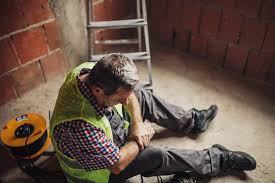
Every year, thousands of people in the U.S. experience accidents that leave invisible marks. Car crashes. Ladder falls. Horseback riding injuries. Some walk away feeling lucky—until the symptoms start creeping in.

Lingering headaches. Jaw tension. Brain fog. Dizziness. Chronic neck and back pain. For many, these symptoms don’t show up right away—and when they do, conventional medicine may not offer full relief.

That’s where Craniosacral Therapy (CST) comes in.


Accidents Are More Common Than You Think

  • Over 6 million car accidents happen in the U.S. every year. Even minor fender benders can cause whiplash or head injuries.

  • 500,000+ people are injured annually in ladder falls.

  • Horseback riding leads to 100,000+ injuries a year—many involving the head, neck, or spine.

While emergency care addresses broken bones and life-threatening trauma, many people are left with unresolved tension or dysfunction that lingers long after the body appears “healed.”


Traditional Medicine Offers Essential—But Sometimes Incomplete—Relief

After an accident, most people turn to:

  • Pain relievers (NSAIDs, muscle relaxants)

  • Physical therapy

  • Rest or immobilization

  • Imaging and diagnostics (MRIs, CT scans)

These treatments are critical. But for people experiencing post-concussion symptoms, chronic headaches, or nervous system overload, the path to recovery can feel frustratingly slow—or stalled.

Migraines, tension headaches, jaw pain (like TMJ), and hypersensitivity can persist long after scans show “nothing wrong.”


Craniosacral Therapy: A Gentle Support for Deeper Healing

Craniosacral Therapy works with your body’s natural rhythm to release tension stored in the central nervous system. Using a light, therapeutic touch—no more than the weight of a nickel—a trained CST practitioner listens to subtle patterns in the body and helps unwind areas of restriction or shock.

CST may help:

  • Reduce headaches and migraines

  • Ease neck and jaw tension after whiplash

  • Support post-concussion recovery

  • Calm the fight-or-flight response

  • Improve sleep, mood, and focus

Unlike forceful manipulations or invasive treatments, CST creates a safe space where your nervous system can reset and self-correct—especially helpful when trauma is still “held” in the tissues.


What the Research Says

A growing body of studies supports CST’s role in pain and trauma recovery:

  • One clinical trial showed reduced pain and frequency of migraines after CST compared to traditional massage.

  • Case studies report improvements in post-concussion symptoms, including dizziness, fogginess, and neck pain.

  • CST has been shown to help with cervicogenic headaches, which are often related to trauma in the neck area.

While more large-scale research is needed, evidence suggests CST can be an effective complementary therapy to traditional medical care—especially when symptoms persist beyond the acute phase.


You Don’t Have to Do It Alone

Healing takes time. Especially after trauma.

It’s normal to feel frustrated when you’re not getting answers—or when others say “you should be fine by now.”

Craniosacral Therapy offers another way.   With a Craniosacral Therapist who meets your body where it is, listens deeply, and supports you gently back into balance.


Ready to Explore a Different Path?

If you’re still hurting after an accident, you’re not alone—and you’re not broken. Your body may just need the right kind of support to fully let go of what it’s been holding.

Reach out today to learn how Craniosacral Therapy can help you reconnect, recover, and reclaim your sense of well-being.

Sharon Hartnett CST-D

614 653-8111

To learn about my Craniosacral Therapy services, visit my main page here


How Pain and Fear Can Lead to Healing and Wholeness

How Pain and Fear Can Lead to Healing and Wholeness

healing emotional pain and fair

It’s easy to push pain and fear aside—but when we turn toward them with compassion, we open the door to true healing.

Pain gets a bad rap. Truly, it does. But so does fear.
Who wants to voluntarily feel either of those?

The truth is, both are messengers—part of our inner guidance system—and they play an important role in healing emotional pain and fear. These sensations are not signs of weakness. They are invitations into deeper awareness, vulnerability, and ultimately, transformation.


Pain: More Than Just “Ouch”

Most people think of pain as an unpleasant experience—and it is. It’s the nervous system’s way of saying, “Something isn’t right.” Whether the wound is physical, emotional, or even energetic, the message is the same: pay attention.

Pain is also deeply personal. No two people experience it the same way. But when we stop resisting it and begin to listen, pain becomes something more—it becomes a doorway. A chance to come home to the places in us that have been neglected or pushed away.


Fear: A Powerful Instinct That Can Be Healed

Fear often gets lumped in with weakness, but it’s actually one of our most ancient protectors. It’s rooted in survival. For humans—who are social animals—fear helps us detect danger, avoid harm, and stay connected.

But here’s the twist: when fear becomes chronic, it holds us hostage. Instead of protecting us, it keeps us stuck. That’s where emotional healing comes in—not by overriding fear, but by slowly and gently meeting it.


Healing Emotional Pain and Fear: A Path Through the Body

In my practice, I often support clients through craniosacral therapy and somatic healing—both gentle methods that invite the body to relax, unwind, and return to its natural rhythm.

When the body feels safe, it stops defending.
When it stops defending, it starts integrating.
And when integration happens, the healing begins.

Through this process, people begin to heal emotional pain and fear not by numbing or avoiding, but by allowing themselves to feel. Over time, they become more grounded, more whole, and more connected to their true selves.


You Don’t Have to Walk This Path Alone

Healing fear and pain isn’t linear. It unfolds in layers. Sometimes, it’s messy. Often, it’s uncomfortable. But it’s also real—and freeing.

If you’re in Columbus and you’re ready to explore what healing can feel like in a safe, nurturing environment, I’d be honored to walk with you.

Your body holds the wisdom.
Your fear holds the key.
Your pain holds the map.
Let’s listen together.

Sharon Hartnett CST-D

614 653-8111

Located in Worthington, Ohio-Centrally located in the Columbus area.

To learn about my Craniosacral Therapy services, visit my main page here