(614) 653-8111 Sharhartnett@aol.com
Concussion Health with Craniosacral Therapy Glial Work

Concussion Health with Craniosacral Therapy Glial Work

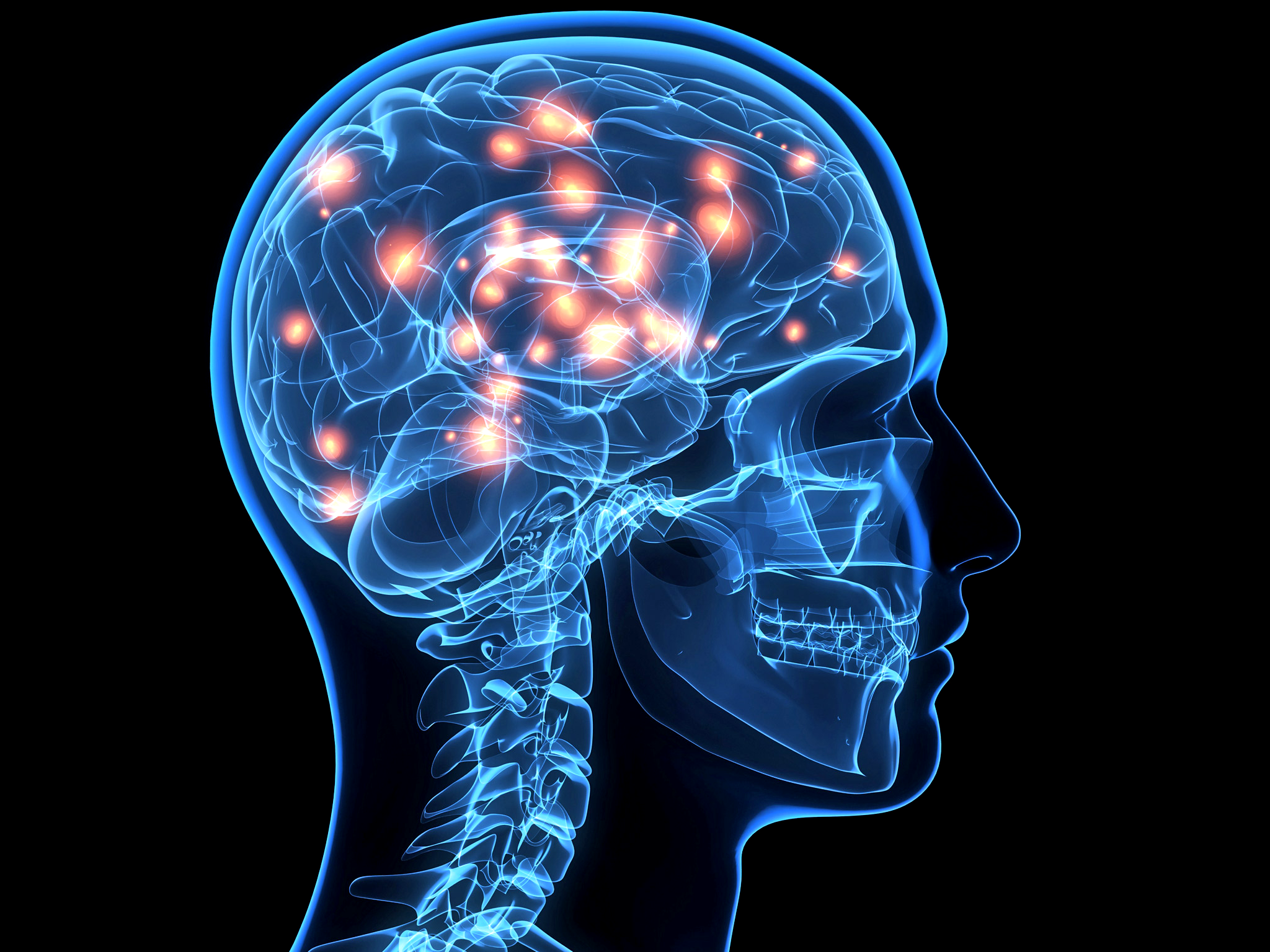
A concussion is a traumatic brain injury caused by a fall, a blow, or a jolt to the head.

A concussion is not something to take lightly. I know. After treating many people for concussions, I found myself facing my own. I fell off my horse, landed on my back and buttocks, and hit my head. Fortunately I was wearing a good helmet. Since then I’ve rested a great deal — stopped most reading and writing for two weeks and took a break even from television. My doctor said the best thing I could do was lie in bed and close my eyes. I did the best I could, and it’s finally paying off. In the last few days I’ve been applying craniosacral techniques to myself and have noticed an even better rate of improvement — enough to think clearly and write this short post.

I didn’t lose consciousness, but I did lose my steadiness, and I got headaches for a while whenever I overdid it. I’m so happy to be feeling better every day. Most people fully recover from a concussion, but some don’t, especially after multiple injuries. So please take your health seriously. See a physician if you have any concern that you’ve had a concussion, and make self-care your priority. If you’re not sure what to watch for, I’ve written a guide to post-concussion symptoms and support.

Glial cells and craniosacral therapy for concussion

Craniosacral Therapy With a Focus on Glial Cells

I’m setting up appointments with a peer who does craniosacral therapy and who also knows how to work specifically with the glial cells. Why glial cells? It’s becoming better understood that glia play a very important role in how the brain functions. In a class I took from Tad Wanveer, an Upledger therapist and teacher, I learned that through light biomechanical intention, dialogue, and touch, an experienced therapist can create real improvements in how the brain works. As Tad explains in his book Brain Stars: Glia Illuminating Craniosacral Therapy, glia are much more than “glue.” They play an integral part in:

  • Central nervous system development
  • Maintaining homeostasis
  • Supplying nutrients and oxygen
  • Synapse formation
  • Healing injured neurons
  • Sensory and motor signaling
  • Cleansing the central nervous system
  • Producing cerebrospinal fluid
  • Immune response in the brain
  • Insulation and flow regulation
  • Memory processing
  • Destroying and removing waste

If the glia become overstressed, or the environment they live in turns toxic, the whole central nervous system suffers. The good news is that the glia can be touched and supported in ways that help repair and speed the healing process.

As Tad writes: “Glial cells and neurons form an interdependent structural and functional system throughout the CNS that is fused with the Craniosacral System. This fusion takes place where glial cells attach to the pia mater membrane, the innermost membrane layer of the craniosacral system. It interconnects with the other membrane layers (meninges), and these layers connect to the bones of the cranium and spinal column. This bone-to-membrane-to-glial matrix is a dynamic biomechanical pathway CST practitioners can use to help their clients correct nervous system dysfunction.”

In that class I learned to touch into many parts of the brain and spinal cord. By listening and identifying through the different layers, you come to appreciate the body’s innate ability to self-correct from a deep well of wisdom within. It’s very possible to feel into structural and physiological restrictions, find a balance point for correction, and create better flow and drainage. In a more optimal environment, it’s much easier for the brain and spine to heal. I go deeper into this in Craniosacral Therapy for Brain Health.

It’s a bit ironic that my recent focus has been working more and more with people who have concussions and TBIs — and here I sit, healing from my own. But I feel very confident in the results I’ve had with others, in my ability to work with myself, and in the incredible experiences I’ve had receiving this work from other therapists. I know I’m getting better. I’m back to a light caseload (craniosacral work is not hard on the body or mind), and enjoying the small miracles of each session.

If you’re stressed about a concussion, please take seriously that rest and healing come first. But I’m here to tell you there are integrative therapies your doctors may not know about. Craniosacral therapy is a hands-on approach grounded in science and experience that has helped countless people. At the Upledger Foundation you can read about the work being done to help football players heal and feel better.

If you’re in the Columbus area with a concussion, give me a call — I’m happy to offer a free 15-minute phone consultation. And if you were hurt in a fall or a crash, my post on still hurting after an accident may help.

I can’t wait to get my hands back on the work!

Ready to feel better? I’m Sharon Hartnett, a Diplomate-Certified Craniosacral Therapist (CST-D) through the Upledger Institute, with about 30 years of experience listening to the body and helping it heal. My office is in Worthington, Ohio, and I serve the greater Columbus area.

If you’re curious whether this gentle work is right for you, I offer a free 15-minute phone consultation. Call or text me at (614) 653-8111.

Learn more about craniosacral therapy for post-concussion recovery, read answers to common questions about craniosacral therapy, or find out how to choose the best craniosacral therapist for you.

Communicating the Value of CST

Communicating the Value of CST


Communicating the Value of CST

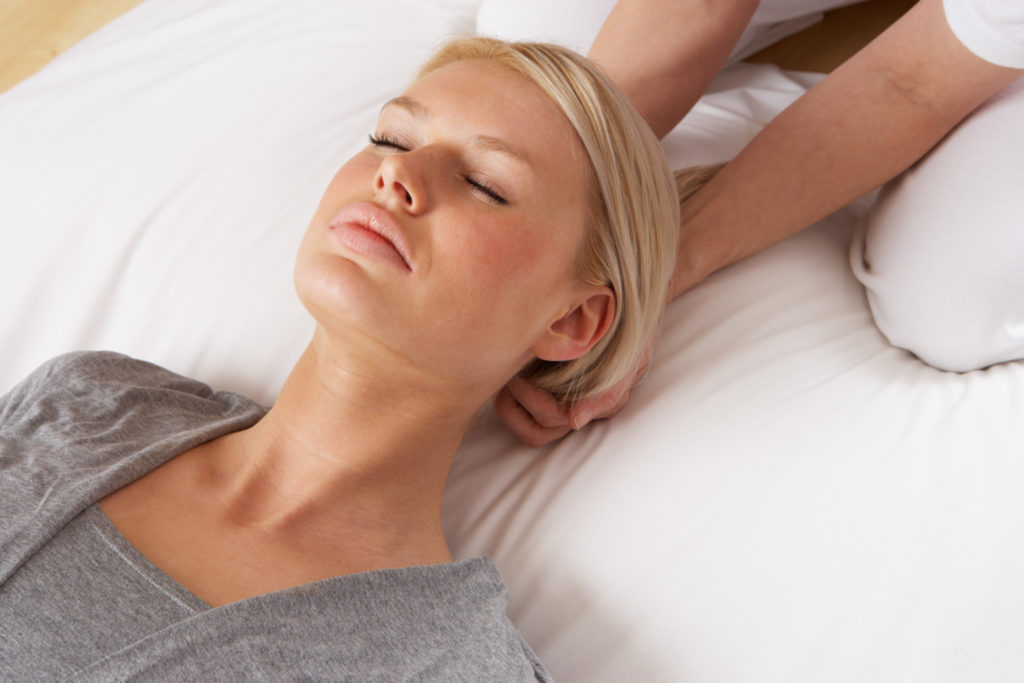
People who come in for a Craniosacral Therapy Session are often looking for corrections to their bodies such as with balance, healthy motion and dialogue. What they often leave with is a sense pain relief, more freedom in movement, and a sense of better grounding.

What makes a session helpful to clients is that they feel like their concerns are heard and that their therapist can speak the same language verbally, but also with their presence and hands.

In my experience, for the best results, the therapist is listening from moment to moment  as to what the body is saying.  As a client, I can really feel the difference when I am touched as to the quality of connection.  So when I work, and teach other therapists, I offer this teaching as one of the most important guide posts to providing a valuable session.

Once this criteria is met, techniques come into play that can help the body to self-correct in the most gentle way. With Craniosacral Therapy, the touch is so light, that it feels like a whisper on the skin that nourishes and promotes efficiency and wellness.  This is why it is such a wonderful therapy for ages from infancy to working with seniors.  Almost all people can receive this type of work easily.

A trained Craniosacral Therapist will check the motion of how the cerebrospinal fluid is moving through the Craniosacral System (CSS).  What he or she will feel are the flexion and extension phases that are constantly providing information to the therapist about any restrictions or dysfunctional patterns in the system itself, or with fascia and other parts of the body.

Once the pattern expressions are presented, the therapist listens, follows, and encourages gentle changes to help with symmetry, amplitude, rate and quality.  This can have a great impact on how the CSS  functions.  When the Cerebrospinal Fluid (CSF) can flow freely, it allows the nerves to function more optimally.  Without getting into too much detail,  the clients often feel more balanced, at peace, and more centered after a session.

Craniosacral Therapy

CST

I have been a Massage Therapist and Bodyworker for about 20 years.  In the last 10 years, I have refocused much of my work into the field of Craniosacral Therapy, SomatoeEmotional Therapy, Brain Work and Visceral Manipulation because the effects are profound and yet the touch so tender and precise.

I have learned so much at the Upledger Institute because I value their contribution to the wellbeing of so many people across the globe.  One man, Dr. John Upledger, explored into an unknown frontier and brought this science based medical work to hands on practitioners to bring health and joy back into individual lives. I have seen dramatic changes for people with chronic pain and energy issues, to people recovering well from TBI’s and concussions,  back and and neck pain relief, fibromyalgia relief just to name a few conditions.

I don’t think that anyone can quite explain what a session is like. Yes, I could say that you come in fully clothed and you are touched this way or that.  But hardly anyone expects how great they feel by the end of the session.  This work goes beyond a gentle one hour treatment.  Its reaches go deep into the cells along with the mind connection there.  It simply is bliss.  And the changes continue to happen for days, and often times longer.

As with most types of massage and bodywork, each client is unique.  And each will have a different experience.  One person may feel huge shifts the first time, and others- well it may take them some time to really relax.  But most often they do, and people often discover new sources of tranquility, energy and a sense of Self.

So that is my take on Craniosacral Therapy at this point in my practice.  I love the work.  I love practicing it, and I love receiving it.  It has helped me on so many levels: physically, emotionally, in my heart and with spirit. And I have been blessed to help others with it.

If you would like to learn more, or have some questions about Craniosacral Therapy, I do offer a free 15 telephone consult.  I love to share this work, and hopefully I have educated and imparted an idea of how it can help you.  I haven’t found one person yet who hasn’t found some benefit in CST.

Sharon Hartnett Craniosacral Therapist Columbus

614 653-8111

Serving the Columbus, Ohio Area

For information, go to my main page. 


Traumatic Brain Injury

Traumatic Brain Injury

Traumatic Brain Injury (TBI) is caused by an external mechanical force that enters the brain.

The effects can be dramatic for a person who has been faced with a head trauma impairment. Life can be changed in an instant.  Different stressors can cause physical damage, behaviors and emotional imbalances, impacting decision making, day to day activities and one’s future.  TBI’s can even lead to death.  So, head injuries need to be taken seriously.

Craniosacral Therapy

Craniosacral Therapy

Based on the level of the injury,  with a physician approval, it might benefit you if you have be diagnosed with TBI to see a Certified Craniosacral Therapist, to help you to heal.  In my practice, I have worked with clients who have had concussions/TBI’s that resulted in complex disabilities, who have eventually found  great relief.   For example, in the last year, I had a client come in who had fallen and hit her head.  It was difficult for her to think clearly, or to verbalize thoughts and memories. Fogginess and problems with balance kept her fearful  or uncomfortable in living her life fully.  After 10 sessions, she recovered almost back to normal.  Following,  she studied yoga, and threw herself into study in areas that she enjoyed.  Now she is doing great.  Others who have come on to my table, have felt a complete sense of quiet and peace from a brain that otherwise stays in fight or flight. Working with the cerebral spinal fluid and pressure in the cranium can be quite the relief.  However, depending on the severity of the neurological damage, it may take more rather than less sessions.  I say this upfront because brain injury can take a while to improve.  Although, I have seen that there is usually positive change each session.

Because I have witnessed success with my clients using Craniosacral Therapy, I decided to specifically study working with the Glial Interface through using biomechanical force specifically in the brain.  Through the Upledger Institute,  I have learned to touch into the neuroglia complex to support deep healing both structurally and functionally.  The teaching of this method was created by Tad Wanveer, who is now getting ready to present his work at Harvard.

I have to say that while I am certified at the highest Diplomate level at the Upledger Institute in Craniosacral Therapy, this new way of touching into the brain, blew me away.  After experiencing the work myself,  my brain and spine continued to shift and heal for many days after the class.  By relieving strain patterns, I felt my central nervous system reach a balanced state I hadn’t felt in years.

As such,  I have been offering the Brain Work to my clients.  It is as if it has taken the craniosacral work to a whole new level.   The therapeutic intention to  touch, feel, and support the CNS and PNS glial cell patterns is a powerful tool to help the body self-correct.  The only way to experience the benefits is to come in for a session.  If you have had a TBI and haven’t recovered completely, why not give me a call.  I would love to help you in your healing journey.

My goal is to help you find a way to live with good health and the ability to feel joy again.

Sharon Hartnett Craniosacral Therapist Columbus

614 653-8111

Serving the Columbus, Ohio Area

For information, go to my main page. 


SomatoEmotional Release CST

SomatoEmotional Release CST

SomatoEmotional Release (SER) is just what it means…

Somato means relating to the human body.

Emotional is characterized by intense feelings.

Release is freedom!

What is different about SomatoEmotional Release Work with Craniosacral Therapy that other therapies?

With Craniosacral Therapy, the therapist focuses on the myofascial tissues, but primarily on the Craniosacral Rhythm as a guide to help release restrictions in the body that maintain stress patterns. As we listen intently to the quality, symmetry, rate and amplitude of the rhythm, we ask the Inner Physician within to lead the way to self healing and self discovery.  This often leads us into disorganized energy and tissues, and possibly into a layer of emotions.  An experienced Craniosacral Therapist will then gently encourage its expression to release the body into more freedom and mobility. Many other types of possible therapy might be either massage or psychotherapy.  SER in particular, while it is not psychotherapy, allows for the mind, body and spirit to reconnect and bring more balance and awareness on many levels.

Craniosacral Therapy

Craniosacral Therapy Columbus

Craniosacral Therapy is a very gentle type of therapy that focuses on connection with the central nervous system. Often people who are feeling overactive internally will feel quiet and calm. Others who feel lethargic pick up energy as they come closer to equilibrium. SER, with it full spectrum experiencing, gives space for the unfolding of blocked patterns into expression and presence.

If you feel like your emotions are stopping you from relaxing and enjoying your life, or that the tension in your body is causing pain, SomatoEmotional Release work may be just the right thing for you.

Sharon Hartnett Craniosacral Therapist Columbus

614 653-8111

Serving the Columbus, Ohio Area

For information, go to my main page. 


5 Tips for Neck Pain Relief

Finding Neck Pain Relief


Neck pain is one of the most common reasons people come to my office, and it’s rarely just about the neck. Here are the tips I share most often with my clients.

1. Get Hands-On Bodywork

When your neck is bothering you, regular bodywork is part of taking care of yourself, not a luxury. Massage can ease muscle tension and help you feel more at ease in your body.

Craniosacral therapy is a gentle, light-touch approach that many clients find deeply relaxing. Using very light pressure at the head, neck, and sacrum, I help release tension in the surrounding tissues and support your body’s natural ability to settle into a calmer state. Many people with neck and shoulder tension tell me they leave feeling lighter and more relaxed. Craniosacral therapy is a complement to, not a replacement for, medical care.

Look for a licensed therapist with good reviews and training in the approach you want.

2. Try a Neck and Shoulder Relaxer

I’ve used Dr. Riter’s Real Ease with clients and on myself, and we all find it comfortable. It relaxes the neck muscles, and my whole body tends to follow. I have no financial connection to the product. See it on Amazon.

3. Look at the Whole Body, Including Your Hips

Neck pain doesn’t always start in the neck. Pelvic and spinal alignment can affect how your head and shoulders are held, and a healthy pelvic girdle and spine support a healthy neck. A chiropractor or other qualified provider, working together with soft tissue therapy, can help you improve your posture.

4. Fix Your Tech Posture

Almost every client who walks into my office these days has forward head posture. For every inch your head drifts forward, your neck muscles work harder to hold up its weight. Some simple fixes:

  • Raise your phone to eye level instead of bending over it
  • Prop up your laptop or monitor so the top of the screen is at eye level
  • Invest in an ergonomic chair and workstation
  • Take a movement break every 30 minutes

5. Choose the Right Pillow

Few things are worse than waking up with a stiff, painful neck. A supportive pillow that keeps your head level with your spine makes a big difference. I sleep on my back, and I found a good one at Brookstone, though there are many good brands. My chiropractor also recommended chiropractic pillows from Scrip-Hessco.

When to See a Doctor

Neck pain is common, but that doesn’t make it easier when it hurts. If your pain lasts more than a week or two despite heat or cold, see a physician. Seek care promptly if you have numbness, tingling, or weakness in your arms, pain after an injury, severe headaches, or fever with a stiff neck. Neck issues shouldn’t be ignored, so be proactive about your health.

Ready for relief? Book a massage or craniosacral therapy session in Columbus, Ohio.

Sharon Hartnett, LMT
📞 614-653-8111
🌐 www.craniosacraltherapistcolumbus.com


Healing Sexual Abuse with Craniosacral Therapy

Healing Sexual Abuse with Craniosacral Therapy

Statistics say that 1 in 5 girls and 1 in 20 boys have suffered sexual abuse.

Many victims of abuse stay quiet about their experience.  Isolation often leads them to feeling low self-esteem, and frightened about contact.  It’s time to change that.

Craniosacral Therapy

Craniosacral Therapy

Recovering from sexual abuse is an individualized process that is done with hope and help.

If one can only imagine after suffering sexual abuse in silence, what it would take to step out and commit to the healing process, know that resources are available.

Craniosacral Therapy can be very helpful if only for its therapeutic presence. Yet it is also a very gentle hands on therapy that is done with respect and in a neutral state of Being.This allows clients to have an experience of touch that is without judgment, where they can feel into their emotions and let go of residual trauma.This often takes many session to build trust, and to work with the Inner Physician within the client through mindfulness and self-discovery. This is not an advice type of psychotherapy, but rather a bodywork exploration into the senses, and feelings that come up organically within the bodywork context. By working with the Craniosacral Therapy rhythm, the therapist can monitor and support the Central Nervous system to balance and integrate.

Sharon Hartnett LMT has worked with clients with this modality in conjunction with psychotherapists to support self-discovery. Clients have learned to identify and build healthy boundaries, to self-regulate and move through their trauma at their own pace and time. Everything is done with respect and organic movement. There is no need to accomplish or go for a goal, but rather to allow the process to unfold in its own way.  Everyone deserves to feel safe in their body.

If you are feeling stressed and and feel like you would like to try this CST,  call Sharon Hartnett CST-D for a free 15 minute consultation.

FAQ Page

Sharon Hartnett CST-D

Worthington, Ohio|Serving the Columbus Area

614 653-8111

To find out more about Craniosacral Therapy, check out my main page.