(614) 653-8111 Sharhartnett@aol.com
What a Craniosacral Therapist in Columbus Really Does

What a Craniosacral Therapist in Columbus Really Does

Craniosacral Therapist Columbus

What a Craniosacral Therapist Does: Listening Beyond Words

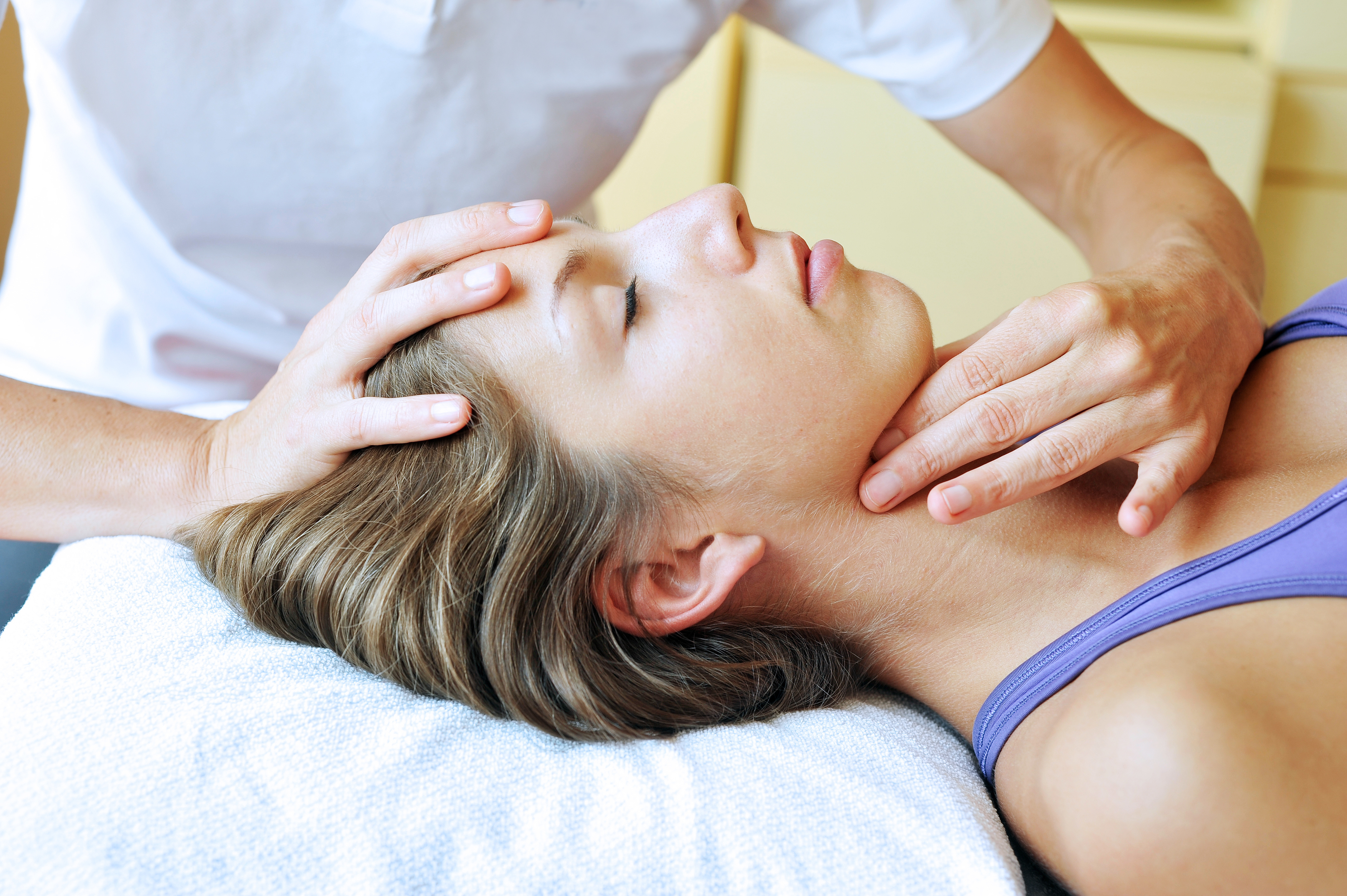
A craniosacral therapist in Columbus, Ohio supports healing through both presence and technique. Craniosacral therapy (CST) is not energy work, though many people notice energy shifting as the body releases and reorganizes. It is gentle, hands-on work guided by deep listening, and its focus is the craniosacral system.

With finely tuned sensitivity, a craniosacral therapist feels the craniosacral rhythm, a subtle wave associated with the movement of cerebrospinal fluid. Practitioners understand this rhythm as carrying valuable information about the body’s state of balance.

How Craniosacral Therapy Works with Bones, Fascia, and Fluids

Craniosacral therapy involves gently connecting with the bones of the cranium, spine, and sacrum. By following the body’s cues rather than forcing change, the therapist helps release restrictions that limit fluid motion and structural balance.

Fascia, the connective tissue that weaves throughout the body, often softens and responds. Cerebrospinal fluid may begin to move more freely. Tissues surrounding the organs can also gain more space when nearby restrictions release, which many clients experience as greater ease throughout the whole system.

Supporting the Body’s Natural Correction

The focus of craniosacral therapy is always the craniosacral rhythm. By releasing restrictions that interfere with its expression, the body can naturally find better balance. Sometimes this work also reduces strain around the lungs, heart, or other organs, not by directly treating those rhythms, but by removing barriers so the body can self-correct. The tissues recognize this freedom as nourishment, allowing release and deeper integration.

CST is not only about easing pain or restriction. It is about bringing resonance back into the body, creating space for the nervous system to reset, and supporting the deep human need for connection and healing.

Benefits of Seeing a Craniosacral Therapist in Columbus, Ohio

When tissues are freed and the craniosacral rhythm moves more easily, many clients report that they:

  • Release tension and long-held restrictions
  • Experience improved nervous system regulation and resilience
  • Feel less strain in structures surrounding the organs
  • Notice more natural balance in the musculoskeletal system
  • Find that changes hold more deeply over time
  • Feel a deeper sense of calm, presence, and wholeness

A Different Kind of Healing Relationship

Craniosacral therapy is not about doing to the body, but listening with it. By creating resonance and supporting the body’s innate intelligence, a craniosacral therapist in Columbus, Ohio helps restore motion, balance, and ease. Where there is motion, there is life.

Craniosacral Therapy Training

Interested in going deeper? Craniosacral therapy training teaches practitioners to develop the palpation skills and listening presence at the heart of this work.  I am a Certified Diplomate Craniosacral Therapist, tested through the highest level rigorous trainings at the Upledger Instititue. If you are exploring craniosacral therapy training in Ohio, contact me with your questions.  I also lead study groups on occassion.

Frequently Asked Questions About Craniosacral Therapy:

How do I become a craniosacral therapist?

Becoming a craniosacral therapist typically starts with craniosacral therapy training through a recognized program. Most programs teach anatomy, palpation skills, and hands-on technique, usually in levels or modules that combine classroom study with supervised practice. Many students already work in massage therapy, bodywork,  dentistry, nursing, physical therapy, or another health-related field, though requirements vary by school. Check your state’s licensing rules, since regulations for bodywork differ from place to place.

Personally my training was through the Upledger Institute which I chose for its professionalism and quality classes.  I have taken over 25 courses, including Visceral Manipulation and in some other areas of interest.  I also am a Teacher Assistant and do mentor students locally.  On occasion, I also provide Study Groups that are approved through the Upledger Institute.

What happens in a craniosacral therapy session?

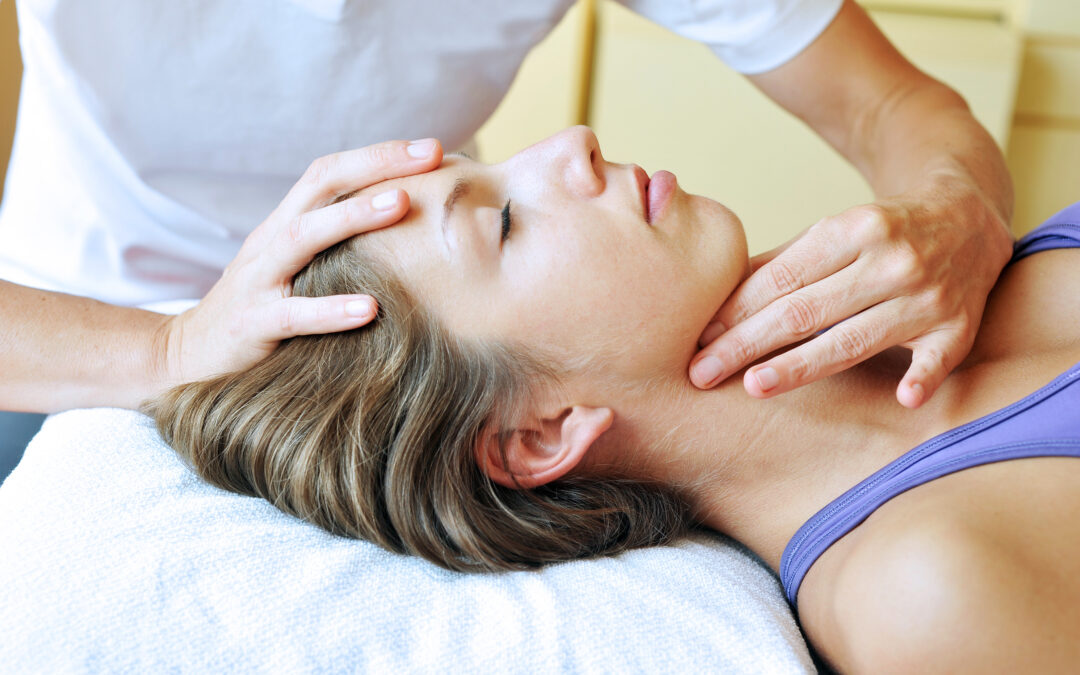
You stay fully clothed on a treatment table while the therapist uses a very light touch on the cranium, spine, and sacrum.  Although the rhythm can be felt from anywhere on the body.  Sessions are quiet and relaxed, and many clients feel deep calm during or after.

Is craniosacral therapy the same as energy work?

No. Craniosacral therapy is gentle, hands-on work guided by listening to the body’s craniosacral rhythm. Some people notice energy shifting, but the work focuses on tissues, fascia, and fluid motion.


Sharon Hartnett, Craniosacral Therapist
Serving the Columbus area
📞 (614) 653-8111
Learn more about my craniosacral therapy services →

The Healing Power of Touch: Craniosacral Therapy Columbus

The Healing Power of Touch: Craniosacral Therapy Columbus

The healing power of touch: Columbus, Ohio

The Healing Power of Touch: How Craniosacral Therapy Supports Whole-Person Wellbeing in Columbus, Ohio

The Healing Power of Touch

The world today feels divided and stressful for many people. Yet something as simple as gentle, intentional touch can open the door to deep healing. Craniosacral therapy is a hands-on approach that goes beyond physical pain relief — it supports emotional balance, nervous system regulation, and a sense of being truly seen and known.

Why Touch Matters

Touch is one of the first senses we develop. It’s essential for healthy development, calming the body, and fostering human connection. When offered with presence and compassion, touch communicates safety. It helps unwind stored trauma, soften chronic tension, and restore a person’s sense of wholeness.

Many of my clients describe a deep sense of relief when they feel gently met — without pressure, fixing, or judgment. Just being held in a field of care allows something deep within them to relax.

How Craniosacral Therapy Works

Craniosacral therapy works with the craniosacral system — the membranes and fluid surrounding the brain and spinal cord. Through light touch, this work helps the body shift out of “fight or flight” into a state of rest, healing, and integration. I go into the details in What Does Craniosacral Therapy Do?

People often describe feeling:

  • More grounded and calm
  • Reconnected to themselves
  • Lighter, clearer, and more emotionally centered

What the Research Shows

Growing evidence supports the healing benefits of compassionate, therapeutic touch:

  • Reduces cortisol (the stress hormone)
  • Enhances parasympathetic activity (the rest-and-digest response)
  • Improves emotional regulation and lowers anxiety
  • Increases heart rate variability — a marker of nervous system health

These physiological shifts create space for emotional healing, trauma resolution, and deeper self-connection. For people carrying chronic pain or recovering from an accident or injury, that shift is often where real change begins.

A Safe, Compassionate Space for Healing

At Lighten Up Therapies in Worthington, serving Columbus, Ohio, I hold a space that is gentle, trauma-informed, and grounded in decades of training and experience. Craniosacral therapy is more than a technique — it’s a way to return to your own inner wisdom and natural rhythm.

Whether you’re dealing with stress, trauma, chronic pain, or simply a desire to reconnect with yourself, this work offers a pathway toward balance and resilience.

Ready to Experience the Power of Gentle Touch?

If you’re curious about how craniosacral therapy can support your healing, I invite you to reach out for a free 15-minute phone consultation. Ask questions, learn more, and see whether this gentle work is a good fit for you.

Ready to feel better? I’m Sharon Hartnett, a Diplomate-Certified Craniosacral Therapist (CST-D) through the Upledger Institute, with about 30 years of experience listening to the body and helping it heal. My office is in Worthington, Ohio, and I serve the greater Columbus area.

Call or text me at (614) 653-8111 to schedule your free consultation.

Learn more about craniosacral therapy in Columbus, read answers to common questions about craniosacral therapy, or find out how to choose the best craniosacral therapist for you.

Craniosacral Therapy for ADHD:Gentle Treatment that enhances Focus

Craniosacral Therapy for ADHD:Gentle Treatment that enhances Focus

Finding Calm and Focus: How Craniosacral Therapy Supports People with ADHD

Living with ADHD can feel like your mind and body are always on the go. Thoughts race ahead, focus slips away, and it’s hard to find a moment of true calm. Medication and behavioral tools help many people, but some are also looking for a more natural way to settle the nervous system and feel grounded in daily life. That’s what I offer in my Worthington office, serving the Columbus area.

What Is Craniosacral Therapy?

Craniosacral therapy is a gentle, hands-on approach that works with the body’s deepest rhythms. Using a very light touch, I listen to subtle motions in the tissues and fluids around the brain and spinal cord, helping release tension and restore balance to the central nervous system. If you’d like the fuller picture, I explain it in How Does Craniosacral Therapy Work?

Why This Matters for ADHD

ADHD isn’t only about attention; it’s about how the nervous system regulates itself. Many people with ADHD feel restless inside, as if the body can’t fully settle. Craniosacral therapy helps by:

  • Calming the nervous system. Gentle touch signals safety, helping the body shift from constant alertness into deeper relaxation.
  • Releasing hidden tension. The body often holds tightness in the head, neck, and spine that adds to mental overwhelm.
  • Creating grounded presence. Sessions bring a sense of stillness and connection, making it easier to focus and feel centered.
  • Supporting self-regulation. Over time, people find it easier to reach this calm state on their own.

This is the same nervous-system work I describe in Craniosacral Therapy for Brain Health — ADHD simply calls for a particularly patient, steady touch.

What People Experience

Clients often leave a session feeling deeply relaxed and clear-headed. Some describe it as if the mental “static” has quieted, so thoughts come through one at a time instead of all at once. Parents tell me their children seem calmer and more settled afterward, which can make daily routines, homework, and transitions easier. Children and teens do well with this work because the touch is so light, and parents are always welcome in the room.

Is It a Standalone Treatment?

No. Craniosacral therapy isn’t a replacement for medical care or other therapies. It’s a supportive practice that works alongside what you’re already doing, giving body and mind an extra layer of ease and integration. For many families it pairs well with body-centered somatic work.

A Final Thought

ADHD can make life feel scattered and overwhelming. Craniosacral therapy offers a gentle pathway back to stillness. It’s not about changing who you are. It’s about helping your system find its natural rhythm, so you can move through the world with more clarity and peace.

Ready to feel better? I’m Sharon Hartnett, a Diplomate-Certified Craniosacral Therapist (CST-D) through the Upledger Institute, with about 30 years of experience listening to the body and helping it heal. My office is in Worthington, Ohio, and I serve the greater Columbus area.

If you’re curious whether this gentle work is right for you or your child, I offer a free 15-minute phone consultation. Call or text me at (614) 653-8111.

Learn more about craniosacral therapy in Columbus, read answers to common questions about craniosacral therapy, or find out how to choose the best craniosacral therapist for you.

Imagine a Better World

Imagine a Better World

Creating a Better World Starts Within

It’s easy to look at the world and wish it were different. Kinder. More peaceful. More connected.

But what if creating that world doesn’t start out there?

What if it starts right here – within you?

Every time you choose to listen with compassion instead of reacting in anger, you create a small shift. When you speak with honesty and kindness, you create trust. When you soften your judgments and open your heart, you create space for healing.

These choices may seem small. But together, they become a ripple.

Your relationships change. Your community feels it. The world feels it.

We often forget how much power we hold to create change. Not by controlling others, but by becoming the person we wish everyone else would be.

Imagine the world you long for. Feel it in your body. Live it in your daily choices.

Because creating a better world starts within you… and then expands outward, touching everything you’re connected to.

You are that powerful.

As a Craniosacral Therapist and Healer for close to 30 years, I see the need that is here right now.  Especially for women.  To find this sense of power.  To feel it in the bones,  To move with the body.  Let this mindful work help you to discover your deepest truth.

Sharon Hartnett CST-D through the Upledger Institute and Barbara Brennan Energy Healer/Reiki

 (614) 653-8111

Text: To learn about my Craniosacral Therapy services, visit my  my Main Page Here.   Link

Serving the Greater Columbus Area.

The Ripple Effect of Kindness…..

Deep Healing Shifts That Unfold Gradually with Craniosacral Therapy in Columbus

Deep Healing Shifts That Unfold Gradually with Craniosacral Therapy in Columbus

Being Real with Sharon

Healing Is an Inside Job — It Expands Over Time, Usually Through Slow Change

Don’t Rush Healing. It Won’t Work. Healing Takes Time.

Do you expect immediate healing results? Welcome to the club. I’ve seen so many people come into my office expecting a lot from the first session. Often they’ve tried many healing modalities and nothing worked. Understandably, they’re disappointed, and they’ve learned to give up quickly.

The thing is, healing does work. The body has its own ability to self-correct, and it often comes back to equilibrium. The best time to begin a healing process is the moment something goes awry — act right away. That can mean rest, seeing a physician, seeing a craniosacral therapist, eating well. Whatever is needed to balance the body and move it closer to health and wellbeing.

The longer a person waits, the more the mind-body-spirit starts putting band-aids on the experience. Compensations begin. The intricate webbing of life, and the fascia along with every other internal system, reorganizes in a more sporadic, challenging way. That’s how chronic pain takes root.

With craniosacral therapy, the work is subtle. Some people don’t feel much in the first session. One reason is that pain or past experience keeps the mind from feeling deeply into an old habit or injury. It takes time for a relationship to develop and for healing to unfold — often many sessions. I explain what’s actually happening in those quiet sessions in What Does Craniosacral Therapy Do?

The gentleness, and being listened to through the body, may be a new experience. People may need to open to being held and supported. That sounds like it should be easy, but for many it isn’t. So many people live with anxiety; they don’t feel centered, safe, or secure with new sensations and feelings. What most of us need is to slow down, be heard, and have our bodies supported compassionately and with skill. That is the doorway into discovering our own healing abilities. I write more about that doorway in The Healing Power of Touch.

I like to remind people: it often took years, or a severe accident, to arrive at chronic or acute pain. It takes time to heal, too. Be patient with yourself. Breathe through it. Be kind to you, and be patient with the healing work you choose. It takes time to shift gears and wind down into healing mode.

I recommend at least four sessions just to see how your process shows itself. And remember, it doesn’t have to be painful, aggressive work that changes you. Sometimes it’s the opposite of anything you’ve experienced before.

As a craniosacral therapist, somatic healer, and energy healer for more than 30 years, I can honestly say there is an easier path. It isn’t always easy to navigate until you surrender into your own intention to heal. Your commitment is needed. You have to let the greater good direct your process. Like I said, it’s an inside job — but it isn’t meant to be done alone.

Ready to feel better? I’m Sharon Hartnett, a Diplomate-Certified Craniosacral Therapist (CST-D) through the Upledger Institute, with about 30 years of experience listening to the body and helping it heal. My office is in Worthington, Ohio, and I serve the greater Columbus area.

If you’re curious whether this gentle work is right for you, I offer a free 15-minute phone consultation. Call or text me at (614) 653-8111.

Learn more about craniosacral therapy in Columbus, read answers to common questions about craniosacral therapy, or find out how to choose the best craniosacral therapist for you.

Brain Healing Through Craniosacral Therapy: Manual Biomechanics for Individual Recovery

Craniosacral Therapy for Brain Health: Gentle Healing Through Mindful Touch

How I use Upledger craniosacral therapy and hands-on listening to support brain healing and a calmer nervous system — Worthington, Ohio, serving Columbus

So many of the people who come to see me are tired of being pushed, adjusted, and medicated. They’re looking for something gentler that still works. Craniosacral therapy (CST) is that. It works with the craniosacral system — the delicate membranes and cerebrospinal fluid that surround and protect your brain and spinal cord — using touch so light you may wonder whether anything is happening. Something is.

What the Craniosacral System Is

Your craniosacral system has its own slow rhythm, separate from your heartbeat and breath. It runs from the bones of the skull, face, and mouth all the way down to the sacrum at the base of your spine. Cerebrospinal fluid moves through it, nourishing the brain and spinal cord and carrying away waste. When that system is restricted — after a fall, a concussion, long stress, or old injury — the brain is living in a cramped, congested environment, and it shows up as headaches, fog, poor sleep, anxiety, and exhaustion.

How I Listen With My Hands

I use about the weight of a nickel. With that light a touch, after more than 30 years of practice, I can feel the gentle expansion and contraction of the cranial bones, the flow of the fluid, and the pull of the fascia throughout the body. I’m not correcting anything. I’m following what your body is already trying to do and giving it a quiet place to do it. I can pick up the rhythm anywhere on the body, and the Upledger 10-step protocol gives me a whole-body map to work from, but most of what I do is listen for where you’re held and wait for the tissue to let go.

A lot of the work happens in stillness. Some of the most powerful moments in a session are the quiet ones, when the body finds a stillpoint and reorganizes itself. This isn’t energy work — CST is grounded in anatomy and physiology — but the presence I bring to it matters as much as the technique.

What Craniosacral Therapy Does for the Brain

  • Better fluid flow and circulation. Releasing restrictions lets cerebrospinal fluid and blood move more freely around the brain, which is how the brain feeds itself and cleans house.
  • A calmer nervous system. The work switches on the parasympathetic “rest and repair” side of the nervous system, so the harmful effects of chronic stress on the brain start to ease.
  • Deeper sleep. Sleep is often the first thing clients notice improving, and sleep is when the brain clears and consolidates memory.
  • Emotional release. Stored tension — physical and emotional — has room to surface and settle.
  • Resilience. Working directly with the central nervous system helps it function better and bounce back faster.

Why the Relationship Matters

Your nervous system can’t heal while it’s on guard. The quality of attention I bring — gentle touch, no agenda, no force — gives your system permission to come down from high alert and into the state where repair happens. That’s why this work is so well suited to people recovering from trauma, chronic stress, or neurological injury, and why it’s safe for everyone from newborns to the elderly.

Every Brain Heals Differently

Some people feel a big shift in the first session. Others notice gradual changes over weeks. Some feel warmth or tingling on the table; others feel almost nothing until they realize a few days later that the headache didn’t come back. All of that is normal — it’s your body’s own intelligence leading the way, at its own pace.

In my practice I’ve seen craniosacral work support people with chronic headaches and migraines, fibromyalgia, and persistent musculoskeletal pain; people managing anxiety, stress, and trauma responses; and people recovering from concussions and mild traumatic brain injury who were still struggling with headaches, dizziness, fog, and emotional ups and downs long after the scans came back “normal.” Progress with brain work tends to be cumulative rather than dramatic, which is why I always start with an honest conversation about what to expect.

Why Certification Matters

Many practitioners take a weekend course and add “craniosacral” to their menu. There’s a real difference between that and a therapist who has spent years in advanced training, mentorship, and clinical practice. I’m Diplomate-certified (CST-D) through the Upledger Institute — the highest level available — because this work deserves that depth. When you’re choosing someone to work with your brain, ask about certification and ask how long they’ve been doing it.

Ready to feel better? I’m Sharon Hartnett, a Diplomate-Certified Craniosacral Therapist (CST-D) through the Upledger Institute, with about 30 years of experience listening to the body and helping it heal. My office is in Worthington, Ohio, and I serve the greater Columbus area.

If you’re curious whether this gentle work is right for you, I offer a free 15-minute phone consultation. Call or text me at (614) 653-8111.

Learn more about craniosacral therapy in Columbus, read answers to common questions about craniosacral therapy, or find out how to choose the best craniosacral therapist for you.