614 653-8111 Sharhartnett@aol.com
How to Develop a Good Plan for Stress Management

How to Develop a Good Plan for Stress Management

Stress Management

Who needs stress?

Well, stress can be beneficial.  It can help your performance in any part of your life if it is used in a positive way. However, chronic stress is a different matter. Long-term stress can be a major contributor to numerous health problems.

Fortunately, there are some tools that you can learn to help you stay healthy in your mind and body connection. Addressing stress as soon as possible can significantly shift your mindset. An intentional practice of committing to self-care can help avoid or minimize anxiety, depression, cardiovascular diseases and chronic pain.

If you haven’t already come up with a plan for stress managment, here are a few ideas:

  1. Mindfulness, prayer and meditation can help reduce cortisol levels and bring one to center. This is a practice of becoming fully aware in the moment through experience and observation.  Curiousity also helps set the stage for discovering inner peace.
  2. Holistic and Complementary practices like Craniosacral Therapy, Visceral Manipulation, Acupuncture have shown to be very helpful with stress management.
  3. Breathing Exercises can shift you more into a calm state.  One that I recommend is breathing in to a slow count of 4, exhale to 6 and pause. In your practice continue to lengthen the pause at the end of the exhale. Also, practice diaphragmatic breathing, imagining your breath filling the whole ribcage as it expands and contracts. Allow the breath to move all the way to the pelvic floor.
  4. Check with your physician about the Role of Nutrition:  omega 3, magnesium and certaine B vitamins support brain health, and help to regulate emotions.
  5. Sleep.  It’s so important to get enough rest.  When you sleep well your brain is able to clear through the glymphatic system.  This can help you to feel much better restored, and to heal.  A good sleep routine is imperative to good health.

Being in a Healing Practice for close to 30 years, I have seen so many people with chronic stress.I want you to know that it’s possible to step away from that. However, it does mean making a choice to change your life.  Your power comes in the form of doing things that bring you back to your balanced and healthy Self.

If you have any questions, how I can help you as a Craniosacral Therapist, I offer a free 15 phone consultation.

Sharon Hartnett CST-D

614 653-8111

Serving the Columbus Ohio Area

To find out more about Craniosacral Therapy, check out my main page.


    7 Ways That Craniosacral Therapy Has Helped My Clients Feel Better

    7 Ways That Craniosacral Therapy Has Helped My Clients Feel Better

    Feel Better with Craniosacral Therapy

    Craniosacral Therapy Benefits

    Many people report positive experiences with craniosacral therapy (CST), although the reasons for these experiences can vary. The therapy is often described as being deeply relaxing, and some individuals find it helpful for conditions like headaches, chronic pain, stress, anxiety, and even emotional release.  Overall, Craniosacral Therapy is a unique holistic healing journey that holds many benefits.

    Here are some of the most commonly reported positive experiences:

    1. Deep Relaxation and Stress Relief

    • Many people find CST to be deeply calming. The gentle, hands-on approach, combined with the melding of the slow, rhythmic nature of the therapy, helps to activate the body’s relaxation response in the Nervous System.. This can lead to a reduction in stress, muscle tension, and a sense of overall well-being.
    • People often describe feeling more relaxed after a session, with some even reporting feeling “lighter and more spaceious inside” along with being more grounded.

    2.Chronic Pain Relief

    • Some individuals with chronic pain conditions, such as neck pain, migraines, or back pain, have found relief through CST.  The gentle listening and the quiet nudge of support of the Craniosacral System can help alleviate tension in the body and promote the relaxation of muscles and fascia.
    • Patients with headaches, particularly those caused by tension or stress, sometimes report fewer headaches or a reduction in intensity after CST sessions.

    3. Improved Sleep

    • Many people say they experience better sleep after receiving CST, which could be related to the relaxation and stress reduction achieved during the session. Improved sleep quality may help individuals feel more rested and energized in the days following a treatment.  Sleep time is when the brain clears, so it’s important to also create good sleeping habits.

    4. Enhanced Emotional Well-being

    • Some people have reported emotional releases or breakthroughs during Somato-Emotional CST sessions. For instance, some might experience a surge of emotions or have a deeper sense of emotional clarity after a session. This could is related to the deep relaxation and the subtle bodywork when fascial tension leaves and the cranial rhythm comes to a stillpoint, which may help release pent-up tension or emotional blockages.
    • There are anecdotal reports of people feeling more emotionally balanced or having improved mood after CST, especially if they were struggling with stress, anxiety, or emotional trauma.

    5. Better Range in Mobility

    • For those with musculoskeletal issues, CST can help improve mobility and range of motion, particularly in areas where there is stiffness or restriction. People with conditions like temporomandibular joint (TMJ) dysfunction or postural imbalances may notice improved flexibility or reduced stiffness after CST.  Higher level Craniosacral Therapist who are trained in mouthwork can work through an Upledger protocol or listen and follow the tissues and the rhythm to unwind and come into a more neutral balance.  It helps restore structural integrity in the cranium.

    6. General Sense of Feeling Well 

    • Proactive health is best! Even those without specific pain or medical concerns often report feeling an increased sense of well-being after CST. The treatment is described as calming and restorative, which might be why it is commonly sought out by people looking to simply relax or promote general health.

    7. Support for Emotional and/or Physical Healing

    • CST has been reported by some as a helpful adjunct to traditional medical treatments, especially in cases of trauma recovery or long-term health challenges. Individuals with conditions such as fibromyalgia, chronic fatigue, or post-traumatic stress disorder (PTSD) have sometimes found CST to provide a supportive, calming influence in their healing process.

    Why Do People Report These Positive Experiences?

    It’s interesting. In the western medical system, there is not a strong understanding of fascia and the Craniosacral System.  Some people deny it with the idea of the Placebo effect. Afterall, most Craniosacral Therapist are heart centered caring people who pay compassionate attention to their clients.  Maybe this is part of it.  But isn’t this true with  most kinds of medical treatment and and medicines.  It works for some people but not all. Integrative Craniosacral Therapy is an experience. However, it is based on real anatomy and physiology, just like any medical treatment.  It’s just a hands on manual approach, which happens to be profound and far reaching.   It’s very individualized as it supports your unique system to heal.

    The Relaxation Response: The slow, gentle nature of CST can activate the body’s parasympathetic nervous system, which is responsible for the rest-and-digest response. This can lead to a decrease in heart rate, blood pressure, and muscle tension, helping people feel more relaxed and at ease.

    Therapeutic Touch: Human touch, particularly when it’s gentle and non-invasive, can have profound psychological and physiological effects. The experience of being listened to and cared for, in combination with physical touch, might trigger a sense of healing or comfort.  How many times in our past were our real needs met, and how do we change our body response to this type of connection?

    Holistic Approach: CST emphasizes a holistic view of health, considering the interconnections between the body, mind, and emotions. This approach resonates with some people who feel that their health concerns are not only physical but also emotional or energetic. CST’s focus on balancing and restoring the body’s natural rhythms may appeal to those looking for a more integrated, whole-body form of healing.  When we work 1:1 in Craniosacral Therapy, there is a special connection between the therapist and the nervous system of the person on the table.  It’s a process of healing everything in us that is human.  Everyting is indeed interconnected.

    There are a lot of questions in the medical field about Craniosacral Therapy.  In a system that is based on what we can see, and mostly on the physical level, it’s hard for people to imagine that listening to the body and helping it to self-correct is not realistic.  Nonetheless, if you open your mind up, there are so many other possibilies in the Unknown.  Why limit your beliefs about healing?

    On a Realistic Note

    Realistically, Craniosacral Therapy can feel magical.  Deep transformation and healing happens quite often. At the same time, honestly some people don’t “get it”.  It does take a certain ability and awareness to receive and to trust enough to sense the changes that are happening. Even still, as a therapist, we can feel things even if you can. But I want people to realize that while this work is profound, it takes a certain sensitivity to understand and know the benefits.  However- most people feel more deeply relaxed and appreciate at the end of treatment.

    If you have any more questions, I offer a free 15 phone consultation.  I would love to speak and help you find if this is the right treatment for you.

    FAQ Page

    Sharon Hartnett CST-D

    Worthington, Ohio|Serving the Columbus Area

    614 653-8111

    To find out more about Craniosacral Therapy, check out my main page.


    How to Find the Right Energy Healer Columbus

    How to Find the Right Energy Healer Columbus

    Energy Healing Columbus

    Energy Healer Columbus

    If you were a client looking for an energy healer, maybe the best way you would likely approach the search is methodically, considering a blend of practical steps and personal intuition. Here’s how you might want to go about finding someone:

    1. Identify My Needs and Preferences

    • Specific Healing Type of Energy Healer: I’d start by identifying what kind of healing I’m seeking. Energy healing encompasses many approaches, like Energy Healing from the Barbara Brennan School of Healing,  Reiki, chakra balancing, Qi Gong, sound healing, or crystal healing. Understanding preferences (and any existing knowledge or experiences with energy work) would help narrow down the field.
    • Intentions for Healing: Whether I’m dealing with physical ailments, emotional blockages, spiritual growth, or stress management, having clear intentions helps in choosing the right practitioner.  Each energy healer is unique and offers an individualized open path to support you.

    2. Research Online and Ask for Recommendations

    • Online Search: I’d start by looking for energy healers in my area through search engines, social media, and websites that focus on holistic health. Websites like Yelp, Google Reviews, or specialized platforms like
    • Ask for Referrals: Word of mouth is powerful, so I’d ask friends, family, or other trusted individuals who might have worked with energy healers. Local communities or metaphysical shops might also offer recommendations.

    3. Check Credentials and Experience

    • Qualifications: I would want to ensure the energy healer is qualified in the specific modality they’re offering. While certification and attending a professional school isn’t always required, it usually does indicate a level of training and expertise. There are various professional bodies or schools that offer training.
    • Experience: I’d look at how long they’ve been practicing, as experience can often make a big difference in effectiveness. Personal testimonials or reviews from other clients would also help me gauge their track record.

    4. Evaluate Their Approach and Energy

    • Initial Consultation: I’d try to schedule a consultation or discovery call to get a feel for their approach. This would be a chance to ask questions about their healing methods, their philosophy, and what to expect during a session. It would also allow me to get a sense of their energy—whether I feel comfortable, understood, and aligned with their style.
    • Vibe Check: Healing is deeply personal, so I’d pay attention to how I feel around the practitioner. A sense of trust, openness, and safety is key. Energy healing is often an intuitive process, so if I don’t feel a connection during this first interaction, I’d look elsewhere.

    5. Look for Specialization and Focus

    • Area of Expertise: Some energy healers specialize in certain areas, such as trauma healing, stress relief, chronic pain, or emotional clearing. Depending on what I’m looking for, I’d seek out someone with experience in my specific area of concern.
    • Holistic Approach: I might look for someone who integrates other aspects of healing—such as nutrition, meditation, or coaching—if I feel that could complement my healing journey.

    6. Check Logistics and Practicalities

    • Location and Accessibility: If I’m looking for an in-person session, proximity would matter. If remote healing is available, that opens up more options.
    • Session Cost: I’d consider the cost of a session and ensure it fits my budget. Some practitioners offer sliding scale fees or package deals for multiple sessions, which might be helpful if I’m committing to a longer-term healing process.  Healers can work for free, but some charge close to $1000.00 for a session.
    • Scheduling and Availability: Flexibility in scheduling and how soon I can get in would also play a part in my decision. Some practitioners may have long waitlists, and that’s a good indicator of their popularity and demand.

    7. Trust My Intuition

    • Gut Feeling: After all the research, I’d trust my instincts. Energy work is deeply personal, and a healer-client relationship often hinges on mutual trust and comfort. If something feels off, I’d be open to trying a different practitioner.
    • Ongoing Feedback: After the first session, I’d check in with myself about how I feel. Energy healing often brings up emotional shifts or physical sensations, so assessing my experience and whether I feel a tangible benefit would help me decide whether to continue or seek someone else.

    By combining a rational approach (research, qualifications, and practicalities) with personal intuition (trust, comfort, and feeling drawn to a healer), I would seek out someone who feels aligned with my healing journey, whether that’s through direct, in-person work or remote support.

    If you would like to find out more about finding the best energy healer for you in the Columbus area, I’d be happy to set up a 15 minute consultation to see how we match up.  I would love to support you in your process.

    Sharon Hartnett CST-D

    Brennan Energy Healer

    www.craniosacraltherapistcolumbus.com

    Learn more about my Energy Healing sessions in Columbus

    614 653-8111

    How to Find Yourself in the Healing Process

    How to Find Yourself in the Healing Process

    Healing

    The Healing Process is built on many moments of Life.

    The Truth: Moments Unfolding with Change is Authentic Healing. Things do change instanteously and miraculously, but often in life relationships and time, one experience leads into another. The same thing occurs with the healing process.


    For people hoping to Heal

    Slow it Down With Grace

    I get that you want things to happen quickly, and that’s totally normal.  You may also want to feel a deep shift in the first session.We live in a world where everything feels like it’s supposed to happen now. Or maybe you have been feeling uncomfortable or in pain for a long time. I get that can be difficult.  However, when it comes to life and healing, the truth is, the “process” is where all the real growth and change happens. Healing isn’t like flipping a switch, it’s like planting a seed. You can’t rush a seed to grow into a tree—it takes time, care, and patience.

    In the process, you’re learning, adjusting, and becoming stronger. It’s not always easy, and it can feel frustrating, but the struggle is actually what builds resilience. Think of it like lifting weights—at first, you can’t handle much, but little by little, your strength increases. That’s how emotional growth works too. It’s in the moments that feel slow, or even stagnant, that you’re really building the foundation for long-term change.

    So while you may want results now, the process is what makes those results sustainable. If you skip steps or try to rush it, you might end up back where you started, without having truly learned what you needed to. The key is to trust that the process, though uncomfortable at times, is actually your path to the very thing you’re craving—whether it’s peace, strength, clarity. It’s all happening in the journey, not just at the destination.

    I share this with you because unrealistic expectations can actually stop the healing. In order to avoid disappointment, realize that the Healer is within You and it will happen as you are truly ready. A therapist or healer can help meet those places inside that desire change. They can nudge and hold a healing space for that change to happen. But most importantly your Higher Self must be tapped into for those places that feel stuck and may need to feel reassured in many different ways and on different levels.

    The Journey of Healing is an ongoing process. Perhaps what you need will be resolved in one session. But it’s important for you to realize that the more complex the issues, more likely your healing team will need to re-evaluate on an ongoing basis.

    One thing is certain though. Healing is an investment into yourself. You are worth it, and miracles can happen. Still be patient with yourself and the process. The flow will take you into the most unexpected and special places.

    Sharon Hartnett CST-D

    Tel:  614 653-8111

    www.craniosacraltherapistcolumbus.com


    What is the Craniosacral System Anyway?

    What is the Craniosacral System Anyway?

    Craniosacral System

    Tell Me About the Craniosacral System

    Craniosacral System 101

    Alright, Friends! Today, we’re going to learn about something really cool called the Craniosacral System. It sounds a bit complex, but don’t worry—I’ll explain it in a way that makes sense!

    Let’s begin by by speaking about your brain and spinal cord. Imagine that these are the control center of your whole body.  Like a big computer. The Seat of Intellgence.

    Many essential functions begin here.  Communication and information travels and brings alive your day to day functioning throughout  your body.

    The craniosacral system is like a special protective system for your brain and spinal cord.  It’s like a friend who keeps the CNS healthy!

    Here’s how it works:

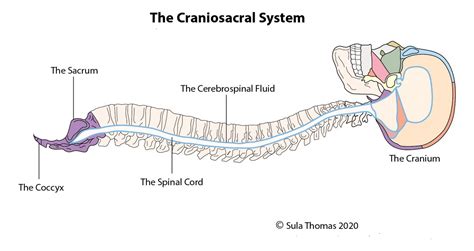
    1. Cranio = “skull” or “head,” and sacral = “sacrum,” which is the part at the bottom of your spine.
    2. Inside your skull, there’s something called the cerebrospinal fluid (CSF).  This is mainly created in the ventricals of your brain.  It’s like a cushion of fluid that surrounds and moves through your brain and spinal cord. This fluid is super important because it helps protect your brain and spinal cord from injury, and it also helps remove waste that your brain doesn’t need.
    3. The fluid moves around your brain and spinal cord in a rhythm, like gentle waves. This rhythm can be felt as it expands and contracts, and that’s where the name “craniosacral” comes from—the fluid moves from your head (cranium) down to your sacrum (at the bottom of your spine), kind of like a wave traveling back and forth.  This can be felt by a trained Craniosacral Therapist.

    So, basically, the craniosacral system is like a big, soft, protective wave that keeps your brain and spine safe. It’s very important for keeping your body healthy and balanced.

    Many people don’t know much about the Craniosacral System yet. However, with the teaching of Dr. John Upledger, of the Upledger Institute, thousands and thousands of students across the world have learned to be skillful and experienced in this gentle yet profound work.  Craniosacral Therapists are fairly easy to find now.  In the last 50 years or so, Craniosacral Therapy has become more popular as people are speaking about the many benefits.  It’s especially wonderful for deep relaxation, stress relief and in releasing tension and pain.

    To find the best Craniosacral Therapist for you, check out the Upledger Page.

    To find out more about Craniosacral Therapy, check out my main page.