614 653-8111 Sharhartnett@aol.com
Upledger: How to Find the Most Qualified Craniosacral Therapist

Upledger: How to Find the Most Qualified Craniosacral Therapist

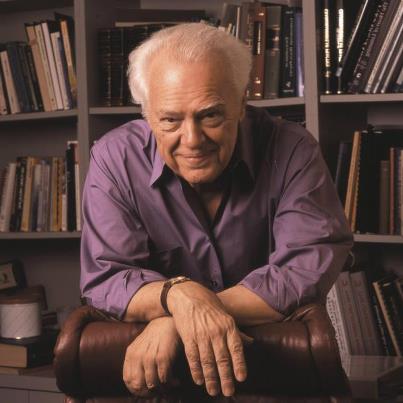
Dr. John Upledger

Upledger Craniosacral Therapy Near Me

Columbus Craniosacral Therapist:  Sharon Hartnett CST Diplomate Certified.

In 2003, I was drawn to an Upledger Craniosacral Therapy (CST) class in Washington DC. The class was huge. The information was vast and based on the anatomy, physiology of the Craniosacral System which I knew next to nothing about except for briefly skimming over the basics.

However, I was drawn to learning CST because while I was already a healer, Structural Integration Therapist,Hakomi practitioner, and massage therapist, I had visited an advanced Upledger Craniosacral Therapist-Suzanne Herberts- whose work I found to be amazingly profound, and transformational.  So off I went to learn to study Dr. John’s work.

The first. class taught me the foundational 10 step protocol and was the first of many classes on a life long journey. I won’t lie, and tell you that it was easy. Not many schools teach the work of Craniosacral Therapy, nor have many people ever heard of it unless they are “in the know”.  There is a lot to learn and you have to enjoy learning the extensive anatomy of the body to become highly effective and specific in the CST work.  Yet when you fall in love and feel passionate about something, you step into it and immerse. At least I do anyway.

Over many years, I have continued to study this work. It is an ongoing exploration. The human body is our sacred vessel in which we live, and there is great wonder in dialoguing with each person, and what lives within. While its foundation is clear, there are many ways to weave in and out of the human body with intuition, expertise and understanding. With an open mind and healthy techniques, we can delve deep into the Inner Wisdom to unlock many healing capabilities.

In any case, when I looked at Craniosacral Schools, I simply decided that the Upledger Institute was the best around.  Dr. John Upledger had a wonderful reputation as being magically skillful, but also made the work available in a way that many people could learn and help others. If anything, I would say the biggest gift he brought to this world was making Craniosacral Therapy ubiquitous.  People across the world and over have studied and used his methodology and teachings to serve others.

About Dr. John Upledger and what makes his teaching stand out.

Dr. John Upledger’s approach to craniosacral therapy (CST) exels because of its unique blend of deep scientific understanding and a profound respect for the body’s natural ability to heal. What truly sets his teaching apart is the emphasis on listening to the body—something that goes beyond technique and into the realm of intuitive healing. Upledger believed that CST wasn’t just about manipulating the body, but rather about creating a nurturing environment for the body to heal itself.

He introduced an innovative perspective with his pioneering research, showing how the craniosacral system, which includes the membranes and cerebrospinal fluid around the brain and spinal cord, plays a crucial role in health and wellness. His work demonstrated that imbalances or restrictions in this system could affect the entire body, influencing both physical and emotional health.

What makes Dr. Upledger’s teachings so special is his deep belief in the therapist’s role as a guide or facilitator in the healing process, rather than someone who “fixes” the patient. He encouraged his students to embrace a gentle, hands-on approach while cultivating sensitivity and an open heart to connect with the body’s rhythms and energy.

In his workshops, he created an atmosphere of trust and openness, helping practitioners develop the skills to tune into the body’s subtle signals. His warm, approachable style made learning this powerful therapy accessible to so many, and his focus on self-awareness and self-care is at the core of his philosophy. For him, CST was more than a therapy—it was a way of being, a way of offering compassion, and a path to healing.

Discover the Healing Touch of Craniosacral Therapy by Dr. John Upledger

Many clients find Craniosacral Therapy to be deeply relaxing and effective in promoting overall well-being. Here’s how it can benefit you:

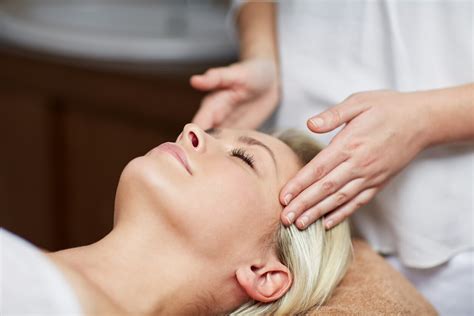
  1. Gentle and Relaxing: Craniosacral Therapy involves light touches on the head, neck, and spine, offering a calming experience that helps reduce stress and anxiety. It’s a peaceful way to feel deeply relaxed, both physically and mentally.

  2. Relieves Tension and Pain: Whether you’ve been dealing with headaches, neck pain, or chronic muscle tension, this therapy targets areas where stress and discomfort accumulate, providing relief without the need for intense manipulation.

  3. Improves Mobility: The therapy enhances the movement of the cerebrospinal fluid, which nourishes your brain and spinal cord. This can lead to improved flexibility and a sense of lightness in your body, helping you feel more mobile and free.

  4. Supports Healing of Injuries: If you’ve had physical trauma or injury, Craniosacral Therapy can support the healing process. It helps improve circulation and reduces inflammation, allowing your body to recover at its own pace.

  5. Balances Your Body and Mind: Beyond physical relief, many people report a sense of emotional balance and clarity after sessions. Craniosacral Therapy gently encourages harmony between your body and mind, supporting your emotional well-being.

  6. Personalized Care: Dr. Upledger’s approach focuses on listening to your body’s unique needs. Each session is tailored to you, creating a safe space where you can experience deep healing.

Obviously, I am a big believer in Dr. John Upledger’s Work.  The school is known for its high level teaching and it’s teaching staff being top notch.  More importantly though, I keep coming back to the love of connection, melding and evolving that comes out of this work.  It changes everything when a person is met, understood, tuned into, and appreciated with skill, touch and presence.  Being the therapist also is deeply rewarding.

For You

If you’re seeking a holistic and nurturing way to address physical discomfort or simply want to restore balance and peace to your life, Craniosacral Therapy could be the supportive therapy you’ve been looking for.

About the Author

Sharon Hartnett CST-D is a Diplomated Certified Upledger Craniosacral Therapist approved through the Upledger Institute. She has worked in Integrative Therapies for close to 30 years.  If you would like to find out more about UI, you can go to:  www.upledger.com

Or you can call Sharon Hartnett for a free 15 minute phone consultation at 614 653-8111

To find out more about Craniosacral Therapist Sharon Hartnett, check out my main page.
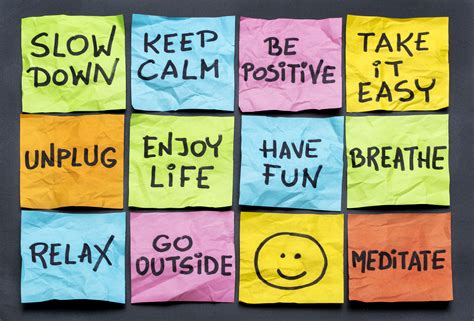

How to Develop a Good Plan for Stress Management

How to Develop a Good Plan for Stress Management

Stress Management

Who needs stress?

Well, stress can be beneficial.  It can help your performance in any part of your life if it is used in a positive way. However, chronic stress is a different matter. Long-term stress can be a major contributor to numerous health problems.

Fortunately, there are some tools that you can learn to help you stay healthy in your mind and body connection. Addressing stress as soon as possible can significantly shift your mindset. An intentional practice of committing to self-care can help avoid or minimize anxiety, depression, cardiovascular diseases and chronic pain.

If you haven’t already come up with a plan for stress managment, here are a few ideas:

  1. Mindfulness, prayer and meditation can help reduce cortisol levels and bring one to center. This is a practice of becoming fully aware in the moment through experience and observation.  Curiousity also helps set the stage for discovering inner peace.
  2. Holistic and Complementary practices like Craniosacral Therapy, Visceral Manipulation, Acupuncture have shown to be very helpful with stress management.
  3. Breathing Exercises can shift you more into a calm state.  One that I recommend is breathing in to a slow count of 4, exhale to 6 and pause. In your practice continue to lengthen the pause at the end of the exhale. Also, practice diaphragmatic breathing, imagining your breath filling the whole ribcage as it expands and contracts. Allow the breath to move all the way to the pelvic floor.
  4. Check with your physician about the Role of Nutrition:  omega 3, magnesium and certaine B vitamins support brain health, and help to regulate emotions.
  5. Sleep.  It’s so important to get enough rest.  When you sleep well your brain is able to clear through the glymphatic system.  This can help you to feel much better restored, and to heal.  A good sleep routine is imperative to good health.

Being in a Healing Practice for close to 30 years, I have seen so many people with chronic stress.I want you to know that it’s possible to step away from that. However, it does mean making a choice to change your life.  Your power comes in the form of doing things that bring you back to your balanced and healthy Self.

If you have any questions, how I can help you as a Craniosacral Therapist, I offer a free 15 phone consultation.

Sharon Hartnett CST-D

614 653-8111

Serving the Columbus Ohio Area

To find out more about Craniosacral Therapy, check out my main page.


    7 Ways That Craniosacral Therapy Has Helped My Clients Feel Better

    7 Ways That Craniosacral Therapy Has Helped My Clients Feel Better

    Feel Better with Craniosacral Therapy

    Craniosacral Therapy Benefits

    Many people report positive experiences with craniosacral therapy (CST), although the reasons for these experiences can vary. The therapy is often described as being deeply relaxing, and some individuals find it helpful for conditions like headaches, chronic pain, stress, anxiety, and even emotional release.  Overall, Craniosacral Therapy is a unique holistic healing journey that holds many benefits.

    Here are some of the most commonly reported positive experiences:

    1. Deep Relaxation and Stress Relief

    • Many people find CST to be deeply calming. The gentle, hands-on approach, combined with the melding of the slow, rhythmic nature of the therapy, helps to activate the body’s relaxation response in the Nervous System.. This can lead to a reduction in stress, muscle tension, and a sense of overall well-being.
    • People often describe feeling more relaxed after a session, with some even reporting feeling “lighter and more spaceious inside” along with being more grounded.

    2.Chronic Pain Relief

    • Some individuals with chronic pain conditions, such as neck pain, migraines, or back pain, have found relief through CST.  The gentle listening and the quiet nudge of support of the Craniosacral System can help alleviate tension in the body and promote the relaxation of muscles and fascia.
    • Patients with headaches, particularly those caused by tension or stress, sometimes report fewer headaches or a reduction in intensity after CST sessions.

    3. Improved Sleep

    • Many people say they experience better sleep after receiving CST, which could be related to the relaxation and stress reduction achieved during the session. Improved sleep quality may help individuals feel more rested and energized in the days following a treatment.  Sleep time is when the brain clears, so it’s important to also create good sleeping habits.

    4. Enhanced Emotional Well-being

    • Some people have reported emotional releases or breakthroughs during Somato-Emotional CST sessions. For instance, some might experience a surge of emotions or have a deeper sense of emotional clarity after a session. This could is related to the deep relaxation and the subtle bodywork when fascial tension leaves and the cranial rhythm comes to a stillpoint, which may help release pent-up tension or emotional blockages.
    • There are anecdotal reports of people feeling more emotionally balanced or having improved mood after CST, especially if they were struggling with stress, anxiety, or emotional trauma.

    5. Better Range in Mobility

    • For those with musculoskeletal issues, CST can help improve mobility and range of motion, particularly in areas where there is stiffness or restriction. People with conditions like temporomandibular joint (TMJ) dysfunction or postural imbalances may notice improved flexibility or reduced stiffness after CST.  Higher level Craniosacral Therapist who are trained in mouthwork can work through an Upledger protocol or listen and follow the tissues and the rhythm to unwind and come into a more neutral balance.  It helps restore structural integrity in the cranium.

    6. General Sense of Feeling Well 

    • Proactive health is best! Even those without specific pain or medical concerns often report feeling an increased sense of well-being after CST. The treatment is described as calming and restorative, which might be why it is commonly sought out by people looking to simply relax or promote general health.

    7. Support for Emotional and/or Physical Healing

    • CST has been reported by some as a helpful adjunct to traditional medical treatments, especially in cases of trauma recovery or long-term health challenges. Individuals with conditions such as fibromyalgia, chronic fatigue, or post-traumatic stress disorder (PTSD) have sometimes found CST to provide a supportive, calming influence in their healing process.

    Why Do People Report These Positive Experiences?

    It’s interesting. In the western medical system, there is not a strong understanding of fascia and the Craniosacral System.  Some people deny it with the idea of the Placebo effect. Afterall, most Craniosacral Therapist are heart centered caring people who pay compassionate attention to their clients.  Maybe this is part of it.  But isn’t this true with  most kinds of medical treatment and and medicines.  It works for some people but not all. Integrative Craniosacral Therapy is an experience. However, it is based on real anatomy and physiology, just like any medical treatment.  It’s just a hands on manual approach, which happens to be profound and far reaching.   It’s very individualized as it supports your unique system to heal.

    The Relaxation Response: The slow, gentle nature of CST can activate the body’s parasympathetic nervous system, which is responsible for the rest-and-digest response. This can lead to a decrease in heart rate, blood pressure, and muscle tension, helping people feel more relaxed and at ease.

    Therapeutic Touch: Human touch, particularly when it’s gentle and non-invasive, can have profound psychological and physiological effects. The experience of being listened to and cared for, in combination with physical touch, might trigger a sense of healing or comfort.  How many times in our past were our real needs met, and how do we change our body response to this type of connection?

    Holistic Approach: CST emphasizes a holistic view of health, considering the interconnections between the body, mind, and emotions. This approach resonates with some people who feel that their health concerns are not only physical but also emotional or energetic. CST’s focus on balancing and restoring the body’s natural rhythms may appeal to those looking for a more integrated, whole-body form of healing.  When we work 1:1 in Craniosacral Therapy, there is a special connection between the therapist and the nervous system of the person on the table.  It’s a process of healing everything in us that is human.  Everyting is indeed interconnected.

    There are a lot of questions in the medical field about Craniosacral Therapy.  In a system that is based on what we can see, and mostly on the physical level, it’s hard for people to imagine that listening to the body and helping it to self-correct is not realistic.  Nonetheless, if you open your mind up, there are so many other possibilies in the Unknown.  Why limit your beliefs about healing?

    On a Realistic Note

    Realistically, Craniosacral Therapy can feel magical.  Deep transformation and healing happens quite often. At the same time, honestly some people don’t “get it”.  It does take a certain ability and awareness to receive and to trust enough to sense the changes that are happening. Even still, as a therapist, we can feel things even if you can. But I want people to realize that while this work is profound, it takes a certain sensitivity to understand and know the benefits.  However- most people feel more deeply relaxed and appreciate at the end of treatment.

    If you have any more questions, I offer a free 15 phone consultation.  I would love to speak and help you find if this is the right treatment for you.

    FAQ Page

    Sharon Hartnett CST-D

    Worthington, Ohio|Serving the Columbus Area

    614 653-8111

    To find out more about Craniosacral Therapy, check out my main page.


    What is the Craniosacral System Anyway?

    What is the Craniosacral System Anyway?

    Craniosacral System

    Tell Me About the Craniosacral System

    Craniosacral System 101

    Alright, Friends! Today, we’re going to learn about something really cool called the Craniosacral System. It sounds a bit complex, but don’t worry—I’ll explain it in a way that makes sense!

    Let’s begin by by speaking about your brain and spinal cord. Imagine that these are the control center of your whole body.  Like a big computer. The Seat of Intellgence.

    Many essential functions begin here.  Communication and information travels and brings alive your day to day functioning throughout  your body.

    The craniosacral system is like a special protective system for your brain and spinal cord.  It’s like a friend who keeps the CNS healthy!

    Here’s how it works:

    1. Cranio = “skull” or “head,” and sacral = “sacrum,” which is the part at the bottom of your spine.
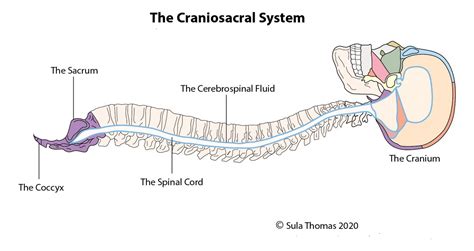
    2. Inside your skull, there’s something called the cerebrospinal fluid (CSF).  This is mainly created in the ventricals of your brain.  It’s like a cushion of fluid that surrounds and moves through your brain and spinal cord. This fluid is super important because it helps protect your brain and spinal cord from injury, and it also helps remove waste that your brain doesn’t need.
    3. The fluid moves around your brain and spinal cord in a rhythm, like gentle waves. This rhythm can be felt as it expands and contracts, and that’s where the name “craniosacral” comes from—the fluid moves from your head (cranium) down to your sacrum (at the bottom of your spine), kind of like a wave traveling back and forth.  This can be felt by a trained Craniosacral Therapist.

    So, basically, the craniosacral system is like a big, soft, protective wave that keeps your brain and spine safe. It’s very important for keeping your body healthy and balanced.

    Many people don’t know much about the Craniosacral System yet. However, with the teaching of Dr. John Upledger, of the Upledger Institute, thousands and thousands of students across the world have learned to be skillful and experienced in this gentle yet profound work.  Craniosacral Therapists are fairly easy to find now.  In the last 50 years or so, Craniosacral Therapy has become more popular as people are speaking about the many benefits.  It’s especially wonderful for deep relaxation, stress relief and in releasing tension and pain.

    To find the best Craniosacral Therapist for you, check out the Upledger Page.

    To find out more about Craniosacral Therapy, check out my main page.


    How to Calm Your Mind

    How to Calm Your Mind

    craniosacral massage

    To Calm the mind is essential for both mental and physical well-being. Fortunately you have come to the right place to discover a dynamic person to person modality that can help you feel more centered and at peace.


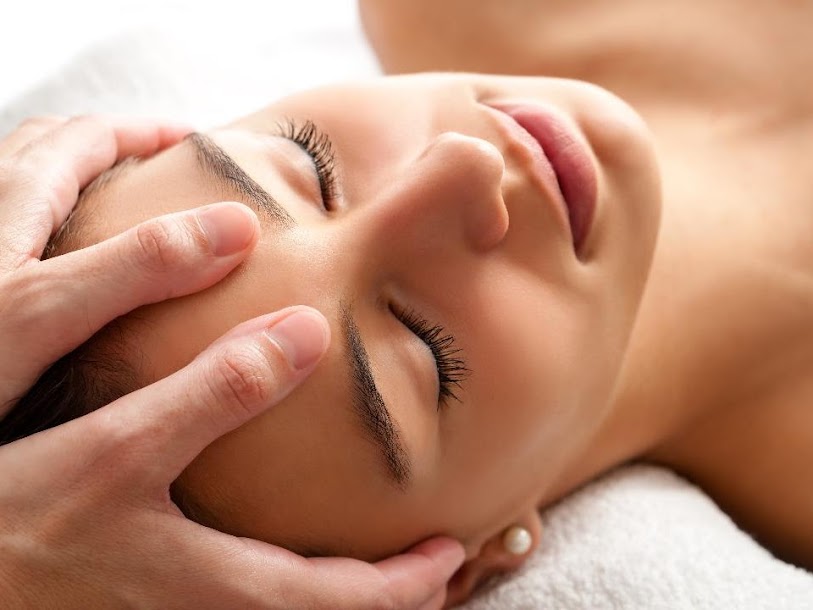
    Craniosacral Therapy (CST)is a gentle hands on modality, which awakens the calm inside, through listening and melding with your Craniosacral System.  By tapping into your own internal intelligence, CST  helps to bring balance and deep relaxation into your life. Finding the stillpoint in your rhythm releases, and helps integrate your stresses- bringing you into a more peaceful state of being.

    How can Craniosacral Therapy Help You to Live from a Calm State?  It:

    1. Reduces Stress and Anxiety

    When the mind is calm, it helps to lower the levels of stress hormones like cortisol. Chronic stress can lead to anxiety, depression, and other mental health issues. By calming your mind, you create space for a sense of peace and relaxation, which can significantly reduce anxiety levels and improve overall emotional health.

    2. Improves Focus and Clarity

    A cluttered mind often leads to scattered thoughts, making it difficult to concentrate or make decisions. To calm the mind helps clear out distractions and promotes mental clarity, enabling you to focus better on tasks, think more effectively, and make decisions with greater ease.

    3. Enhances Emotional Regulation

    When your mind is calm, you’re better equipped to handle difficult emotions. Instead of reacting impulsively or being overwhelmed by emotions like anger or frustration, a calm mind allows you to respond thoughtfully and with control, leading to healthier interactions and relationships.

    4. Boosts Physical Health

    Chronic mental tension can manifest in physical ailments such as headaches, muscle tension, or digestive problems. By calming the mind, you help reduce the impact of stress on your body, which can lead to improved sleep, better immune function, and overall physical health.  You feel more deeply grounded and embodied.

    5. Increases Creativity

    When the mind is relaxed, it becomes more open to creative ideas and inspiration. Mental calmness reduces the mental barriers and judgment that can stifle creativity, allowing new ideas and solutions to emerge naturally. It creates a fertile ground for innovation and problem-solving.

    6. Promotes Mindfulness and Presence

    A peaceful mind fosters mindfulness, which is the practice of being fully present in the moment. This enhances your ability to enjoy life, engage in meaningful experiences, and build stronger connections with others. It helps you savor the simple joys of life and reduces the tendency to dwell on past regrets or future worries.

    7. Supports Mental Resilience

    A relaxed mind is a strong foundation for mental resilience. By practicing mindfulness or calming techniques, you build the mental fortitude to face challenges with a clear perspective. When your mind is calm, you’re more able to adapt to difficult situations, stay grounded, and maintain emotional balance, even in times of adversity.

    In summary, Craniosacral Therapy is such a gentle, yet profound pathway to calming the mind.  The benefits are numerous.  It isn’t just about relaxation—it’s a powerful tool for enhancing your overall well-being, improving relationships, and fostering long-term mental and physical health.

    Sharon Hartnett CST-D

    614 653-8111

    Serving the Columbus Ohio area.

    To find out more about Craniosacral Therapy, check out my main page.