(614) 653-8111 Sharhartnett@aol.com
Remind Me How to Heal From a Concussion

Remind Me How to Heal From a Concussion

Concussion Relief: My Own Story

Today I want to share my own experience with a concussion. About ten years ago I fell badly and landed on the left side of my head and body. An ambulance was called and I was taken to the emergency room.

They checked me out and sent me home. The problem was, I was not okay. The concussion symptoms crept in later. For about a month I lay in bed — unable to watch TV, read, or go out into the light. I felt lightheaded and my mind wasn’t clear. The fog. If you’ve been through it, you know exactly what I mean. There was nothing to do but wait it out.

Eventually I improved enough to fly down to the Upledger Institute for treatment. The therapist was good, but honestly, I felt little difference at first. When the brain gets jostled, it takes time to heal, and often many craniosacral sessions just to find balance again. Each person’s path is unique, and we each have to find the right dose of the right remedies. I won’t tell you there’s a magic pill. It’s a journey. But over the years, craniosacral therapy is what helped me the most.

I found top-notch craniosacral therapists across the country and committed to my health. Slowly but surely the headaches slipped away and I got better. Because I’m an advanced craniosacral therapist myself, I also practiced the techniques on myself almost daily. I’ll be honest: it was a serious trauma, and I’ve never come back to a full 100 percent. But I feel so much better, my life goes on, and no one would guess I’m still on the mend all these years later. Life is good, and I bow deeply in gratitude to Dr. John Upledger’s work.

Because I’ve been through so much with my own concussion and brain injury, I’ve become specialized in helping people with similar issues. Sometimes our deepest wounds make us finely tuned to helping others heal the same patterns.

So many people have never heard of craniosacral therapy, yet it’s what helped me most — that, along with fish oil and a few other supplements. My re-dedication to the Upledger work came directly from the relief I found from my own concussion symptoms. I’ve been a craniosacral therapist since 2003, but after my injury this work became my life’s passion.

If you’re suffering from a concussion or a traumatic brain injury, please know there is a gentle path forward. When I work with you, I’m listening to what Dr. Upledger called your Inner Physician — the deeper intelligence in your body that knows how to heal. My hands offer new information; your system takes it in and does the rest. I’m there as the reminder that wholeness is still possible.

Ready to feel better? I’m Sharon Hartnett, a Diplomate-Certified Craniosacral Therapist (CST-D) through the Upledger Institute, with about 30 years of experience listening to the body and helping it heal. My office is in Worthington, Ohio, and I serve the greater Columbus area.

If you’re curious whether this gentle work is right for you, I offer a free 15-minute phone consultation. Call or text me at (614) 653-8111.

Learn more about craniosacral therapy for post-concussion recovery, read answers to common questions about craniosacral therapy, or find out how to choose the best craniosacral therapist for you.

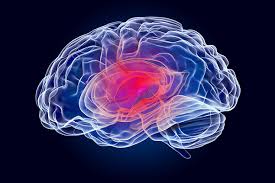
How to Relieve Tension Headaches?

How to Relieve Tension Headaches?

The Steady Ache of Tension Headaches

Find Relief:

  1. Stay Hydrated:  Dehydration can cause tension headaches.
  2. Get Rest:  Headaches can worsen without enough sleep.
  3. Meditate: It focuses and clears your mind.
  4. Scalp Massage helps to loosen the soft tissues on the head.
  5. Ice Your Tension Areas
  6. Cognitive Therapy can help you to Sort things out.
  7. Craniosacral Therapy-deep support for motion in the cranium.  This supports better motion and fluidity in the head.

If you are feeling that tightening pressure around your head, change what you are doing.  Tension headaches are usually patterns.  The good thing is that tension headache patterns can be broken.

As a Craniosacral Therapist, there have been times when I have worked with a person for 5 minutes and a 7 year old headache finally disappeared.  This isn’t always the case, but motion and nourishment can and often shift you right out of pain.  

Quite often, clients who come in once a month after initial sessions end up feeling pain free.  It’s all about the fluids, the softness and giving the head and neck the ability to stay connected to the body.

If you’d like to find out more about how Craniosacral Therapy can work for you, contact:

Sharon Hartnett CST-D

Worthington, Ohio|Serving the Columbus Area

614 653-8111

To find out more about Craniosacral Therapy, check out my main page.


What Is Craniosacral Massage? (And Why It Isn’t Really Massage)

Many people call me asking for craniosacral massage. The first thing I do is listen to why a person wants to come in. People talk about their health issues, and often say they’ve heard about craniosacral massage — yet they don’t really know what it is. It’s important to me to take the time to explain the basics, and then make sure they understand whether this work is a good match for what they’re looking for.

Craniosacral “Massage” Is Not Actually Massage

So let me start by clarifying: craniosacral therapy is not massage. It’s a light-touch manual therapy with a very different focus. It’s based on the craniosacral system — the membranes and fluid that surround and protect the brain and spinal cord — and how that system relates to the nervous system.

In massage, the therapist works the muscles. In craniosacral therapy, I use about five grams of pressure — roughly the weight of a nickel — to listen to the subtle rhythm of the craniosacral system and support the body’s own ability to release restrictions and come back into balance. Nothing is forced. The touch is so light that many people are surprised anything is happening at all, until they notice how different they feel afterward. I explain the mechanics in What Does Craniosacral Therapy Do?

People search for “craniosacral massage,” “cranial massage,” “cranial sacral massage,” and “sacral therapy” — they’re all the same thing, and the proper name is craniosacral therapy. Whatever you call it, you’ve found the right place.

Cranial Facial Release and Craniosacral Fascial Therapy

Two other terms people search for are cranial facial release and craniosacral fascial therapy. Both describe gentle work on the bones of the face and skull and the fascia connecting them — which is a core part of what I do. Through intraoral craniosacral therapy I also work inside the mouth, releasing the jaw, palate, and cranial base for people with TMJ, headaches and migraines, tinnitus, and sinus pressure.

And because I trained and practiced in Structural Integration for years before craniosacral work, myofascial release and craniosacral therapy blend naturally in my sessions. I follow the fascia wherever it’s restricted — neck, diaphragm, pelvis, feet — and let the craniosacral rhythm set the pace. For people with chronic pain, that combination is often what finally works.

Who Craniosacral Therapy Can Help

Just to name a few, it’s great for people dealing with:

Because the touch is so gentle, craniosacral therapy can be used with almost everyone, from babies to seniors. There are a few contraindications — recent skull fracture, acute intracranial bleeding, or aneurysm — which we discuss before any session. You can read more at the Cleveland Clinic or the Upledger Institute.

What a Session Is Like

You stay fully clothed — wear something comfortable and loose — and lie on a padded table. A session normally lasts about 75 minutes. I begin by listening with my hands to the craniosacral rhythm, usually starting at the feet, sacrum, or head, and follow what your body shows me. Sometimes the whole session is quiet. Sometimes, when you’re ready, we talk about what’s coming up. Most people drop into a deep relaxation and leave feeling lighter, clearer, and more connected to their body.

How many sessions? It depends on the person. Many people feel a shift after one session; for a chronic issue, weekly sessions for a period of time tend to produce lasting change. It took months or years to get out of balance, so patience pays off on the way back to center.

How to Choose a Craniosacral Therapist Near You

When you search “cranial sacral therapist near me” or “best craniosacral therapy near me,” the results mix massage therapists, bodyworkers, and certified craniosacral therapists together. There’s a big difference between practitioners and therapists. Practitioners may have taken a class. Therapists who go through the rigorous certification process at the Upledger Institute are much deeper in the work. The touch is light and simple in a way, but there’s a lot of complex anatomy and technique to learn, and years of experience to gain, to become a skilled and helpful therapist. A few questions sort it out quickly:

  • Are you certified by the Upledger Institute, and at which level? Techniques certification (CST-T) shows solid competence. Diplomate certification (CST-D) is the highest level and requires years of advanced coursework, mentorship, case studies, and examination.
  • Is craniosacral therapy a stand-alone session, or part of a massage? You want a full session devoted to it.
  • How long have you practiced it, and what do you specialize in? Look for someone who can speak to your concern — concussion, TMJ, migraines, trauma, chronic pain — not just “relaxation.”

I’m an Upledger Diplomate-certified Craniosacral Therapist (CST-D), the highest level the Institute offers, with about 30 years of hands-on practice. I’ve written more about how to find the best craniosacral therapist for you.

Frequently Asked Questions

Is craniosacral massage the same as craniosacral therapy?
“Craniosacral massage” is what many people call it, but the correct name is craniosacral therapy. It’s a light-touch manual therapy, not a massage, and doesn’t involve kneading or deep pressure on muscles.

Does craniosacral therapy hurt?
No. The pressure is about five grams — extremely light. Most people find it deeply relaxing. Occasionally old tension or emotion surfaces as it releases, but the touch itself never hurts.

How long is a session and what do I wear?
About 75 minutes. You stay fully clothed, so wear something comfortable and loose.

How many sessions will I need?
Many people notice a change after one session. For chronic issues, weekly sessions for a period of time usually bring the deepest and most lasting results. We’ll talk about what makes sense for you.

Where are you located?
My office is at 6797 N High Street, Suite 333, in Worthington, Ohio, serving the greater Columbus area — Dublin, Powell, Westerville, Upper Arlington, Clintonville, Grandview, New Albany, Gahanna, and Delaware. I also offer long-distance energy healing sessions by phone or video.

Find Out If Craniosacral Therapy Is Right for You

I love craniosacral therapy because it can help almost everyone. It’s attentive and gentle, yet profound. It nudges the body into self-healing and deeper awareness.

Ready to feel better? I’m Sharon Hartnett, a Diplomate-Certified Craniosacral Therapist (CST-D) through the Upledger Institute, with about 30 years of experience listening to the body and helping it heal. My office is in Worthington, Ohio, and I serve the greater Columbus area.

If you’re curious whether this gentle work (not craniosacral massage!) is right for you, I offer a free 15-minute phone consultation. Call or text me at (614) 653-8111.

Learn more about craniosacral therapy in Columbus, read answers to common questions about craniosacral therapy, or find out how to choose the best craniosacral therapist for you.

How To Find Relief from Clenching

Clenching: You Deserve to Feel Better!

Is it possible to stop Clenching?

Bruxism is the name of the condition when you grind or are clenching your teeth.  Up to about 30 % of people do this.  Some people are aware that they clench.  And others not.

Clenching often happens when a person is stressed and awake. At other times, the clenching happens while sleeping at night. Eventually it is discovered, because it leads to pain or other issues like sleep disorders, pain in the face, issues with breathing, tinittus, and swallowing issues.

On a personal level,  I began to experience it after some concussions.  My jaw became misaligned.  Hitting ones head can also cause lots of stress when the cranium is knocked around.

I went to the dentist, and she gave me a mouth guard.  It was so uncomfortable I couldn’t wear it. Also, being a Craniosacral Therapist, I knew that it also inhibited the natural movement of the maxilla.  Didn’t work.  I will be honest and say that clenching has caused me a lot of issues.  On the positive note, I can also say that with persistence, one can help to alleviate and sometimes release all the tension contributing to bruxism.  It is possible to stop, but it may take patience to unwind all the causes which contribute to the condition.

Being a Craniosacral Therapist,  I have worked in my own mouth, and that has helped me considerably.  Releasing all the tension around the hyoid muscles is key.  Also working around the TMJ joint.  Above are some pictures to show you the inter-relationship between the the neck and jaw muscles.  The Upledger Institute teaches a whole protocol on mouthwork which is very beneficial.  I enjoy working with people just to see the relief they find with mouth work.

Also facing your stress and anxiety with gentleness, while receiving some help can change your life and heal the body as well.  There are many somatic approaches to addressing the body that are profound and create postive change.  Some examples are Hakomi, SE Work, Upledger SER therapy and such.

Also myofunctional therapists can help with exercises.

Dendending on the stress and structure, it may take time to release and integrate the stressed from clenching.  But there is help available.

Sharon Hartnett CST-D

Worthington, Ohio|Serving the Columbus Area

614 653-8111

To find out more about Craniosacral Therapy, check out my main page.

www.upledger.com

See how a craniosacral therapist in Columbus can help you.


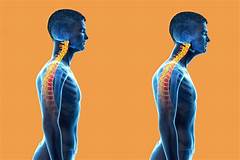
Forward Neck Posture and Fascia: You Don’t Have to Stay Stuck

Young people and older people are getting forward neck posture. All the computers and the cell phones contribute greatly. But also all the sitting Americans do. It’s not good. If I had to do it again, I’d start squatting and learn yoga or pilates early on. I’d make them a life practice. But life being what it is in our culture- our postures are often misaligned as we get older. But there are things we can do to have more freedom of motion.

In my opinion, massage can help. But someone who specializes in fascia is the best bet. The fascia wraps around and through everything in the body superficially to the deep. From macro to micro and reversed. It’s a living tissue that contains and keeps us alive and in motion. When we nourish the fascia and help it remember its ability to be vital, pain can disappear.

I have clients in their 50’s and on up. They can hardly move their necks when they first come in. They are told it is arthritis. Well, they may have arthritis, but it’s the tissues that restrict or allow motion. It’s the fluids dancing with the structure that makes the change. If things can start to soften, spread and move, the bones can be adjusted or perhaps move back on their own. It’s like a wrapping. If it’s tight and stiff- how does life nourish or relinquish what it no longer needs?

Of course there are minerals, vitamins, PT and other things which can help (all part of the HELP team), but the fascia is key. People, whose doctors tell them it’s arthritis often don’t talk about the benefits of fascial work. I think this is a big mistake not including it in health protocols. In addition, learning Feldenkrais, Continuum and other movement exercises that are gentle can be essential and really help too. People don’t have to stay stuck or frozen internally. At any age, we can make choices that will help us. It may not correct the issue 100%, but it can make a huge difference.

Friends, move yourself in different ways. Be proactive with your health. We all have habits that aren’t easy to break, and when this happens- there is always someone out there with skill and experience who is willing to help. It may take time and patience. Take care-no matter which route you take.

Sharon Hartnett CST-D
(614) 653-8111
www.craniosacraltherapistcolumbus.com

Craniosacral Columbus

Craniosacral Columbus

Craniosacral Columbus

During the last 20 years, I have thrown myself into Craniosacral Columbus work.  Why? Because I have seen so many positive results for my clients without having to dig in. I don’t have to create pain for the gentle release of pain to happen.  It’s much easier for my clients.

For many years, I focused on deep connective tissue work. I thought that by leaning my body weight in that I could get great results. Often I did. But that type of work can be quite uncomfortable. So, I decided to go for the more light touch work that worked with the body rather than pushing through,  to see if I could get as impressive results for pain relief and integration.  I do!

When a Craniosacral Therapist listens, your body tells us where there are restrictions throught the rhytym of the functioning of the cerebral spinal fluid, and also the fascia.  This “inner guidance” directs us where to go and how to support the Central Nervous (Brain & Spine Connection) system to function at its best.

The more I practiced Craniosacral Columbus therapy, I began to see my clients go deeper inside, releasing tensions and often stuck emotions. Their bodies relaxed. Their stressed disappeared. Many times, I have had clients falls deep into sleep after not being able to sleep for weeks. The fascia began to melt so easily, excess energy released, and people woke up with no pain, feeling clearer and happier.

This was an easy decision.  If I could help clients… people in pain from car accidents, those dealing with concussions, and neck and back pain, those with high anxiety-  the  picture was clear. I found my way to serve.

If you would like to find out more about Craniosacral Columbus therapy work,  contact Sharon Hartnett CST-D for information.  She is an accomplished Certified Diplomate CST therapist who has reached the highest certification through the Upledger Institute.  She has close to 30  years of experience in bodywork, massage, Hakomi and other healing techniques.

Craniosacral Columbus

Located in Johnstown, right outside of New Albany on a beautiful horse farm.  On Fridays, bringing Craniosacral Therapy at its highest level to Worthington, Ohio!

If you haven’t found stress relief or for your body pains, please call for a free 15 minute consultation at 703 509-1792!  Looking forward to meeting and serving.

Warmly,  Sharon Hartnett CST-D

703 509-1792

www.craniosacralatherapistcolumbus.com

#craniosacral therapy