(614) 653-8111 Sharhartnett@aol.com

What is Something New You Learned about Yourself Lately?

Awakening

Awakening Yourself

To Awaken to yourself is the most powerful thing you can do. Feeling confident about your life, and the choices you make shape everything. Unburdening yourself from limitations is freeing.

Often people who come in for Craniosacral Therapy can feel stressed, a bit lost, anxious, or in pain. Something feels off, and the person may not understand why they feel the way they do. Maybe there are pieces under the level of consciousness- stored in the cellular memory. Working through the mind body connection can be quite powerful.

Craniosacral can help ground you more firmly into your life.

Working with a Craniosacral Therapist can shift everything.  Some of the ways this can happen in a session are:

1.  Presence:  The holding of neutral space creates trust and safety.

2.  Respecting boundaries helps define you and your comfort level.

3.  Craniosacral Therapy taps into the Craniosacral System which nourishes and keeps the Nervous System Healthier and in balance.

4.   Certified Techniques and Skill level can release and help integrate old wounding and trauma. This makes space for potential awakening to knowing oneself more deeply.  it can bring more meaning to life.

5.  An Experienced Craniosacral Therapist supports the Awakening Process by training with open dialogue which is centered on Self-Discovery.  Ask about SomatoEmotional Release Work.

Craniosacral Therapy takes an Osteopathic approach to manual therapy.  It focuses on trusting your body to find the internal discovery and healing processes within.

If you feel you have tried so many things but nothing helps, giving Craniosacral Therapy a change may help shift you into a Light Awakening.  It’s so gentle, yet profound.

One of the best things that you can learn about yourself is Self-Empowerment through curiosity, and sensing into your own body and sense of Self.

What have you learned about yourself and what can help you move forward as you continue to open up?

Sharon Hartnett CST-D

SomatoEmotional Release Therapy Certified through Upledger

614 653-8111

To find out more about Craniosacral Therapy, check out my main page.

Columbus, Ohio Area.


How Does Energy Healing Work?

Energy Healing

What is energy healing, and how does it work? It is a question that invites us to explore the relationship between the body, mind, emotions, and our experience of ourselves.

In my practice, energy healing begins with presence, listening, and an openness to what may unfold. Rather than trying to force a particular outcome, I create space for people to slow down, become more aware of themselves, and explore a deeper sense of connection and well-being.

My work is informed by my training in Barbara Brennan Healing Science and my experience as a hands-on practitioner. Each session is an opportunity to meet the individual with care, respect, and an appreciation for their unique experience.

What Is Energy Healing?

Energy healing is an umbrella term for practices that work with concepts of subtle energy and the relationship between a person’s physical, emotional, and spiritual experience.

Different traditions understand energy in different ways. Some describe an energy field surrounding and interpenetrating the body; others emphasize the relationship between awareness, intention, and the experience of well-being.

In my practice, energy work is an opportunity to become more present, explore subtle sensations, and develop a greater awareness of oneself. People may experience relaxation, emotional reflection, a sense of connection, or simply a quiet space away from the demands of everyday life.

Experiences vary from person to person, and energy healing should not be understood as a substitute for medical care.

How Does an Energy Healing Session Work?

An energy healing session begins by creating a comfortable, supportive environment. We take time to discuss what brings you to the session and what you hope to explore.

During the session, I work with attentive presence and the principles of my training. Depending on the approach, this may involve hands-on or hands-near-body techniques, quiet observation, and an awareness of subtle sensations.

I do not expect you to feel something specific or to make anything happen. You are invited to rest, notice your experience, and remain comfortable throughout the process.

Some people describe warmth, tingling, a sense of spaciousness, or deep relaxation. Others have no distinctive physical sensations. There is no single correct experience, and the absence of noticeable sensations does not mean you have done anything wrong.

The purpose is to provide a supportive setting for self-awareness, reflection, and personal well-being. Sessions are available in my Worthington office or by phone or online from anywhere.

The Importance of Listening and Presence

One of the most important aspects of energy work is learning to listen without imposing expectations.

In my practice, I value stillness, sensitivity, and the ability to meet each person where they are. Rather than assuming that everyone needs the same thing, I allow the session to develop according to the individual’s comfort, intentions, and responses.

For me, this quality of listening is central to the work. It encourages a more attentive relationship with ourselves and gives us time to notice experiences that can easily be overlooked in the busyness of everyday life.

What Can People Experience Through Energy Work?

People explore energy healing for many different reasons. Some are looking for a restorative experience during a stressful period. Others are interested in personal growth, spiritual exploration, or developing a stronger connection with themselves.

People may describe feeling calmer, more reflective, emotionally aware, or more connected after a session. These are individual experiences rather than guaranteed outcomes.

Energy healing is best approached with curiosity and realistic expectations. It may complement other wellness practices, but claims that it cures illness or reliably changes the body’s physical energy systems are not established by strong scientific evidence.

Energy Healing and Personal Growth

For many people, energy work is not simply about what happens during a session. It can also be an invitation to pay attention to how they live, how they respond to stress, and how they relate to themselves and others.

A session may provide time to pause, reflect, and reconnect with personal priorities. For those who approach energy work from a spiritual perspective, it may also be a meaningful part of an ongoing journey of self-discovery. I have written more about that side of this work in the spiritual way of healing.

My intention is to support that exploration with care and respect, without dictating what someone should feel or believe.

Exploring Energy Healing Further

If you are curious about energy healing, it can help to learn about the different approaches, understand what a session involves, and consider what feels right for you.

My work draws on my training in Barbara Brennan Healing Science and my experience supporting people through gentle, attentive practices. I welcome questions and believe that an informed, comfortable choice is an important part of beginning any new wellness practice.

To learn more about my approach, the sessions I offer, and whether this work may be appropriate for you, visit my energy healing page for Columbus, Ohio.

Related reading

Sharon Hartnett
Worthington, Ohio, serving the Columbus area

(614) 653-8111

An invitation to slow down, listen, and explore a deeper connection with yourself.

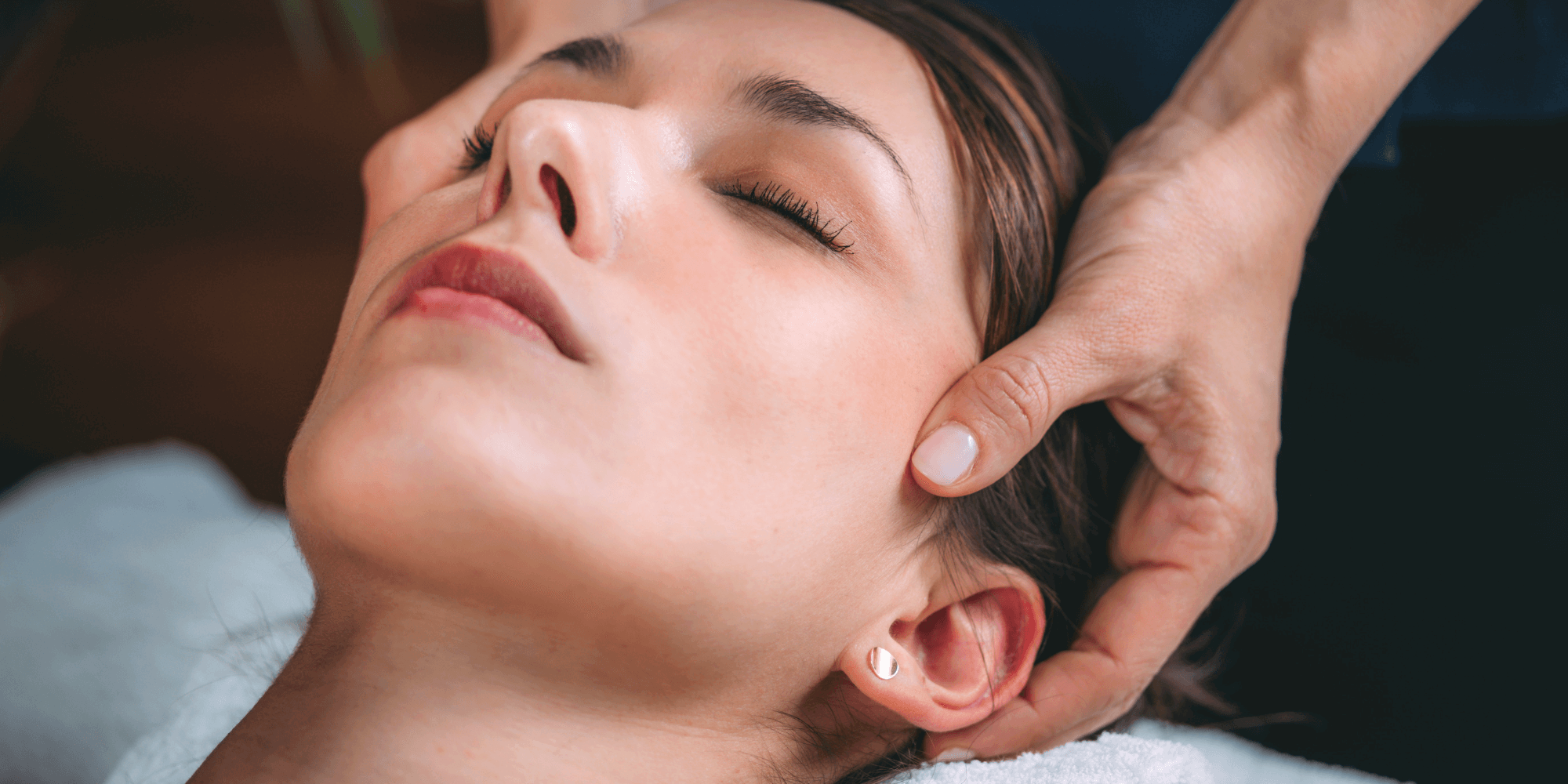
Is A Head Massage Different Than Craniosacral Therapy?

Craniosacral Therapist Columbus

Head Massage Feels Great!

Imagine warm hands offering head massage after a stressful day. It feels wonderful creating better circulation and helping the soft tissues relax.

Even better though, when your head hurts, or you are suffering post concussion symptoms, Craniosacral Therapy is the better bet. In a Craniosacral Therapy session, you are going to have a Craniosacral Therapist listen to all the internal motions and work with the restrictions going on in your head, as well as your body at a much deeper level.

That’s right, an experienced Certified Craniosacral Therapist can listen and follow the patterns throughout the whole system by placing our hands in one place and listening intently. The amazing thing is the body shows us through the Craniosacral System where there is dysfunction and how to help achieve integration.

This is primarily done by noticing and working with the sutures and allowing our hands to follow the patterns and rhythm into releasing from superficially to the deeper issues.  This can be exceptionally helpful for people with migraines, headaches, and who have hit their head.

The gentle biomechanical light pressure we use, gives small nudges to create deeper flow throughout the brain. It’s almost like an unwinding of disconnected communication patterns inside the head.  Allowing more space and dialogue. Beyond this, it affects the whole body and nervous system through all the interconnections.  When the brain is feeling healthy, the body does as well.

Head Massage can feel great.  Especially if someone focuses on their massage this way and becomes an expert.  Comparatively, a Certified Craniosacral Therapy learns about the cranium, the mouthwork, the different parts of the brain and nervous system and more.  Helping to create better motion in the brain, and throughout the whole body by working with the craniosacral system can alleveiate so many challenging symptoms.  Truly, it helps the whole body to heal itself.

Certified through the Upledger Institute

FAQ Page

Sharon Hartnett CST-D

Worthington, Ohio|Serving the Columbus Area

614 653-8111

To find out more about Craniosacral Therapy, check out my main page.


How to Move out of Trauma Toward Health

You are Not Your Trauma

How Craniosacral Therapy can Help You Release Your Trauma to Find Inner Peace…


Craniosacral Therapy (CST) can be particularly helpful for individuals who have experienced trauma, whether it is physical, emotional, or psychological. CST is a gentle, hands-on therapy that works with the body’s craniosacral system—comprising the brain, spinal cord, and the surrounding cerebrospinal fluid. The idea behind CST is that by applying subtle pressure, perhaps a nudge, to the craniosacral system, the therapist can help release tension, balance the flow of cerebrospinal fluid, and encourage the body’s own natural healing processes.

Here’s how CST may assist in trauma recovery:

1. Release of Stored Trauma

Trauma can manifest not only in the mind but also in the body. The body has a natural way of storing emotional and physical stress, and often, unresolved trauma can become “trapped” in tissues, fascia, and muscles. CST encourages the release of these stored tensions. The gentle listening and touch help to bring awareness to areas where trauma might be held, allowing the body to release these patterns in a safe and non-invasive way.

2. Regulation of the Nervous System

Trauma often leads to dysregulation of the autonomic nervous system (ANS), resulting in a state of hyperarousal (fight or flight) or hypoarousal (freeze or dissociation). CST can help regulate the nervous system by activating the parasympathetic nervous system (rest and digest), promoting a sense of calm and safety. This is crucial in trauma recovery, as it helps to shift the body out of a chronic stress response and back into a more balanced state.

3. Reducing Muscle Tension and Physical Pain

Many trauma survivors experience chronic pain or muscle tension as a result of the body’s protective response to trauma. CST can help release deep muscle tension and reduce physical discomfort. For people who have had physical trauma (such as accidents, injuries, or surgery), CST can also promote healing and alleviate pain associated with these injuries by improving circulation and reducing inflammation.

4. Improved Somatic Awareness

Trauma often leads to disconnection from one’s body, as individuals may dissociate or shut down in response to overwhelming experiences. CST encourages a reconnection with the body by increasing somatic awareness (the awareness of physical sensations). This process can be empowering, as it allows individuals to gently explore and process their experiences, fostering a sense of safety in their own bodies.

5. Promoting Emotional Healing

Trauma is not only stored in the body but also in the emotions. The gentle touch of CST may help to release emotional blockages that are tied to traumatic experiences. As the body relaxes and tension is released, clients often report emotional shifts, such as feelings of relief, lightness, or even the ability to access and express previously repressed emotions.

6. Trauma-Informed Approach

CST practitioners are trained to create a safe, supportive environment for trauma survivors. The non-invasive nature of CST and the respect for the client’s pace can make it an ideal therapy for those who may feel overwhelmed or unsafe with more traditional forms of bodywork or therapy. Practitioners are trained to be sensitive to the subtle cues of the body and ensure that any work done is within the client’s comfort zone.

7. Healing from Early Childhood Trauma

Craniosacral Therapy is also effective for individuals who have experienced early childhood trauma, including birth trauma. The craniosacral system plays a critical role in the early stages of development, and CST can help address any disruptions that may have occurred during birth or early childhood. This is particularly important as early trauma can affect neurological development and attachment patterns, and CST can support the healing of these early wounds.

8. Support for Dissociation

Dissociation is a common response to trauma, where an individual feels disconnected from themselves or their surroundings. CST can help with reintegration by gently guiding the body back into a state of balance and grounding. The physical touch can help bring attention back to the present moment and provide a sense of containment and stability.

9. Facilitates Deep Relaxation

CST induces a deeply relaxing state, which can be very beneficial for trauma survivors who experience hypervigilance or constant anxiety. By promoting relaxation and reducing the intensity of the body’s stress response, CST can help break the cycle of chronic stress that trauma survivors often experience.

10. Support for Complex PTSD

For individuals dealing with complex PTSD (C-PTSD), which may arise from prolonged or repeated trauma, CST can provide ongoing support. The gentle nature of CST allows individuals to slowly process trauma at their own pace, without the need for verbal confrontation of traumatic memories, which can sometimes be overwhelming.

Conclusion

Craniosacral Therapy provides a holistic, body-based approach that helps trauma survivors address the physical and emotional aspects of their healing journey. By promoting relaxation, releasing tension, balancing the nervous system, and encouraging somatic awareness, CST can be a powerful tool in trauma recovery, especially when combined with other therapeutic modalities like talk therapy or somatic therapies. It offers a gentle, non-invasive option for individuals looking to heal from the effects of trauma and reclaim a sense of safety and well-being in their bodies.

As always, it’s important for individuals to consult with trained professionals, as each person’s experience with trauma and healing is unique.

For more information about how Craniosacral Therapy can work for you,

Sharon Hartnett Craniosacral Therapist Columbus

614 653-8111

Serving the Columbus, Ohio Area

For information, go to my main page. 


Nourish with Kindness And Big Rewards Will Come

Kindness

Kindness

It’s amazing what an act of kindness can do. It can spread like a skipping stone out into the wild. It can whisper loud enough to wake up a soul from the darkness.  Kindness is an act of love that warms the heart.

Being imperfect in so many ways, we humans lack the gift of kindness at times. As we grow up, we miss certain pieces that can dim our light. The generational wound touches so many places for each of us.  Until we heal.

With growth, hopefully we can attract people and new situations which can fill the gap, and remind us that we are indeed whole, and not the “lacking”.   At times, we may need additional help.

Kindness can be reflected through positive relationships.  One of those can be with a Craniosacral Therapist trained to hold space for you Inner Wisdom to blossom.  All the errors and faults that are believed can dissolve when one begins to discover the Essential Self.  Gentle touch and listening with kindness creates melding, but also a neutral witness to reawaken your inner light.

We all deserve to treat each other and to receive from each other love and kindness.  When you find this, you will glow.

Light and Love

Sharon Hartnett CST-D

(614) 653-8111

www.craniosacraltherapistcolumbus.com


How to Learn from Your Mistakes

Learn through Self-Awareness

Learn from Your Mistakes. We all do our best. We all try. All the tools we have been  given until any present moment is what we know, and what we have accepted.  No more.  No less.

The way to move and grow through change and to find joy is by:

1.  Being mindful of your choices.  This means actively observing yourself and your relationships. When the consequences limit you more than benfit, question.

2.  Look for the best in any given moment.  The choices we make are based on our past resources quite often. Still, inside every moment is a gem somewhere. Look for the light. It will reveal itself.  This does take an open mind perspective.  Nothing leads you into more peace and clarity than connection to your True Self internally.  That diamond is you.

3.  Many people are programmed to feel bad about their choices when they step out of a box. Yet, this choice is a growth opportunity. To move beyond what once felt safe and comfortable takes tremendous courage. Trusting the more open point of view and moving from there is powerful and life changing in the most beneficial way.  There will probably be some rough bumps.  Most probably.  However,  rising after you fall down develops resilience and a sense of real power.

4.  Go to your heart, and forgive others.  Not for who they are or what they did.  Truly for you. So you don’t have to carry that burden of anxiety or hate.  Free yourself from the weight of other’s problems.

5.  Pay attention to patterns.  If your relationships continue to withold love, punish or try to control you, step away.  Become more objective and find the new path. Love is important is the way which we try and fill our needs.  But a more authentic love also includes kindness, fulfillment, and acceptance.

We all deserve to find love, peace and joy.  However, we need to realize we deserve it all.  We need to learn from the past, to make a better future.

Sharon Hartnett Craniosacral Therapist Columbus

614 653-8111

Serving the Columbus, Ohio Area 

To find out more about Craniosacral Therapy, check out my main page.