(614) 653-8111 Sharhartnett@aol.com

How to Change Your Posture with Somato Emotional Release
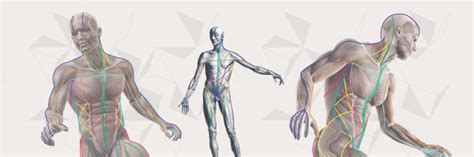
Posture Somato Emotional Release

Organizing Optimal Posture

Structural Integration, with an emphasis on posture, is based on the principle that the body is organized and held together in a coordinated, balanced manner. Any distortions in that order and/or balance can lead to physical and emotional discomfort. Fascia, the connective tissue that surrounds muscles, bones, and organs, plays a crucial role in this organization. When fascia becomes tight, scarred, or restricted due to poor posture, emotional stress, or injury, it can cause the body to lose its ability to move freely and efficiently.

Creating a healthier and more fluid Posture can be better facilitated by recognising the emotional aspect of Structure. At the core of Somato Emotional Release hands-on manual work, we consider holding the intention of using of physical touch to help a person to heal emotionally as well as physically. For many of us who have worked with clients for years, we recognize that the body stores emotional memories. The body often reflects our history and our choices. However, this can change with gentle and nourishing skillful touch.

Fortunately, some people are proactive and come in for help with their posture ahead of the game. These cases are often easier in terms of release and integration. Often though, discomfort or pain may be the leading reason someone seeks out help. Obviously, it’s always best to stay in front of the curve when possible. It’s the whole idea of treating simplity over complexity.

The Best situation for a client is when the therapist is Certified through their schooling. It ensures that they reach the top level of understanding of the anatomy, skills particular to a certain manual therapy, but also that they have learned how to support the emotional process. Because quite often people do have emotional releases when their posture is changing on a fascial level.

Emotions for some people can be a very vulnerable thing to express. Perhaps in their childhood or current relationships, there is judgment or lack of understanding. So it’s very helpful to find someone with specific training in dialoguing. Bodyworkers are not counselors, but they can and certainly do help their clients process, and find their own healing responses when trained.

Some things to look for in a Somato Emotional Release Therapist are:

  • A trusting and Safe Space
  • Neutrality
  • Certification ie. Upledger
  • Body Centered Emotional Training
  • An Understanding of Posture
  • An Ability to Listen and Work with Fascia
  • The Ability to Meld with the Tissues
  • Experience

If you are seeking out a Somato Emotional Release therapist to help free up and balance your posture, first call for an interview. It’s important to feel a bond of trust first and foremost. Then,as this type of manual therapy can help treat misalignment of the posture as well as letting go of stress and emotional baggage, ask questions upfront so that you can feel comfortable with your choice.

Processing unresolved emotional trauma can truly change how you feel in your body!

Sharon Hartnett CST-D

614 653-8111

To find out more, read about craniosacral therapy in Columbus, Ohio.

How to Open to the Possibilities

Opening through curiosity

Possibilities Are Always Present.

Call in the Possibilities!

Remember a time that you felt stuck?  Perhaps right now it feels like some doors are shut  No options available?  No matter how much you try, you’re still in the same place.

When we look outside of ourselves for answers, the ultimate resolution never starts there. Rather, change is an inside job to self-realize possibilities in any given situation. The sooner we realize that we have no control over other people or events, the freerer we become internally. We learn that the power of possibilities can be born from within us.  It’s a mindset. Something that calls for us to practice so that we see new opportunities outside as well. We can be the intentional change we want to be.

True freedom to discover  comes from understanding that possibilities live in the Unknown. It can take courage to explore possibilities over the “norm”  It does take a quiet mind and a mindful intention to stay in curiositiy with the “Self”, and with our other relationships. When we question with an open mind, it gives us space for the mystery to unfold.  It allows time for the chess pieces to move, and new magical experiences to arise.  It’s in these gaps of silence and curiosity, that insights come from a place which hold eternal wisdom.

These days, so much of the time we invest in “knowing”.  I’d suggesty an alternative. Try instead to rest in the play of “not knowing” if you want to shift or transform into your most “Whole” feeling Self. Allow the mystery to fulfill you.

Life is about receiving meaning and understanding.  In order to allow the possibilties to move through us, it’s a choice to invite and partipate in all that we DON’T Know.

Being a Craniosacral Therapist, all my sessions move in this way. Magic happens. I live in the mystery of the Deeper Essential Wisdom that is always here, waiting to express its voice.  It helps my clients to free themselves when they remember and awaken to this Deeper Truth. Because I get to observe this experience, it reminds me every day of the possibilities that are always swimming around for me, for you, and for anyone if we are willing to leave the familiar and explore.

The Possibilities of Change. You may feel stuck at times, but you are not.  New possibilties are always less than a breath away.

Sharon Hartnett CST-D

Certified Craniosacral Therapist through the Upledger Institute

614 653-8111

Serving the Columbus, Ohio Area.

To find out more about Craniosacral Therapy, check out my main page.


What is Something New You Learned about Yourself Lately?

Awakening

Awakening Yourself

To Awaken to yourself is the most powerful thing you can do. Feeling confident about your life, and the choices you make shape everything. Unburdening yourself from limitations is freeing.

Often people who come in for Craniosacral Therapy can feel stressed, a bit lost, anxious, or in pain. Something feels off, and the person may not understand why they feel the way they do. Maybe there are pieces under the level of consciousness- stored in the cellular memory. Working through the mind body connection can be quite powerful.

Craniosacral can help ground you more firmly into your life.

Working with a Craniosacral Therapist can shift everything.  Some of the ways this can happen in a session are:

1.  Presence:  The holding of neutral space creates trust and safety.

2.  Respecting boundaries helps define you and your comfort level.

3.  Craniosacral Therapy taps into the Craniosacral System which nourishes and keeps the Nervous System Healthier and in balance.

4.   Certified Techniques and Skill level can release and help integrate old wounding and trauma. This makes space for potential awakening to knowing oneself more deeply.  it can bring more meaning to life.

5.  An Experienced Craniosacral Therapist supports the Awakening Process by training with open dialogue which is centered on Self-Discovery.  Ask about SomatoEmotional Release Work.

Craniosacral Therapy takes an Osteopathic approach to manual therapy.  It focuses on trusting your body to find the internal discovery and healing processes within.

If you feel you have tried so many things but nothing helps, giving Craniosacral Therapy a change may help shift you into a Light Awakening.  It’s so gentle, yet profound.

One of the best things that you can learn about yourself is Self-Empowerment through curiosity, and sensing into your own body and sense of Self.

What have you learned about yourself and what can help you move forward as you continue to open up?

Sharon Hartnett CST-D

SomatoEmotional Release Therapy Certified through Upledger

614 653-8111

To find out more about Craniosacral Therapy, check out my main page.

Columbus, Ohio Area.


How To Grow In An Overwhelming World

Sensitive Person

How to Grow as a Sensitive Person

Blossom and Grow. Recently, I picked up the book, “The Highly Sensitive Person and have been recommending it to quite a few of my clients. One niche that I seem to be able to support well are people who benefit from Craniosacral Therapy and Energy Work because the nervous systems of sensitive people often have been overwhelmed.

In this book, we find meaning, and an opportunity to grow,  in what it is like to be” highly sensitive“.  A term that not many people recognize.  On top of this aboug 80% of people are not sensitive, and they don’t understand the other 20%.  Can you imagine what it’s like to not have a description or understanding for how you sense the world, while most people are different?  I found reading this book to be  a relief since I include myself in this category. I felt noticed and acknowledged by the writer.  The book is such an in depth mirror.  I also felt more of a comfort level knowing that there are many more people walking around like me. Even if we are a minority.

One thing about highly sensitive people is that we notice the subtle and so many details.  I know for me, when I walk into a room, I can feel the mood.  I cue into expressions and movement, and so much information enters into my system.  Often because of this, we need to rest and take time for ourselves to integrate.  Craniosacral Therapy can respond to this need through its gentle listeing, touch and melding.

As Craniosacral Therapist, we listen to the Cerebrospinal fluid motion and we palpate and listen to the nervous system. By connecting with that with which we blend, we can bring in a calm and balance.  When this happens the deep creativity from within can emerge and grow.  It can be brought out into the world in a very positive way.

One of the challenges which highly sensitve people encounter is that when they feel overwhelmed, they tend to react.  Some people may view this as over-reacting.  This especially occurs if they grew up in a rough environment.  They tend to feel misunderstood.  However there are some wonderful advantages as well.  Lots of good exercises in this book.

The book recommends:

1. Self-Knowledge

2. Reframing

3. Healing

It also offers activities to help process intense feelings.  In addition Craniosacral Therapy can help a person through self- discovery work and self-regulation.  The book- I think that it is fantastic and opens the eyes to those who want to connect.


Sharon Hartnett CST-D

614 653-8111

To find out more about Craniosacral Therapy, check out my main page.


How to Create a Healthy Space for Noise Overwhelm

Are You Feeling the Overwhelm of Loud Noises in Social Situations?

Have you heard of the term “neurodivergent”? For people who feel as if they think and feel differently, I think it’s a good topic to explore for self-understanding. The differences of neurodivergent experiences land anywhere from ADHD, to sensory sensitivities, to autism and other mental health conditions. However, the topic I want to speak about today primarily is the overwhelm of loud noises for some people with neurodivergent thinking. I think it’s important to find a way to acclimate and still join into social interactions. Overwhelm can take us away from people and activities we enjoy. So how do we deal with loud noise when we are sensitive to it?

Each of us is unique in how our brain works. How we learn, how we process, and how we function doesn’t have to fit into a “typical” model. In the past, and even still now, when a person is different, it can be looked down upon or seen as problematic. But more often nowadays, there is a fresher acceptance and understanding of people who think out of the box with the concept of neurodiversity. More and more, we want to include, embrace and find the strengths inside each individual. The healthier outlook is to celebrate our differences.

In particular, for neurodivergent people who feel awkward in social situations, they may need a little bit of help to know that their differences and vulnerabilities can also be understood as strengths. Researching this topic can bring relief in knowing that there is a new openness to consideration for diversity. I know, for myself, it took a long time as an adult to feel comfortable when there were a lot of people talking at once in a room. For example, I couldn’t think and the inside of my ears would actually start to hurt when I was in a loud crowded restaurant until I left and went outside. I felt like my ADHD has been healed for the most part, or maybe a better word would be integrated. Yet my brain disagreed. It still does when I am in a noisy area with many people speaking all at once. There have been times when I had felt anxious because I felt like I was the only one experiencing this. Now, understanding that how my brain operates is different yet normal has made me feel more comfortable in uncomfortable situations. So in my later years, I have learned to support myself, and others, in coping with loud noise. Especially people with ADHD, since I know what it is like to be challenged this way and to move through to the other side.

Some of the things that I have found to be helpful with noise overwhelm are:

1. Wearing noise reduction/cancelling headphones in loud spaces. I can still hear what is going on in my environment, but the noise is subdued.

2. Meditation: One helpful meditation in specific is ringing a bell and following the sound with mindful focus. It helps the mind to release tension when other noises come into the space.

3. Craniosacral Therapy has helped my nervous system to feel more balanced and at ease. Especially when I can express my feelings in a safe environment from a mind-body perspective. This can also help a person to feel more grounded and embodied. This helps my clients as well!

4. Developing the Witness. This is spending time stepping away from yourself with a neutral intention. Stay curious in your experience. Not being judgmental.

5. Realizing that the noise and overwhelm is temporary. In most instances, one can leave and move into a quieter place.

6. Don’t avoid sound, because this can increase fear and stress. For example, with tinnitus, begin to understand that the sound is unimportant so that you don’t put your constant energy into negative thinking about the buzzing sounds. This isn’t normally an easy fix, but tinnitus can come and go for many people. Empowering the mind can support adaptability and relief.

7. Check in with an audiologist. Sometimes they can help, and sometimes not. But some centers do have helpful tools.

Having your brain operate differently doesn’t make a person bad or unhealthy. Being sensitive is just a different expression of being human. Seek courageous ways to face your challenges, but also find the right balance of self-care. Overwhelm does not have to be your life. Know that you are not alone, and that our differences are what make us interesting.

Sharon Hartnett CST-D
(614) 653-8111

To find out more about Craniosacral Therapy, check out my main page.

Flourishing in an Imperfect World: Craniosacral therapy

Flourishing

Flourishing In This World

Flourishing is what I want for my clients. Not just feeling OK. But living a quality life with all its ups and downs. Nothing in life is Perfect, but we can learn to navigate and pass through life with joy and connection.

While “flourishing” is my hope, and this is my intention with each and every person who comes to my office- I also have to let go of any outcome with my clients. This frees up the session. When a person comes to see me, wanting to feel better, I have to put my ego to the side and trust what their Inner Physician speaks. The blending is a surrender to what is. Accessing the best resources to help a person releive stresses, pain and suffering.

What is the Inner Physician? It’s a cornerstone belief in Dr. John Upledger’s teaching where we learn to trust and support the deepest inner wisdom of our clients. In order to enhance wellbeing, we learn techniques to help a person process and self-discover their best sense of centeredness and Self. This is done by being in a neutral place, and also by facilitating the inner process of the client. At the same time,the Craniosacral Therapist also monitors herself and the relationship with the same care during dialogue.

This is very different than other types of bodywork where there is a “fix it” attitude.With Craniosacral Therapy, we know that we can’t fix anything really. What we can do is support the client’s wish to heal and to grow, while offering gentle nudges and support. You would be amazed at how much change can happen with the gentlest touch with intention with the help of the Inner Wisdom. By melding we are quite often quiet, listening,holding space and in contact. It’s a matter of connecting and faith of the Craniosacral System to show us the best direction within the body.

Flourishing to me, is to learn to live in this world of light and darkeness,and everything in between. To thrive through acceptance, inclusion, and compassion. I feel that we know that we are flourishing when we feel alive,aligned and in appreciation in the whole. Oftent to flourish, means knowing our place in the inter-connection of life. Craniosacral Therapy is one of the modalities that can awaken us to remember this.

Sharon Hartnett CST-D

Worthington, Ohio|Serving the Columbus Area

614 653-8111

To find out more about Craniosacral Therapy, check out my main page.